
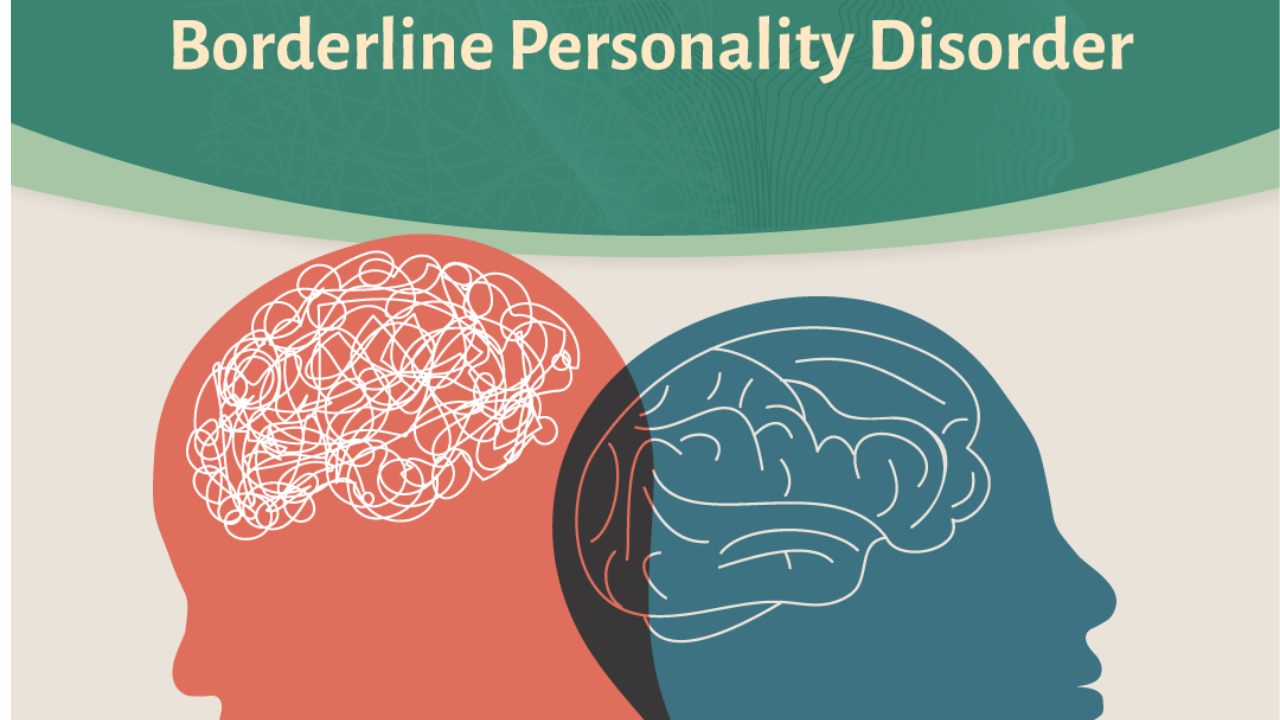
Health & Fitness Borderline Personality Disorder Explained: Causes, Diagnosis, and Treatment Options

Borderline Personality Disorder Explained: Causes, Diagnosis, and Treatment Options

Borderline Personality Disorder (BPD) is a complex and often misunderstood mental health condition. Characterized by intense emotional instability, impulsive behavior, and difficulties in maintaining stable relationships, BPD affects approximately 1.6% of the general population, with higher prevalence among women. Despite its prevalence, the disorder is frequently stigmatized, leading to misconceptions and barriers in seeking effective treatment. Understanding BPD involves exploring its causes, identifying symptoms, navigating diagnosis, and learning about the treatment options available to manage the disorder.

Understanding Borderline Personality Disorder

Borderline Personality Disorder is classified as a cluster B personality disorder in the Diagnostic and Statistical Manual of Mental Disorders, Fifth Edition (DSM-5). Cluster B disorders are marked by dramatic, emotional, or erratic behaviors. Individuals with BPD often struggle with emotional regulation, experience intense episodes of anger, anxiety, or depression, and may have a distorted self-image. Relationships are often turbulent, with alternating periods of idealization and devaluation of others. The fear of abandonment is pervasive and may drive extreme efforts to avoid real or imagined rejection.

BPD is not merely “emotional overreaction” or a failure of character. It is a serious mental health condition rooted in a combination of genetic, neurobiological, and environmental factors. Left untreated, BPD can significantly impair daily functioning, but with proper intervention, individuals can achieve stability and lead fulfilling lives.

Causes of Borderline Personality Disorder

The exact cause of BPD remains complex and multifactorial. Current research points to the interaction of genetic predisposition, neurobiological differences, and environmental stressors.

1. Genetic Factors

Family and twin studies suggest a strong hereditary component to BPD. Individuals with a first-degree relative diagnosed with BPD are at higher risk of developing the disorder themselves. While no single gene has been identified as responsible, studies indicate that variations in genes affecting the regulation of serotonin—a neurotransmitter linked to mood and impulse control—may contribute to the disorder.

2. Neurobiological Factors

Brain imaging studies have revealed structural and functional differences in individuals with BPD. Areas involved in emotional regulation, such as the amygdala and prefrontal cortex, often show altered activity. The amygdala, responsible for processing emotional stimuli, may be hyperactive, leading to heightened emotional responses. Meanwhile, underactivity in the prefrontal cortex can impair impulse control and decision-making, contributing to the intense mood swings and impulsive behaviors characteristic of BPD.

3. Environmental and Psychosocial Factors

Environmental influences, particularly in early childhood, play a critical role in the development of BPD. Experiences such as childhood trauma, physical or sexual abuse, neglect, or exposure to unstable family dynamics can predispose an individual to developing BPD. Inconsistent or invalidating caregiving, where a child’s emotional experiences are dismissed or punished, may disrupt the development of healthy emotional regulation and self-concept, increasing vulnerability to BPD in adolescence or adulthood.

Symptoms and Diagnosis

BPD manifests through a wide range of symptoms that often overlap with other mental health disorders, which can make diagnosis challenging. According to the DSM-5, a diagnosis of BPD is made when an individual exhibits at least five of the following nine criteria:

  1. Fear of Abandonment: Extreme efforts to avoid real or imagined separation or rejection.
  2. Unstable Relationships: Patterns of intense and unstable relationships, often swinging between idealization and devaluation.
  3. Identity Disturbance: Markedly unstable self-image or sense of self.
  4. Impulsivity: Risky behaviors such as substance abuse, reckless driving, or binge eating.
  5. Self-Harming Behavior: Recurrent suicidal gestures, threats, or self-injury.
  6. Emotional Instability: Intense mood swings, irritability, or anxiety that may last hours or days.
  7. Chronic Feelings of Emptiness: Persistent feelings of boredom, emptiness, or meaninglessness.
  8. Inappropriate Anger: Difficulty controlling anger, frequent displays of temper, or recurrent physical fights.
  9. Transient Stress-Related Paranoia or Dissociation: Stress-induced paranoia or dissociative symptoms, such as feeling disconnected from reality.

Diagnosis is typically conducted by a mental health professional through structured interviews, clinical evaluation, and assessment of the patient’s history. BPD is often comorbid with other conditions, such as depression, anxiety disorders, post-traumatic stress disorder (PTSD), and substance use disorders, which makes comprehensive assessment crucial.

Treatment Options for BPD

While BPD can be challenging to treat, evidence-based interventions can significantly improve symptoms and quality of life. Treatment typically involves psychotherapy, medications, and supportive strategies.

1. Psychotherapy

Psychotherapy is the primary treatment for BPD, and several modalities have demonstrated effectiveness:

  • Dialectical Behavior Therapy (DBT): Developed specifically for BPD, DBT focuses on teaching skills for emotional regulation, distress tolerance, interpersonal effectiveness, and mindfulness. DBT combines individual therapy with group skills training and has strong empirical support in reducing self-harm and suicidal behavior.
  • Cognitive Behavioral Therapy (CBT): CBT helps individuals identify and modify distorted thought patterns and maladaptive behaviors. It is useful in addressing symptoms of depression, anxiety, and impulsivity that often accompany BPD.
  • Mentalization-Based Therapy (MBT): MBT helps patients better understand their own and others’ mental states, improving emotional awareness and interpersonal relationships.
  • Schema-Focused Therapy: This approach focuses on identifying and changing deeply ingrained negative patterns of thinking and behavior (“schemas”) that arise from unmet emotional needs in childhood.

2. Medications

No medications are specifically approved for BPD, but pharmacological treatment can help manage certain symptoms:

  • Mood Stabilizers: May reduce mood swings and impulsivity.
  • Antidepressants: Can alleviate symptoms of depression and anxiety.
  • Antipsychotics: Low doses may help with severe emotional dysregulation or transient paranoia.

Medications are typically used as part of a broader treatment plan rather than as a stand-alone solution.

3. Supportive Strategies

Supportive interventions, lifestyle adjustments, and social support are also essential:

  • Psychoeducation: Teaching patients and families about BPD can reduce stigma and improve treatment adherence.
  • Peer Support Groups: Connecting with others experiencing similar challenges can provide validation and practical coping strategies.
  • Self-Care Practices: Mindfulness, meditation, and regular exercise can help stabilize mood and reduce stress.

Challenges and Misconceptions

BPD is often stigmatized due to the intensity of its symptoms. Some common misconceptions include the belief that individuals with BPD are manipulative, attention-seeking, or untreatable. These misconceptions can discourage individuals from seeking help and contribute to social isolation. Educating the public and mental health professionals about the complexity of the disorder is critical for fostering empathy and effective treatment.

Prognosis

With appropriate treatment, many individuals with emotional regulation experience significant improvement over time. Research indicates that up to 75% of people diagnosed with BPD experience substantial symptom reduction over a 10-year period. Early intervention, commitment to therapy, and a strong support network increase the likelihood of long-term stability and improved quality of life.

Conclusion

Borderline Personality Disorder is a multifaceted mental health condition that arises from a combination of genetic, neurobiological, and environmental factors. Its hallmark features—emotional instability, impulsivity, and turbulent relationships—can profoundly impact an individual’s life. However, with accurate diagnosis and evidence-based treatment, including psychotherapy, medications, and supportive strategies, individuals with BPD can learn to manage their symptoms and cultivate meaningful, stable relationships. Reducing stigma and increasing awareness is crucial in encouraging timely intervention and helping those affected lead healthier, more fulfilling lives.

Leave a Reply

Your email address will not be published. Required fields are marked *

Related Post

The Complete Guide to Orthodontists: Transforming Smiles and Boosting ConfidenceThe Complete Guide to Orthodontists: Transforming Smiles and Boosting Confidence

When it comes to oral health, most people are familiar with general dentists who handle routine care such as cleanings, fillings, and preventative treatments. However, for specialized treatments that focus on aligning teeth and correcting bite issues, an orthodontist is the expert to visit. Orthodontics is a branch of dentistry that deals specifically with diagnosing, preventing, and treating dental and facial irregularities. This guide will explore the role of an orthodontist, common treatments, benefits, and tips for selecting the right one for you or your family.


Who Is an Orthodontist?

An orthodontist is a dental specialist who has completed additional years of education and training beyond dental school. While general dentists focus on overall oral health, orthodontists specialize in correcting misaligned teeth, jaws, and bite patterns. They are trained to design and apply various dental appliances, such as braces and clear aligners, to move teeth into the desired positions gradually.

The path to becoming an orthodontist typically involves:

  1. Completing a bachelor’s degree (usually in a science-related field)
  2. Graduating from dental school (earning a DDS or DMD degree)
  3. Completing 2–3 years of specialized orthodontic residency training

This extensive training ensures that orthodontists are highly skilled in both functional and aesthetic aspects of teeth alignment. Their expertise goes beyond straightening teeth—they also focus on improving oral function and facial symmetry.


Common Reasons to Visit an Orthodontist

People of all ages may require orthodontic care. While orthodontic treatments are often associated with teenagers, adults increasingly seek treatments to improve their smiles and oral health. Common reasons to see an orthodontist include:

  1. Crowded or Crooked Teeth

    Misaligned teeth can make brushing and flossing difficult, increasing the risk of cavities and gum disease. An orthodontist can correct crowding to improve oral hygiene and appearance.
  2. Overbite, Underbite, or Crossbite

    These bite issues can cause jaw pain, difficulty chewing, and even speech problems. Orthodontists use specialized treatments to correct these functional concerns.
  3. Gaps Between Teeth

    Spaces between teeth may occur naturally or due to tooth loss. Closing gaps can enhance the smile aesthetically and prevent shifting of adjacent teeth.
  4. Jaw Alignment Issues

    Orthodontists often evaluate jaw growth and alignment, particularly in children, to prevent long-term complications such as TMJ disorders.
  5. Preparation for Other Dental Treatments

    Orthodontic treatment may be necessary before procedures like dental implants or bridges to ensure proper spacing and bite alignment.


Treatments Offered by Orthodontists

Orthodontists provide a variety of treatments tailored to meet individual needs. The choice of treatment depends on the severity of dental issues, age, and personal preference.

1. Traditional Metal Braces

Metal braces are the most common orthodontic treatment. They consist of metal brackets attached to the teeth and connected by wires. Over time, the wires are tightened, gradually moving teeth into alignment. Despite being noticeable, modern braces are smaller, more comfortable, and more effective than ever before.

2. Ceramic Braces

Ceramic braces work similarly to metal braces but use tooth-colored or clear brackets, making them less conspicuous. They are a popular choice for those seeking a more aesthetically pleasing option without sacrificing effectiveness.

3. Lingual Braces

Lingual braces are placed on the inner surface of the teeth, making them virtually invisible from the outside. They require specialized expertise to install and maintain, making them less common but ideal for adults who prefer discreet treatment.

4. Clear Aligners

Clear aligners, such as Invisalign, are removable, transparent trays that gradually move teeth into the desired position. They offer flexibility for eating and cleaning, making them an increasingly popular alternative to traditional braces. Regular check-ups with an orthodontist ensure progress is monitored and adjustments are made as needed.

5. Retainers

After active orthodontic treatment, retainers are used to maintain teeth alignment and prevent relapse. Orthodontists design retainers based on individual treatment plans, which may include fixed or removable options.

6. Palatal Expanders

For children with narrow upper jaws, orthodontists may use palatal expanders to widen the mouth, creating more space for teeth to grow in proper alignment. This early intervention can reduce the need for more extensive treatments later.


Benefits of Seeing an Orthodontist

Visiting an orthodontist provides a wide range of benefits, both functional and aesthetic. Here are some of the most significant advantages:

1. Improved Oral Health

Straight teeth are easier to clean, reducing the risk of cavities, gum disease, and plaque buildup. Proper bite alignment also helps distribute chewing forces evenly, preventing excessive wear on certain teeth.

2. Enhanced Appearance

One of the most obvious benefits of orthodontic treatment is a straighter, more attractive smile. This can significantly boost confidence and self-esteem, affecting personal and professional interactions.

3. Corrected Bite and Jaw Alignment

Orthodontic treatments correct bite problems, reducing strain on the jaw muscles and preventing conditions such as temporomandibular joint (TMJ) disorders. Proper alignment also improves speech clarity and chewing efficiency.

4. Long-Term Dental Health

By addressing alignment issues early, orthodontists can prevent more serious dental problems in the future, potentially avoiding complex procedures like tooth extractions or jaw surgery.

2. Ceramic Braces

0

Orthodontists assess each patient individually, providing personalized treatment plans that consider age, dental structure, lifestyle, and aesthetic preferences.


Orthodontic Care for Children vs. Adults

2. Ceramic Braces

1

Early orthodontic evaluation is recommended around age 7, as this allows orthodontists to monitor jaw development and guide tooth growth. Treatments during childhood can prevent more severe problems later and often require shorter treatment times.

2. Ceramic Braces

2

Adult orthodontics has become increasingly common. Advances in treatment options, such as clear aligners and discreet braces, make it possible to achieve excellent results without drawing attention. While adults may face slightly longer treatment times due to denser jawbone structure, age is not a barrier to effective orthodontic care.


How to Choose the Right Orthodontist

Selecting the right orthodontist is critical to achieving successful outcomes. Here are some key factors to consider:

  1. Credentials and Experience

    Ensure the orthodontist is board-certified and has extensive experience in treating cases similar to yours.
  2. Treatment Options

    Look for an orthodontist who offers a range of treatments, from traditional braces to modern aligners, to find the best fit for your needs.
  3. Technology and Techniques

    Orthodontists who use advanced diagnostic tools, 3D imaging, and digital treatment planning can provide more accurate and efficient care.
  4. Patient Reviews and Testimonials

    Reading feedback from previous patients can offer insights into the orthodontist’s professionalism, results, and office environment.
  5. Comfort and Communication

    A good orthodontist in Riverside takes time to explain treatment options, answer questions, and ensure you feel comfortable throughout the process.
  6. Cost and Insurance Options

    Orthodontic treatment can be a significant investment. Discuss payment plans, insurance coverage, and financing options before committing.


The Orthodontic Treatment Process

The process of receiving orthodontic care generally follows several stages:

  1. Initial Consultation

    The orthodontist evaluates teeth, jaws, and bite, often using X-rays, photographs, and dental impressions. They discuss treatment options, timelines, and expected outcomes.
  2. Treatment Planning

    A customized treatment plan is created, outlining the recommended appliances, duration, and goals.
  3. Active Treatment

    This stage involves wearing braces, aligners, or other devices. Regular adjustments and monitoring ensure teeth move correctly.
  4. Retention Phase

    Once the desired results are achieved, retainers are provided to maintain alignment and prevent relapse.


Myths and Misconceptions About Orthodontists

Despite widespread awareness, some misconceptions about orthodontic treatment persist:

  • Myth 1: Only teenagers need braces.

    Reality: Adults can also benefit from orthodontic treatment, and many seek it for aesthetic and functional improvements.
  • Myth 2: Braces are painful.

    Reality: Modern orthodontic techniques are designed to minimize discomfort. Some soreness may occur after adjustments, but it is usually manageable.
  • Myth 3: Treatment takes too long.

    Reality: Treatment duration varies depending on complexity. With advances in technology, some cases can achieve results faster than in the past.
  • Myth 4: Orthodontists only straighten teeth for cosmetic reasons.

    Reality: Orthodontists correct bite issues, improve oral health, and enhance overall dental function, in addition to improving appearance.


Conclusion

An orthodontist plays a vital role in maintaining both the aesthetics and functionality of your teeth and jaw. From traditional braces to modern clear aligners, orthodontic treatments are designed to meet individual needs at any age. Regular visits to an orthodontist not only enhance your smile but also prevent long-term dental issues, improve oral hygiene, and boost confidence. By understanding the different treatment options, benefits, and how to choose the right professional, you can make informed decisions about your orthodontic care.

Whether you are a parent seeking the best care for your child, a teenager ready to straighten your teeth, or an adult considering a smile makeover, consulting an orthodontist is the first step toward achieving optimal oral health and a radiant, confident smile.

Reversing Receding Gums Naturally With Natures SmileReversing Receding Gums Naturally With Natures Smile

Alright, let's just get straight to it. You're here because you're dealing with receding gums. And it's a problem. It's probably causing you a fair amount of stress, maybe some discomfort, and a general feeling of, "What am I supposed to do now?" You've seen your gums pulling back, your teeth looking a bit longer, and you might even be getting that awful zinging pain from time to time. That's the reality of having receding gums, and let's be honest, Gum recession is a problem that doesn't just fix itself.

The Big Problem with the So-Called "treatments for Receding Gums”

I'm willing to bet you've already tried the usual stuff. You've probably bought all the special toothpastes, the mouthwashes that promise to kill everything, and you've been flossing so much you could do it in your sleep. But here's the real problem: a lot of these so-called "solutions" don't actually solve the problem of receding gums. But why not?

It's because they're not getting to the root of the issue. The real problem isn't just about surface cleaning. It's about the nasty bacteria that have set up camp in the little pockets between your teeth and your receding gums. Most of the products you can buy at the store just can't get to them. And some of them, believe it or not, can make things even worse by wiping out the good bacteria your mouth actually needs to be healthy.

So, what's the next step the conventional route offers?

Usually, it's surgery. A gum graft. It's painful, it's incredibly expensive, and it's an invasive procedure that doesn't even have a 100% success rate. It's a really drastic measure for a problem that, for a lot of us, could be solved in a much simpler and more natural way.


The Solution: A Smart, Natural Way to Fix Receding Gums

So, what if there was a solution that was actually designed to go after the real cause of receding gums? A solution that was all about working with your body's own ability to heal, instead of fighting against it? Well, that's exactly what Nature’s Smile™ is all about.

This isn't some temporary, cover-up fix. Natures Smile is a long-term solution that takes on the problem of receding gums right where it starts. It's a thick, concentrated paste that really sticks to your gums, and it delivers a powerful punch of natural ingredients deep down into those periodontal pockets where the bad bacteria are hiding out.

This is the solution you've been hoping for. A solution that is:

Smart: It goes right after the specific bacteria that are causing your receding gums.
• Natural: It's made from a blend of six powerful plants, not a list of harsh chemicals you can't pronounce.
Effective: It's been scientifically formulated to help your body regenerate healthy gum tissue.
Totally Risk-Free: It comes with a simple, no-questions-asked 60-day money-back guarantee.

🌱 Start Your Journey to Healthier Gums Today—Click Here to Get Nature's Smile Now!
 

The Ingredients in Nature’s Smile Gum Balm™

The real power of Nature’s Smile™ is in its unique mix of ingredients. Each one was chosen because it has a proven track record of fighting the causes and symptoms of receding gums.

Oak Bark: This helps to strengthen and tighten up your receding gums.
Silver Fir: This is great for calming down the inflammation that comes with receding gums.
Pine Tree Carotene Extract: This acts as a bodyguard for your gum cells, protecting them from damage.
Chamomile: This helps to boost your body's own ability to fight the infection that's causing your receding gums.
Yarrow: This is what helps to stop the bleeding that so often happens with receding gums.
Nettle: This gives your body the nutrients it needs to start rebuilding the tissue you've lost to receding gums.

This isn't just a product; it's a comprehensive solution. It's a team of natural ingredients all working together to cure receding gums.
 

Natures Smile Ingredients


The Simple Steps to Solving Your Problem with Receding Gums

Getting started with the solution for your receding gums is as easy as 1-2-3. Seriously.

1. Do a quick brush with your normal toothpaste.
2.**Brush again with Nature’s Smile™, and really focus on the areas with receding gums.
3.Just do this twice a day, every day.

That's all there is to it. That's the whole solution. No painful surgeries, no complicated routines. Just a simple, effective way to finally deal with the problem of receding gums head-on.

It's Time to Choose Your Solution for Receding Gums

We have a few different packages to help you solve your receding gums problem for good. And the longer you stick with Nature’s Smile Gum Balm™, the better your results are going to be.
🏆 THE ULTIMATE SOLUTION KIT (A 9-Month Supply for Receding Gums)
Only $147.40
•This is the most complete solution we offer, especially for tough cases of receding gums.

💎 THE MOST POPULAR SOLUTION (A 6-Month Supply for Receding Gums)
Only $99.60
•This is the perfect solution for anyone who is really serious about stopping their receding gums in their tracks.
You've got a problem: receding gums. And we've got the solution: Nature’s Smile™. It's time to stop worrying and start healing.
 

Order Natures Smile

>> >> Order Nature’s Smile™ Risk-Free Today and Finally Solve Your Receding Gums Problem for Good.


The Complete ACFT Guide for Soldiers in 2025 (+ Free Score Calculator)The Complete ACFT Guide for Soldiers in 2025 (+ Free Score Calculator)

This is your one-stop, field-tested guide to the Army Combat Fitness Test (ACFT).
Use the official calculators, choose a plan, and pass with confidence.


Quick Start


1) What the ACFT Is (Plain English)

The Army Combat Fitness Test measures your combat-ready fitness.
It replaced the APFT.
It uses six events to test strength, power, speed, core, and endurance.

The six events are:

  1. 3-Rep Max Deadlift (MDL)
     
  2. Standing Power Throw (SPT)
     
  3. Hand-Release Push-Up (HRP)
     
  4. Sprint-Drag-Carry (SDC)
     
  5. Plank (PLK)
     
  6. Two-Mile Run (2MR)
     

Each event gives you points.
Your total is the sum of all six.
Your required numbers depend on your age and sex.
Open the ACFT Calculator Tool to get a clear target in seconds.


2) How Scoring Works (No Guessing)

You get a score for each event.
Better performance equals more points.
Your age and sex set your specific cut lines.
The fastest way to see your numbers is to use the calculators below.

Need the whole picture in one place?
Use the ACFT Standards Calculator and confirm ACFT Standards before you train.

3) Event-by-Event Guide (Technique → Scoring → Training)

Each sub-section gives you the test goal, fast technique cues, common errors, and the exact tools to use.

3.1 Deadlift (MDL) — Strength You Can Trust

What it tests: Lower-body strength and bracing.
Core idea: Hinge at the hips, keep the bar close, and drive through the floor.

Fast technique cues:

  • Brace first. Lock your ribs down and tighten your core.
     
  • Hips back, shins near vertical, lats on.
     
  • Push the ground away. Keep the bar path close.
     

Common mistakes (and fixes):

  • Rounded back: Lower the load and use tempo reps. Hold a strong brace.
     
  • Bar floats forward: Pull “back to the thighs.” Squeeze your armpits.
     
  • Yanking start: Take tension out of the bar before you pull.
     

Score it now:

Train it:


3.2 Standing Power Throw (SPT) — Power From the Ground Up

What it tests: Explosive hip drive and coordination.
Core idea: Load legs, snap hips, then release high and far.

Fast technique cues:

  • Long reach back, quick dip, tall finish.
     
  • Hips lead, arms follow.
     
  • Throw “up and out,” not only “out.”
     

Common mistakes (and fixes):

  • Arm-only throw: Use a small countermovement. Lead with legs and hips.
     
  • Rushed release: Practice rhythm with lighter medicine ball throws.
     
  • Flat trajectory: Finish tall and look slightly upward.
     

Score it now:

Train it:


3.3 Hand-Release Push-Up (HRP) — Total-Body Line

What it tests: Upper-body strength and trunk control.
Core idea: Keep a straight body line. Release hands cleanly at the bottom.

Fast technique cues:

  • Wrists under elbows.
     
  • Ribs down, glutes on, squeeze the floor.
     
  • Smooth cadence. No jerky reps.
     

Common mistakes (and fixes):

  • Sagging hips: Shorten sets. Stop a rep before you lose the line.
     
  • Flaring elbows: Tuck a bit. Aim elbows at 45°.
     
  • Bouncing chest: Use a full stop and controlled push.
     

Score it now:

Train it:

3.4 Sprint-Drag-Carry (SDC) — Speed With Skill

What it tests: Speed, agility, work capacity, and grip.
Core idea: Clean turns and tight transitions win seconds.

Fast technique cues:

  • Plan your turns. Eyes up.
     
  • Keep the sled pull straight and brisk.
     
  • Stay low on shuffles. Short, quick steps.
     

Common mistakes (and fixes):

  • Wide, sloppy turns: Place cones and rehearse the path.
     
  • Redline early: Breathe on a cadence. Save a kick for the last carry.
     
  • Wasted steps: Film one run to spot drift and extra steps.
     

Score it now:

Train it:

3.5 Plank (PLK) — Core Endurance That Transfers

What it tests: Anti-extension core endurance.
Core idea: Ribs down, glutes engaged, steady breath.

Fast technique cues:

  • Elbows under shoulders.
     
  • Pack your neck. Stare at the ground.
     
  • Breathe shallow and steady.
     

Common mistakes (and fixes):

  • Low hips: Reset your brace and glutes.
     
  • Head up: Keep a neutral neck.
     
  • Breath holds: Use repeat clusters to build time.
     

Score it now:

Train it:

3.6 Two-Mile Run (2MR) — Pace Wins

What it tests: Aerobic endurance and resilience.
Core idea: Even or slightly negative splits with relaxed form.

Fast technique cues:

  • Tall posture, quiet arms.
     
  • Light, quick steps.
     
  • Breathe rhythmically to stay calm.
     

Common mistakes (and fixes):

  • Too fast at the start: Use a watch. Open at goal pace or slower.
     
  • No pacing plan: Practice race pace repeats weekly.
     
  • Heavy shoes or odd surfaces: Train in the same gear and on similar surfaces.
     

Score it now:

Train it:

4) Choose Your Training Path (Time-Bound Plans)

You do not need a perfect schedule.
You need the next session and a clear goal.
Start here and scale up when you can.

Tip: After each week, run the matching event calculator.
See how your points move.
Adjust if needed.
Use All Calculators for quick checks.


5) Standards and MOS Context (What Your Role Demands)

Know your numbers.
Then think about your role.
Some jobs may expect stronger performance in specific domains.

Start with ACFT Standards.
If you need a quick check, use the ACFT Standards Calculator.
Then explore MOS-framed standards pages:

New to the Army?
Start with ACFT Resources for New Recruits.
Build a base and learn the test flow.

6) Regulations, Equipment, and Setup (No Surprises)

Train by the book.
Test with the same setup you practice on.
This keeps test day calm and predictable.

Also review site governance so you know who built the tools and how your data is handled:


7) The S.C.O.R.E. Method (A Simple Framework That Works)

This five-step loop makes steady progress feel easy.
Use it every training cycle.

S — Set a clear goal.
Open the ACFT Calculator Tool.
Pick a total score and event targets.
Write them down.

C — Check your baseline.
Run a light mock or single-event trials this week.
Log reps, time, and throws.
Confirm points with the event calculators in All Calculators.

O — Organize your blocks.
Choose a focus: strength, power, speed, or endurance.
Use the Beginner Program if you are new.
Short on time? Pick 2-Week or 4-Week plans.

R — Rehearse the test sequence.
Practice the exact order.
Drill transitions.
Do one full mock in the middle of your plan.

E — Execute and adjust.
Test, review, adjust.
Return to the calculators.
Move your focus to the next easiest points.


8) Quick Wins Most Soldiers Can Grab Fast

SDC:
Map the turns.
Shuffle low.
Pull the sled straight.
Use ACFT Sprint-Drag-Carry Calculator after practice to track seconds.

PLK:
Do short clusters with brief rests.
Breathe shallow.
Score gains with the Plank Calculator.

HRP:
Keep a straight line from head to heels.
Stop sets before form breaks.
Check points with the Push-Up Calculator.

2MR:
Open at goal pace, not faster.
Add one weekly threshold run.
See time-to-points with the Two-Mile Run Calculator.

SPT:
Practice rhythm with light throws.
Finish tall.
Track distance gains with the Standing Power Throw Calculator.

MDL:
Use strong bracing and small load jumps.
Confirm point moves with the Deadlift Calculator.

9) Test-Day Flow (Calm, Simple, Repeatable)

The night before:
Lay out gear.
Eat a normal meal.
Get as much sleep as you can.

Warm-up (10–15 minutes):
Light movement.
Hip and thoracic mobility.
Two short rehearsal sets for the first event.

During the test:
Follow the sequence.
Breathe on a rhythm.
Move on after each event.
Do not dwell on one mistake.

After the test:
Log results.
Open the ACFT Calculator Tool.
Plan your next cycle using the ACFT Training Hub.


10) Sample 6-Week Plan (Plug-and-Play)

Use this as a template.
Adjust days around duty, field time, and recovery.

Week 0 (Baseline):
Do single-event trials or a light mock.
Save numbers in the ACFT Calculator Tool.

Weeks 1–2 (Build skill and capacity):

  • Day 1: MDL technique + HRP clusters
     
  • Day 2: SPT rhythm + PLK clusters
     
  • Day 3: SDC path rehearsal
     
  • Day 4: 2MR race-pace repeats
     

Weeks 3–4 (Specificity and rehearsal):

  • Day 1: MDL strength + HRP volume
     
  • Day 2: SPT + PLK
     
  • Day 3: SDC full effort
     
  • Day 4: 2MR tempo run
     
  • End of week 4: Full mock test → check ACFT Standards Calculator
     

Weeks 5–6 (Sharpen and taper):

  • Day 1: Event skills at lower volume
     
  • Day 2: SDC + PLK short sets
     
  • Day 3: 2MR short race-pace blocks
     
  • Week 6 start: Final mock → light taper into test day
     

Short runway?
Swap in 2-Week Quick Improvement or 4-Week Quick Improvement as needed.


11) Complete Resource Index (Bookmark This)

Core tools and hubs:

Event calculators (A/B versions when provided):

Training programs and learning:

MOS-framed standards:

New soldiers:

Regulations, equipment, governance:

12) Human-Style FAQ (Clear Answers, Quick Links)

Q1) What is the fastest way to find my required scores?
Use the ACFT Standards Calculator.
Then confirm details on ACFT Standards.

Q2) I have two weeks. Can I still improve my total?
Yes.
Run the 2-Week Quick Improvement Plan.
Focus on SDC, PLK, and HRP for rapid gains.

Q3) I am brand new. Where should I start?
Read ACFT Resources for New Recruits.
Then follow the Beginner Program.

Q4) Which events give most soldiers the fastest points?
Usually SDC, PLK, and HRP.
Check progress after each session with All Calculators.

Q5) How often should I rehearse the full test?
At least once mid-plan and once near the end.
Use the ACFT Calculator Tool to compare totals.

Q6) What if my deadlift stalls?
Drop the load slightly.
Add tempo work and clean bracing.
Follow the 3-Rep Max Deadlift Training Program and track points with the Deadlift Calculator.

Q7) How do I pace the Two-Mile Run?
Aim for even or negative splits.
Practice race-pace repeats weekly.
Use the Two-Mile Run Calculator to translate seconds into points.

Q8) Where can I see the movements done right?
Watch the ACFT Training Videos.
Then practice with your unit’s setup.

Q9) What gear do I need for training?
Check the ACFT Equipment Guide.
Use the same or similar gear on test day.

Q10) Where do I read official rules?
See ACFT Regulations.
They summarize policy and link to source documents.

Q11) Who made these tools? Are they safe to use?
Read About ACFT Calculator for the team’s mission.
Review Terms and Privacy for details.

Q12) How do MOS pages help me?
They frame standards for your job.
Explore your role, like 11B, 13B, or 19D.
Browse all MOS cards on ACFT Standards.

Q13) Can I change my plan mid-cycle?
Yes.
Shift focus to the event with the best return.
Pick a matching block in the Training Hub.

Q14) What if I have four weeks?
Use the 4-Week Quick Improvement Plan.
Do one full mock at the end of week two.

Q15) How can I see everything in one place?
Open All Calculators for quick tools.
Use ACFT Standards for tables and MOS links.

13) Final Checklist (Print and Go)


14) Closing Thoughts (You’ve Got This)

You do not need a perfect week to pass the ACFT.
You need clear targets, short focused sessions, and two rehearsals.
Use the calculators to guide every step.
Pick a plan that fits your life.
Train with intention.
Show up calm on test day.
Then come back and set your next goal.

Start here: ACFT Calculator Tool
Continue here: ACFT Training Hub
Confirm here: ACFT Standards and All Calculators

Legal and Site Info

Caring for Every Step Advanced Podiatry Solutions for All AgesCaring for Every Step Advanced Podiatry Solutions for All Ages

Healthy feet are essential for mobility, independence, and overall quality of life. From children learning to walk to seniors maintaining balance and preventing injuries, proper foot care is critical at every stage of life. Advanced podiatry solutions address common foot and ankle problems, promote long-term wellness, and ensure that patients of all ages can enjoy pain-free movement. Leading clinics such as The Chesapeake Foot and Ankle Institute in Vienna VA specialize in comprehensive care tailored to the unique needs of each patient.

Why Foot and Ankle Care Matters

Foot and ankle issues are more common than many people realize. Conditions like plantar fasciitis, bunions, Achilles tendonitis, and ankle sprains can affect anyone, regardless of age or activity level. Ignoring these problems may lead to chronic pain, limited mobility, and even postural imbalances that affect the knees, hips, and back.

Specialized care from experienced podiatrists ensures that the root cause of discomfort is addressed. At The Chesapeake Foot and Ankle Institute in Vienna VA, the focus is on providing precise, effective treatments that restore function, relieve pain, and improve overall foot health.

Comprehensive Diagnostic Care

Proper treatment begins with an accurate diagnosis. Podiatrists conduct thorough evaluations that may include:

  • Detailed medical and injury history

  • Physical examination of foot and ankle structures

  • Imaging tests such as X-rays, MRI, or ultrasound

  • Gait and movement assessments

This approach allows clinicians to develop targeted treatment plans that address the specific needs of each patient. With diagnostic precision, The Chesapeake Foot and Ankle Institute in Vienna VA ensures that treatments are both effective and individualized.

Advanced Treatment Solutions

Modern podiatry offers a wide range of advanced solutions to manage and prevent foot and ankle problems. These treatments are designed to provide relief, restore function, and promote long-term wellness.

1. Non-Surgical Therapies

Non-surgical interventions are often the first line of treatment for most conditions. These may include:

  • Custom Orthotics: Support proper alignment and relieve pressure on sensitive areas.

  • Physical Therapy and Stretching Programs: Strengthen muscles, improve flexibility, and restore mobility.

  • Medications and Anti-Inflammatory Therapies: Reduce swelling and pain in affected areas.

  • Advanced Modalities: Techniques like laser therapy, ultrasound, or shockwave therapy can accelerate healing.

Patients at The Chesapeake Foot and Ankle Institute in Vienna VA frequently benefit from these conservative approaches, which often provide significant relief without the need for surgery.

2. Surgical Interventions

When conservative treatments are insufficient, surgical solutions may be necessary. Modern podiatric surgery focuses on precision, minimal invasiveness, and optimal recovery. Procedures may include bunion correction, tendon repair, fracture stabilization, and correction of deformities. Surgical The Chesapeake Foot and Ankle Institute in Vienna VA at The Chesapeake Foot and Ankle Institute in Vienna VA is designed to restore function, reduce pain, and improve long-term foot health.

Preventive and Pediatric Care

Preventive foot care is just as important as treatment. Routine evaluations, proper footwear, and exercise guidance help maintain foot health and prevent complications. For children, podiatric care ensures proper growth and development, addressing issues such as flat feet, heel pain, or sports-related injuries early to avoid long-term problems. Seniors benefit from fall prevention strategies, management of arthritis, and regular monitoring of chronic conditions like diabetes.

Personalized Care for Every Patient

No two patients are alike, and podiatric care reflects that. Individualized treatment plans consider age, activity level, medical history, and lifestyle to provide the most effective solutions. By focusing on personalized care, clinics like The Chesapeake Foot and Ankle Institute in Vienna VA ensure that patients receive targeted treatments that address their specific needs and goals.

Final Thoughts

From childhood to senior years, healthy feet are essential for active, independent living. Advanced podiatry solutions combine expert evaluation, innovative treatments, and preventive care to address foot and ankle issues at every stage of life. With skilled professionals at The Chesapeake Foot and Ankle Institute in Vienna VA, patients can find relief from pain, restore mobility, and enjoy long-term foot health.

Whether you’re managing a chronic condition, recovering from an injury, or seeking guidance on preventive foot care, expert podiatric care ensures that every step you take is a comfortable, confident, and healthy one.

Mechanism of Western Blotting Understanding Protein Detection and AnalysisMechanism of Western Blotting Understanding Protein Detection and Analysis

Western blotting is a powerful and widely used technique in molecular biology and biochemistry for detecting specific proteins in complex samples. Its mechanism involves a sequence of precise steps that enable researchers to separate, transfer, and identify proteins based on their size and antibody specificity. Understanding this mechanism is essential for interpreting experimental results and troubleshooting issues in protein analysis.

1. Protein Separation by Gel Electrophoresis

The first step in the mechanism of western blotting is the separation of proteins using gel electrophoresis. Typically, sodium dodecyl sulfate-polyacrylamide gel electrophoresis (SDS-PAGE) is used. SDS is an anionic detergent that denatures proteins and imparts a uniform negative charge proportional to the protein’s length. When an electric field is applied, western blot tutorials and examples migrate through the polyacrylamide gel matrix. Smaller proteins move faster and travel farther, while larger proteins migrate more slowly. This separation is crucial because it allows the identification of proteins based on molecular weight.

2. Transfer of Proteins onto a Membrane

Once proteins are separated, they are transferred from the gel onto a membrane, typically made of nitrocellulose or polyvinylidene difluoride (PVDF). This step is known as blotting. The transfer can be performed using either a wet transfer or semi-dry transfer system. An electric field drives the proteins out of the gel and onto the membrane, which immobilizes them in the same pattern as in the gel. This step is critical because the membrane provides a stable surface for protein detection, which is not possible directly in the gel.

3. Blocking Non-Specific Binding Sites

After transfer, the membrane contains exposed sites that can bind antibodies non-specifically. To prevent this, the membrane is incubated with a blocking solution, often containing proteins like bovine serum albumin (BSA) or non-fat dry milk. Blocking saturates these non-specific sites, ensuring that subsequent antibody binding is specific to the target protein. This step is essential to reduce background noise and improve the accuracy of detection.

4. Antibody Incubation

The core of the western blotting mechanism is the antibody-based detection of the target protein. The membrane is first incubated with a primary antibody that specifically binds to the protein of interest. After washing away unbound primary antibodies, a secondary antibody conjugated to an enzyme or fluorophore is applied. The secondary antibody binds to the primary antibody and facilitates visualization. This two-step antibody system enhances signal strength and specificity.

5. Detection and Visualization

Finally, the protein-antibody complexes are visualized using a detection method appropriate for the label on the secondary antibody. For enzyme-conjugated antibodies, chemiluminescent or colorimetric substrates are applied, producing light or a visible color where the target protein is located. Fluorescently labeled antibodies allow detection using imaging systems. The resulting image displays bands corresponding to the target protein’s molecular weight, providing qualitative and quantitative information about protein expression.

6. Data Analysis

After detection, densitometry or image analysis software can quantify the protein bands. This step allows researchers to compare protein levels across samples, study expression patterns, or evaluate post-translational modifications. Accurate data interpretation requires understanding the transfer efficiency, antibody specificity, and exposure conditions, all of which are integral to the western blotting mechanism.

Conclusion

The mechanism of western blotting integrates several biochemical principles, including protein separation, specific antibody-antigen recognition, and sensitive detection methods. By carefully following each step—from SDS-PAGE to visualization—researchers can reliably detect and quantify proteins in complex biological samples. Mastery of this mechanism not only facilitates protein research but also provides insights into cellular processes, disease mechanisms, and therapeutic targets.