
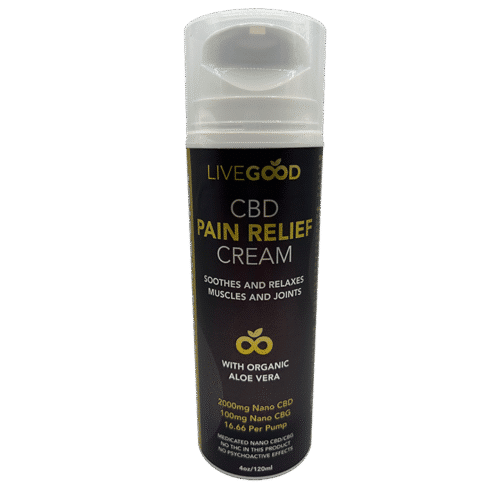
Health & Fitness The Promising Scope and Benefits of CBD Oil

The Promising Scope and Benefits of CBD Oil

Cannabidiol, commonly known as CBD, is one of the most potent natural compounds found in the hemp plant. Increasingly recognized for its therapeutic properties, CBD oil is becoming a front-runner in the world of natural remedies. Non-intoxicating and safe to use, it's currently capturing significant interest in the health and wellness industry.

One of the primary benefits of CBD oil is its potential to manage pain and inflammation. Numerous studies suggest that CBD can influence our body's endocannabinoid system, which plays a crucial role in maintaining bodily homeostasis. This interaction can result in reducing chronic pain by impacting endocannabinoid receptor activity and regulating inflammation. Athletes and fitness enthusiasts are increasingly turning to this natural remedy for post-workout recovery.

Moreover, CBD oil is gaining traction in mental health circles for its potential ability to alleviate symptoms of common mental health disorders. Preclinical studies suggest that CBD oil might hold promise for relieving anxiety and depression, owing to its ability to act on the brain's serotonin receptors – a key hormone that regulates mood and social behavior. For individuals seeking natural alternatives to pharmaceutical drugs, CBD oil could be a viable option.

The potential benefits of CBD oil are not limited to physical and mental health alone. Its antioxidant properties may contribute to skincare as well. Topical applications of CBD oil can help reduce signs of skin aging and diminish issues like acne, inflammation, and dryness by regulating oil production in the skin.

As for its usage, most people administer CBD oil orally, and it's advisable to start with a low dosage. It's important to remain mindful of the fact that the effects can vary from person to person, depending on factors such as body chemistry and the concentration of CBD in the product. Always consult with a healthcare professional before adding CBD oil or any supplement into your routine.

In conclusion, cbd oil is an evolving domain with enormous potential for health and wellness. Its pain-relieving, anti-inflammatory, mood-regulating, and skin health benefits are just a few reasons why people are favoring this natural compound. However, as with any health supplement, users are always advised to make informed choices and consider professional advice before usage.

Leave a Reply

Your email address will not be published. Required fields are marked *

Related Post

Brave Healing Courageous Steps Toward Mental HealthBrave Healing Courageous Steps Toward Mental Health

Mental health is often the silent battle that many of us face. Unlike physical injuries, the wounds of the mind are invisible, making it easy for pain to be overlooked, misunderstood, or dismissed. Yet, seeking mental health recovery is one of the most courageous acts a person can undertake. Brave healing is about taking intentional steps to care for yourself, confront your challenges, and embrace growth, even when the path feels uncertain Cost Without Insurance.

This article explores how to take courageous steps toward mental health, offering practical guidance, emotional insight, and inspiration for anyone ready to embark on the journey of self-healing.

Understanding Brave Healing

Healing is often misunderstood as a linear process where problems simply disappear over time. In reality, healing is messy, nonlinear, and deeply personal. Brave healing, however, emphasizes courage over perfection. It’s about showing up for yourself, acknowledging your struggles, and taking proactive steps to restore balance in your mind, body, and soul.

Mental health challenges—whether anxiety, depression, trauma, or chronic stress—can make you feel powerless. Brave healing reminds us that strength isn’t the absence of vulnerability, but the willingness to face it. By choosing to confront your pain rather than ignore it, you begin to reclaim control over your life.

Step 1: Acknowledge Your Struggles

The first step toward mental health recovery is acknowledgment. It takes bravery to admit that you are struggling. Many people try to hide their feelings out of fear of judgment or rejection. However, denying your emotions only prolongs suffering.

Practical Ways to Acknowledge Your Pain:

  • Self-Reflection: Take quiet moments to explore what you are feeling without judgment.

  • Journaling: Writing down your thoughts can clarify emotions and highlight patterns that need attention.

  • Talking to a Trusted Person: Confiding in someone you trust can lighten the emotional load and create a sense of support.

Acknowledging your struggles is not a sign of weakness; it’s a courageous declaration that your mental health matters.

Step 2: Seek Support

Brave healing is rarely a solo journey. Support is essential, whether it comes from friends, family, or mental health professionals. Reaching out for help can be intimidating, but it is a vital part of recovery.

Key Forms of Support:

  • Therapists and Counselors: Professional guidance can help you navigate complex emotions and develop coping strategies.

  • Support Groups: Sharing experiences with others facing similar challenges can provide comfort, understanding, and inspiration.

  • Loved Ones: Friends and family can offer encouragement and a safe space to express your feelings.

Accepting help doesn’t make you weak—it makes you human. Courage often lies in admitting you cannot do everything alone.

Step 3: Develop Healthy Coping Strategies

Once you have acknowledged your struggles and sought support, the next step is building healthy coping strategies. These tools help you manage stress, regulate emotions, and maintain stability in your daily life.

Effective Coping Strategies:

  1. Mindfulness and Meditation: Practices like deep breathing and meditation help you stay present and reduce anxiety.

  2. Physical Activity: Exercise releases endorphins, which naturally improve mood and reduce stress.

  3. Creative Expression: Art, music, or writing can help you process emotions in a constructive way.

  4. Routine and Structure: Establishing daily habits provides a sense of control and predictability in life.

The key is consistency—small, intentional actions taken every day accumulate into meaningful progress.

Step 4: Embrace Self-Compassion

Brave healing requires self-compassion. Mental health struggles can bring feelings of shame, guilt, or inadequacy. Being kind to yourself, forgiving your mistakes, and recognizing your efforts are essential to sustaining recovery.

Ways to Practice Self-Compassion:

  • Speak to yourself with the same kindness you would offer a friend.

  • Celebrate small victories, no matter how minor they seem.

  • Remind yourself that healing is a journey, not a race.

Self-compassion transforms setbacks into learning experiences and reinforces your courage to continue.

Step 5: Celebrate Progress

Recovery is often gradual and subtle. Brave healing involves acknowledging progress, even when it feels small. Each step forward—whether it’s opening up about your feelings, trying a new coping strategy, or simply getting through a difficult day—is a testament to your courage.

Remember, progress doesn’t have to be dramatic. Healing can be as simple as choosing self-care, maintaining healthy boundaries, or practicing mindfulness consistently. These moments of intentionality reflect true bravery.

Conclusion

Brave healing is an act of courage, resilience, and self-love. It begins with acknowledgment, is strengthened through support, nurtured by healthy coping strategies, and sustained by self-compassion. Every step forward, no matter how small, is a victory on the path toward mental wellness.

Your mental health matters. Your feelings are valid. And your journey, though challenging, is a testament to your strength. By choosing to face your struggles with courage, you reclaim your power and step into a life defined not by pain, but by resilience, hope, and growth.

Brave healing isn’t just recovery—it’s transformation.

From Tots to Teens Comprehensive Pediatric Foot CareFrom Tots to Teens Comprehensive Pediatric Foot Care

Healthy feet are the foundation for every child’s growth, mobility, and overall well-being. From the first steps of a toddler to the active routines of a teenager, proper pediatric foot care is essential to support development, prevent injuries, and address potential concerns early. Specialized clinics like Little Feet Pediatric Therapy in Washington DC provide comprehensive, individualized care designed to help children of all ages maintain strong, healthy feet and legs.

Why Pediatric Foot Care Matters

Children’s feet are constantly developing, and their bones, muscles, and ligaments are highly flexible during growth. While this flexibility is important for natural development, it can also make young feet susceptible to structural issues, imbalances, and injuries. Conditions like flat feet, heel pain, toe walking, or gait abnormalities may affect a child’s posture, coordination, and overall comfort.

Early detection and intervention are crucial. Pediatric foot care helps:

  • Prevent long-term complications

  • Improve mobility and balance

  • Support participation in sports and recreational activities

  • Enhance overall confidence and independence

At Little Feet Pediatric Therapy in Washington DC, clinicians specialize in identifying early signs of foot or ankle problems and providing targeted therapy to address them effectively.

Comprehensive Assessment and Diagnosis

Effective pediatric foot care begins with a thorough evaluation. Skilled therapists and podiatrists assess each child’s foot structure, gait, muscle strength, and flexibility. This process often includes:

  • Observation of walking and running patterns

  • Analysis of posture and balance

  • Measurement of arch development and foot alignment

  • Identification of abnormalities or areas of discomfort

With this comprehensive approach, Little Feet Pediatric Therapy in Washington DC ensures that every child receives a personalized care plan based on their specific needs and developmental stage.

Key Pediatric Foot Care Interventions

Pediatric foot care incorporates a variety of techniques and interventions designed to improve foot health, correct issues, and promote natural growth.

1. Therapeutic Exercises

Targeted exercises strengthen foot and ankle muscles, improve flexibility, and enhance overall balance. Activities may include toe curls, balance board exercises, hopping, and walking on different surfaces. These exercises are tailored to the child’s age and developmental needs.

2. Orthotic Support

Custom orthotics provide proper support and alignment, helping children with flat feet, high arches, or other structural concerns. Orthotics can relieve pain, improve gait, and prevent long-term foot problems.

3. Gait and Movement Training

Gait training helps children develop proper walking and running mechanics. This is particularly important for toddlers learning to walk, children recovering from injuries, or teens engaged in athletic activities. Therapists at Little Feet Pediatric Little Feet Pediatric Therapy in Washington DC in Washington DC design personalized plans to encourage correct movement patterns and reduce the risk of injury.

4. Balance and Coordination Activities

Developing strong balance and coordination is essential for foot and overall motor development. Pediatric therapy sessions often include fun, age-appropriate activities like hopping games, obstacle courses, or stability exercises to improve these skills.

Preventive Care and Education

Preventive care plays a critical role in maintaining healthy feet. Families are educated on proper footwear, at-home exercises, and monitoring for early signs of discomfort or abnormal development. This proactive approach helps reduce the likelihood of chronic issues and ensures that children can stay active and pain-free.

By focusing on preventive care, Little Feet Pediatric Therapy in Washington DC empowers parents to support their child’s foot health at home, complementing therapy sessions with consistent care.

Benefits of Comprehensive Pediatric Foot Care

When children receive expert foot care, they experience a wide range of benefits:

  • Improved strength, flexibility, and mobility

  • Reduced risk of injuries and chronic pain

  • Better posture, gait, and balance

  • Enhanced confidence in daily activities and sports

  • Support for healthy growth and development

These benefits contribute not only to physical health but also to a child’s emotional well-being and independence.

Final Thoughts

From toddlers taking their first steps to teens engaged in sports and school activities, proper pediatric foot care is essential for long-term health and mobility. Comprehensive evaluations, personalized therapy plans, and preventive guidance help children overcome challenges, strengthen their feet, and enjoy active, pain-free lives. With expert care from Little Feet Pediatric Therapy in Washington DC, children of all ages receive the support and guidance they need to build strong foundations for a lifetime of healthy steps.

Preventive Dentistry Tips from Boulder’s Leading DentistsPreventive Dentistry Tips from Boulder’s Leading Dentists

Preventive dentistry is the cornerstone of lifelong oral health. Rather than waiting for problems to arise, focusing on prevention can save patients from pain, costly treatments, and long-term complications. In Boulder, Colorado, leading dentists emphasize a proactive approach to oral care, blending traditional practices with modern innovations. Preventive dentistry not only protects your teeth but also supports overall health, as oral health is closely linked to heart disease, diabetes, and other systemic conditions Boulder Emergency Dentist.

The Importance of Preventive Dentistry

Preventive dentistry involves practices that help maintain healthy teeth and gums. While many patients may think of dental visits solely as a response to pain or decay, Boulder dentists stress that regular care prevents issues from occurring in the first place. Key benefits include:

  1. Early Detection of Dental Issues – Routine exams allow dentists to detect cavities, gum disease, and oral cancer early, when treatments are simpler and more effective.

  2. Cost Savings – Preventive measures like cleanings and sealants reduce the need for expensive procedures such as root canals or crowns.

  3. Improved Overall Health – Good oral hygiene can decrease the risk of systemic conditions associated with chronic inflammation in the mouth.

Daily Habits for Optimal Oral Health

Leading dentists in Boulder recommend the following habits to maintain strong, healthy teeth:

  1. Brushing Twice Daily – Use a soft-bristled toothbrush with fluoride toothpaste. Brush for at least two minutes, ensuring you reach all tooth surfaces.

  2. Flossing – Flossing once a day removes plaque and debris between teeth where a toothbrush cannot reach.

  3. Mouth Rinses – Antibacterial or fluoride rinses help reduce plaque and strengthen enamel.

  4. Balanced Diet – Limiting sugar, acidic beverages, and processed foods helps prevent cavities. Foods rich in calcium, vitamin D, and phosphorous support tooth and bone health.

  5. Hydration – Drinking water, especially after meals, washes away food particles and maintains saliva flow, which naturally protects teeth.

Professional Preventive Services

Boulder dentists offer a range of preventive services designed to maintain oral health and catch problems early. Key services include:

  1. Routine Cleanings – Professional cleanings remove tartar buildup and polish teeth, reducing the risk of cavities and gum disease.

  2. Dental Exams and X-Rays – Comprehensive exams detect early signs of decay, gum disease, and oral cancer. X-rays can reveal issues hidden beneath the surface.

  3. Sealants – Thin protective coatings applied to chewing surfaces prevent cavities, especially in children and teenagers.

  4. Fluoride Treatments – Professional fluoride strengthens enamel and reduces decay risk.

  5. Periodontal Assessments – Dentists check for gum disease, which is a leading cause of tooth loss in adults.

Specialized Tips from Boulder Dentists

Leading dentists in Boulder also provide personalized guidance based on individual risk factors:

  1. For Sensitive Teeth – Use toothpaste designed for sensitivity and avoid highly acidic foods and beverages.

  2. For Orthodontic Patients – Floss threaders, interdental brushes, and specialized cleaning techniques help maintain oral health during treatment.

  3. For Seniors – Addressing dry mouth, receding gums, and denture care is critical for long-term oral health.

  4. For Children – Early education about brushing, flossing, and nutrition sets the foundation for a lifetime of healthy smiles.

Technological Innovations Supporting Prevention

Boulder dental offices utilize cutting-edge technology to enhance preventive care:

  • Digital X-Rays – Reduce radiation exposure and provide high-resolution images for early detection.

  • Intraoral Cameras – Allow dentists to show patients problem areas in real time, enhancing understanding and compliance.

  • Laser Dentistry – Non-invasive lasers help treat gum disease and other conditions with minimal discomfort.

Lifestyle and Behavioral Recommendations

Preventive dentistry extends beyond brushing and flossing. Boulder dentists recommend:

  • Avoid Tobacco – Smoking and chewing tobacco increase the risk of oral cancer, gum disease, and tooth loss.

  • Limit Alcohol – Excessive alcohol contributes to decay and oral health problems.

  • Regular Dental Visits – Twice-yearly visits ensure that small problems do not become major issues.

Integrating Oral Health with Overall Wellness

Research increasingly shows a strong connection between oral and systemic health. Preventive dentistry helps manage inflammation, reduce bacterial infections, and promote cardiovascular and metabolic health. Boulder dentists emphasize a holistic approach, encouraging patients to treat oral care as part of their overall wellness routine.

Conclusion

Preventive dentistry is not just about teeth—it’s about long-term health, confidence, and quality of life. Boulder’s leading dentists provide guidance, professional care, and modern tools to help patients maintain strong, healthy smiles. By incorporating daily habits, professional preventive services, and lifestyle adjustments, individuals can minimize dental problems, save money, and enjoy a lifetime of oral health.

From Ashes to Freedom: Overcoming the Smoking HabitFrom Ashes to Freedom: Overcoming the Smoking Habit

Smoking has long been a pervasive habit worldwide, with millions of people lighting up daily despite the well-documented health risks. From lung disease and heart problems to decreased quality of life, the consequences of smoking are far-reaching. Yet, the path to quitting is often fraught with physical cravings, emotional triggers, and social pressures. “From Ashes to Freedom” encapsulates the journey of breaking free from the smoking habit—not just as a physical act but as a profound personal transformation Lung Cancer.

Understanding the Grip of Nicotine

The first step in overcoming smoking is understanding its hold. Nicotine, the primary addictive component in cigarettes, stimulates the release of dopamine—a neurotransmitter associated with pleasure and reward. Each puff creates a temporary sense of relaxation or alertness, which reinforces the behavior. Over time, the brain comes to rely on nicotine for these feelings, making cessation challenging. Physical dependence manifests through withdrawal symptoms like irritability, anxiety, headaches, and intense cravings.

However, addiction is not solely physical. Psychological dependence plays an equally powerful role. Many smokers associate cigarettes with routines, stress relief, or social interaction. These learned associations make the act of smoking feel ingrained in daily life, turning quitting into a battle against both habit and craving.

Recognizing the Need to Quit

Motivation is the cornerstone of smoking cessation. Recognizing the personal reasons to quit—whether it’s improving health, saving money, or protecting loved ones from secondhand smoke—is crucial. Awareness of the dangers can serve as a powerful catalyst. Smoking contributes to lung cancer, cardiovascular disease, and chronic obstructive pulmonary disease (COPD). It also accelerates aging, weakens the immune system, and reduces overall life expectancy.

Beyond health, quitting smoking offers emotional and social benefits. Many former smokers report a renewed sense of control, improved confidence, and freedom from the social stigma associated with smoking. Understanding these benefits can strengthen commitment and prepare the mind for the challenges ahead.

Preparing for the Journey

Successful quitting is rarely spontaneous. Preparation involves setting a quit date, identifying triggers, and planning strategies to cope with cravings. Behavioral changes, environmental adjustments, and support systems all play pivotal roles.

  1. Setting a Quit Date: Choosing a specific day to stop smoking provides a concrete goal and marks the start of a structured plan. Some prefer a gradual reduction approach, while others opt for the “cold turkey” method. Both approaches have merit, but commitment and consistency are key.
  2. Identifying Triggers: Cravings are often tied to habits, emotions, or environments. Smokers may feel the urge when drinking coffee, after meals, during stress, or in social situations. Identifying these triggers in advance allows for the development of alternative coping mechanisms.
  3. Planning Coping Strategies: Replacing the ritual of smoking with healthier alternatives can significantly improve success rates. Activities such as chewing sugar-free gum, drinking water, taking short walks, or practicing mindfulness help manage cravings without compromising resolve.

Leveraging Support Systems

Quitting smoking doesn’t have to be a solitary journey. Support from friends, family, or professional networks can make a substantial difference. Counseling, support groups, and helplines offer both encouragement and accountability.

  • Behavioral Therapy: Cognitive-behavioral therapy (CBT) helps smokers recognize negative thought patterns and develop practical strategies to resist cravings. By addressing psychological dependence, CBT reduces the likelihood of relapse.
  • Nicotine Replacement Therapy (NRT): NRT products—such as patches, gums, lozenges, or inhalers—deliver controlled doses of nicotine without harmful smoke. These tools ease withdrawal symptoms, allowing the body and mind to gradually adjust to life without cigarettes.
  • Medication: Certain prescription medications can reduce cravings and withdrawal symptoms. Consulting a healthcare professional ensures appropriate guidance and monitoring throughout the quitting process.

Navigating Challenges and Setbacks

Quitting smoking is rarely a linear journey. Many individuals experience relapses before achieving long-term success. Understanding that setbacks are part of the process, rather than failures, fosters resilience.

Triggers can be unpredictable, and stress may temporarily overpower resolve. When a relapse occurs, reflecting on the circumstances and learning from them is vital. Reaffirming commitment, revising strategies, and seeking additional support can transform setbacks into stepping stones rather than obstacles.

Moreover, patience and self-compassion are crucial. Nicotine addiction rewires the brain over years, so recovery is gradual. Celebrating small milestones—such as one day, one week, or one month smoke-free—reinforces progress and maintains motivation.

Embracing a Smoke-Free Lifestyle

Achieving freedom from smoking is only part of the transformation. Sustaining a smoke-free life requires cultivating new habits, maintaining awareness, and nurturing overall well-being.

  1. Healthy Lifestyle Choices: Regular exercise, balanced nutrition, and adequate sleep help repair the body and manage stress, reducing the likelihood of relapse. Physical activity, in particular, not only boosts mood but also decreases cravings by triggering dopamine naturally.
  2. Mindfulness and Stress Management: Mindfulness practices, meditation, and deep-breathing exercises help smokers confront stress without resorting to cigarettes. Building emotional resilience is essential for navigating challenging situations while staying smoke-free.
  3. Social Reinforcement: Surrounding oneself with supportive, smoke-free individuals reinforces commitment. Sharing experiences, seeking advice, and celebrating achievements with peers fosters a sense of accountability and belonging.
  4. Celebrating Achievements: Rewarding oneself for smoke-free milestones—whether through small indulgences or meaningful experiences—reinforces the positive aspects of quitting. These rewards create a new feedback loop, replacing the dopamine-driven reinforcement once provided by nicotine.

The Psychological Freedom Beyond Smoking

Overcoming smoking is not only a victory over addiction; it represents a broader psychological liberation. Breaking the habit restores autonomy, self-discipline, and confidence. Former smokers often discover newfound energy, improved mental clarity, and a heightened appreciation for life’s simple pleasures.

Furthermore, quitting smoking impacts relationships positively. Loved ones no longer face the risks of secondhand smoke, and social interactions are no longer punctuated by smoke breaks. The sense of being in control, combined with improved physical and emotional health, creates a profound feeling of freedom.

Inspiring Stories of Transformation

Countless individuals have made the journey from ashes to freedom. Personal stories of perseverance, relapse, and ultimate success serve as powerful motivators. Reading or hearing these experiences provides hope, demonstrating that quitting is possible for anyone, regardless of age, duration of smoking, or previous failed attempts.

These stories also emphasize a universal truth: quitting smoking is a deeply personal journey. Each path is unique, shaped by individual triggers, motivations, and coping mechanisms. Success comes not from adhering to a rigid formula, but from persistence, adaptability, and self-belief.

Conclusion

The journey from smoking to freedom is both challenging and transformative. It requires understanding addiction, cultivating motivation, preparing strategically, leveraging support systems, and embracing lifestyle changes. While setbacks may occur, resilience and persistence pave the way toward lasting liberation.

“From Ashes to Freedom” is more than a metaphor for quitting cigarettes; it is a testament to human resilience, willpower, and the capacity for personal transformation. By confronting addiction, developing healthier habits, and celebrating achievements, individuals can reclaim control over their bodies, minds, and lives. Quitting smoking is not merely about stopping a habit—it is about reclaiming freedom, health, and the chance to breathe fully, unburdened by the chains of nicotine.

Comparing Health Insurance Options in FloridaComparing Health Insurance Options in Florida

When you’re navigating the complex world of health insurance options in Florida, it’s crucial to understand the differences between plans like HMOs, PPOs, and EPOs. Each type offers unique benefits and limitations that can significantly impact your healthcare experience and costs. You’ll want to consider your personal needs, from regular doctor visits to potential out-of-pocket expenses, as you explore various providers. But how do you determine which plan truly fits your lifestyle and budget? Let’s take a closer look at the key factors that can guide your decision-making process.

Types of Health Insurance Plans

When navigating health insurance options in Florida, it’s essential to understand the different types of health insurance plans available to you.

First up, you’ll encounter Health Maintenance Organizations (HMOs). These plans require you to choose a primary care physician (PCP) who coordinates your care and refers you to specialists. While they often have lower premiums, you’ll need to use their network of providers.

Next, there are Preferred Provider Organizations (PPOs). With a PPO, you have more flexibility when choosing healthcare providers and specialists, without needing a referral. However, this convenience usually comes with higher premiums and out-of-pocket costs.

Another option is Exclusive Provider Organizations (EPOs). EPOs combine features of both HMOs and PPOs, requiring you to use a network of providers but allowing you to see specialists without referrals.

Lastly, you’ll find High Deductible bradesco saude Plans (HDHPs), which typically feature lower premiums and higher deductibles. These plans are often paired with Health Savings Accounts (HSAs) that let you save for medical expenses tax-free.

Understanding these options will help you make informed decisions about your health coverage in Florida.

Key Factors to Consider

Choosing the right health insurance plan in Florida involves several key factors that can significantly impact your coverage and costs.

First, consider your healthcare needs. Think about regular doctor visits, prescription medications, and any ongoing treatments. This will help you determine the level of coverage you require.

Next, evaluate the plan’s premiums and out-of-pocket costs. A lower premium might seem appealing, but it could come with higher deductibles or copayments, leading to increased costs when you need care.

Balance your monthly budget with potential medical expenses.

Another factor is the network of providers. Ensure your preferred doctors and hospitals are included in the plan’s network. Out-of-network care can be costly and may not be covered at all.

Also, pay attention to the plan’s benefits and exclusions. Some plans may cover specific services, like mental health or wellness programs, while others might not.

Understanding these details is crucial for making an informed choice.

Popular Health Insurance Providers

Navigating the landscape of health insurance providers in Florida can feel overwhelming, but knowing your options can make the process smoother. Several popular health insurance providers cater to diverse needs, making it easier for you to find a plan that fits your lifestyle.

UnitedHealthcare is a prominent choice, offering a wide range of plans, including HMOs and PPOs. They’re known for their extensive network and digital tools that help you manage your health.

Blue Cross Blue Shield of Florida is another trusted option, providing comprehensive coverage and strong customer support, which can be particularly beneficial when navigating complex healthcare needs.

Humana stands out for their wellness programs and preventive care services, helping you stay healthy while managing costs.

Aetna is also worth considering, especially if you prioritize telehealth services and personalized care options.

Lastly, Cigna offers flexibility and a variety of plans that can suit families and individuals alike.

With these providers, you can explore different coverage types and benefits, allowing you to make an informed decision tailored to your unique health needs.

Cost Comparison Strategies

Understanding the costs associated with health insurance is crucial, as it directly impacts your budget and access to care. To make informed decisions, start by evaluating the monthly premiums of different plans. Lower premiums might seem appealing, but they can come with higher deductibles or out-of-pocket expenses, so look at the total cost of care over the year.

Next, consider the coverage details. Review what services are included, such as preventive care, specialist visits, and prescription drugs. A plan might’ve a low premium but limited coverage, leading to higher costs when you need care.

Don’t forget to check the provider networks. If your preferred doctors or hospitals aren’t in-network, you might face higher costs for their services.

Also, assess the copayments and coinsurance rates; these can vary significantly between plans.

Enrollment Process and Tips

The enrollment process for health insurance in Florida can feel overwhelming, but it doesn’t have to be. Start by determining your eligibility for different plans, whether it’s through your employer, the Health Insurance Marketplace, or Medicaid. Gather necessary documents like income statements and identification to streamline the process.

Next, explore your options. Take time to compare plans based on coverage, premiums, deductibles, and out-of-pocket costs. Use online tools or brokers for assistance if needed.

Once you’ve narrowed down your choices, it’s time to fill out the application. Be thorough and accurate to avoid delays.

Don’t forget to pay attention to key deadlines. Open enrollment periods vary depending on the type of insurance, so mark your calendar to ensure you don’t miss your chance.

If you qualify for special enrollment periods due to life changes, make sure to act quickly.

Frequently Asked Questions

What Are the Tax Implications of Health Insurance in Florida?

Health insurance in Florida can impact your taxes significantly. Premiums may be tax-deductible if you itemize, and some plans offer Health Savings Accounts, which provide tax benefits. Always check with a tax advisor for personalized advice.

Can I Switch Plans Mid-Year if My Needs Change?

Yes, you can switch plans mid-year if your needs change, but it depends on your specific situation. Check your current plan’s guidelines and any qualifying events that might allow you to make a change.

How Do Pre-Existing Conditions Affect My Coverage Options?

Pre-existing conditions can impact your coverage options. Insurers might charge higher premiums or impose waiting periods. However, under certain laws, you can’t be denied coverage based on these conditions, so it’s essential to explore your choices.

Are There Any Specific Florida Health Insurance Regulations I Should Know?

You should know that Florida has regulations ensuring coverage for essential health benefits, prohibits lifetime limits, and mandates coverage for individuals with pre-existing conditions. Familiarize yourself with these rules to make informed insurance decisions.

What Resources Are Available for Health Insurance Assistance in Florida?

You can access resources like the Florida Department of Financial Services, local insurance agents, and community health centers. Online platforms, including healthcare.gov, also provide valuable guidance to help you navigate your health insurance options effectively.

Conclusion

In conclusion, comparing health insurance options in Florida can feel overwhelming, but it doesn’t have to be. By understanding the different plan types, key factors to consider, and the costs involved, you can find a plan that meets your needs. Don’t hesitate to use online tools or seek help from brokers to make an informed choice. Remember, the right health insurance can provide peace of mind and protect your health without breaking the bank.