
Health & Fitness Fastin Diet Pills: A Complete Guide to Authentic Fastin Supplements

Fastin Diet Pills: A Complete Guide to Authentic Fastin Supplements

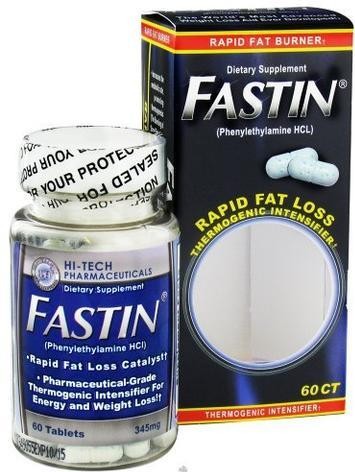
Fastin diet pills have been a well-known name in the weight management market for many years. However, the name " Fastin " has also caused confusion because it has been used for both a discontinued prescription medication and modern over-the-counter dietary supplements. If you are considering Fastin supplements, it is important to understand the differences, how these products work, and how to identify authentic products before making a purchase.

Understanding Fastin Diet Pills

Originally, Fastin was a prescription brand name for phentermine, a medication used as a short-term treatment for obesity under medical supervision. That prescription version has been discontinued in the United States, although phentermine remains available under other brand names and generic versions.

Today, the Fastin name is commonly associated with over-the-counter dietary supplements rather than the original prescription drug. These supplements are marketed to support energy, metabolism, and weight management, but they are not equivalent to prescription phentermine.

What Are Authentic Fastin Supplements?

Authentic Fastin supplements are products manufactured and sold by legitimate companies through authorized retailers. Because the weight-loss supplement market contains counterfeit and misleading products, consumers should verify that they are purchasing genuine supplements.

Authentic products typically include:

  • Original manufacturer packaging
  • Clearly printed ingredient labels
  • Batch numbers and expiration dates
  • Tamper-evident seals
  • Purchases from trusted retailers or the manufacturer's official distribution channels

Avoid products with damaged packaging, missing labels, or prices that seem unrealistically low.

Common Ingredients in Modern Fastin Supplements

Unlike the original prescription medication, today's Fastin supplements generally contain stimulant and thermogenic ingredients designed to support metabolism and energy.

Depending on the formula, ingredients may include:

  • Phenylethylamine (PEA)
  • Caffeine
  • Synephrine
  • Herbal extracts
  • Vitamin blends
  • Metabolism-supporting compounds

Ingredient lists can change over time, so always review the product label before use.

Potential Benefits

Many people choose Fastin supplements because they are designed to support a comprehensive weight management program.

Potential benefits may include:

Increased Energy

Many formulas contain stimulants that may help improve alertness and reduce feelings of fatigue during calorie restriction.

Appetite Support

Certain ingredients are intended to help reduce hunger or improve feelings of fullness, making it easier for some individuals to follow a reduced-calorie diet.

Metabolism Support

Thermogenic ingredients are often included to support normal metabolic processes and calorie burning.

Workout Performance

Some users report increased motivation and energy before exercise, which may help improve workout consistency.

It is important to remember that dietary supplements alone are unlikely to produce significant weight loss without healthy eating habits and regular physical activity.

Are Fastin Diet Pills Effective?

The effectiveness of any weight-loss supplement varies from person to person. Lifestyle factors such as nutrition, exercise, sleep, and consistency remain the most important contributors to sustainable weight management.

While some ingredients found in Fastin supplements may temporarily increase energy or reduce appetite, evidence supporting substantial long-term weight loss from over-the-counter Fastin supplements is limited. The original prescription Fastin (phentermine) had clinical evidence for short-term use under medical supervision, but current supplements should not be considered equivalent.

Safety Considerations

Because many Fastin supplements contain stimulant ingredients, users should follow all label directions carefully.

Possible side effects may include:

  • Increased heart rate
  • Jitteriness
  • Nervousness
  • Difficulty sleeping
  • Elevated blood pressure
  • Headaches

People with heart disease, high blood pressure, anxiety disorders, pregnancy, or sensitivity to stimulants should consult a healthcare professional before using these products.

Never exceed the recommended dosage or combine multiple stimulant supplements without medical advice.

How to Identify Authentic Products

To reduce the risk of purchasing counterfeit supplements, consider these recommendations:

  • Buy only from reputable retailers.
  • Inspect packaging for quality and authenticity.
  • Verify expiration dates.
  • Review the complete ingredient list.
  • Avoid sellers making unrealistic weight-loss claims.
  • Research customer reviews from trusted sources.

Being an informed consumer helps reduce the likelihood of purchasing imitation products.

Tips for Best Results

If you decide to use Fastin supplements, combine them with healthy lifestyle habits for the best chance of success.

Helpful strategies include:

  • Eat a balanced, calorie-controlled diet.
  • Stay well hydrated.
  • Exercise regularly.
  • Get enough sleep.
  • Monitor your progress consistently.
  • Follow serving instructions exactly.

Supplements work best as part of an overall wellness plan rather than as a replacement for healthy habits.

Final Thoughts

Fastin diet pills remain a recognizable name in the weight-loss supplement market, but it is essential to understand that today's over-the-counter Fastin supplements differ from the discontinued prescription medication once sold under the same brand. Choosing authentic products from reputable sellers, reviewing ingredient labels carefully, and maintaining realistic expectations can help you make informed decisions.

No supplement can replace a nutritious diet, regular exercise, and consistent healthy habits. Before beginning any new weight-loss supplement—especially one containing stimulant ingredients—consult a qualified healthcare professional to determine whether it is appropriate for your individual health needs and goals.

Leave a Reply

Your email address will not be published. Required fields are marked *

Related Post

Beard Transplant Everything You Need to Know Before Choosing Facial Hair RestorationBeard Transplant Everything You Need to Know Before Choosing Facial Hair Restoration

Introduction

The rise of beard fashion has transformed men’s grooming standards worldwide. A thick, well-shaped beard is no longer just a natural trait—it’s become a style choice, a statement of confidence, and sometimes even a professional or social expectation. Unfortunately, not every man is born with the genetic ability to grow a full beard. Hormonal imbalances, scars, or patchy growth often leave men dissatisfied with their appearance.

Beard transplant procedures, including the increasingly popular Beard Transplant in Mashhad, offer a permanent solution. In this article, we will examine the entire subject of beard transplantation: the science behind it, the methods available, the healing process, risks, costs, and the long-term benefits for men seeking a natural and masculine appearance.

The Science Behind Beard Transplant

Beard transplantation is based on the principle of follicular relocation. Hair follicles from a donor area (usually the back of the scalp) are harvested and implanted into areas of the face where hair is sparse or absent. Because the transplanted follicles retain their genetic code, they continue to grow naturally in their new location for a lifetime.

This makes beard transplants fundamentally different from artificial implants or temporary cosmetic fillers. Once performed successfully, the transplanted beard can be trimmed, shaved, and styled just like natural hair.

Who Needs a Beard Transplant?

Men seek beard transplants for many reasons:

  1. Genetic Limitations – Some men simply cannot grow facial hair due to inherited traits.

  2. Hormonal Issues – Low testosterone or thyroid problems may prevent beard growth.

  3. Scars & Burns – Trauma to the skin can destroy follicles permanently.

  4. Patchy Growth – Uneven or irregular patterns can make a beard look incomplete.

  5. Cosmetic Enhancement – Some men pursue the procedure to strengthen self-image and confidence.

Different Techniques of Beard Transplant

FUT (Follicular Unit Transplantation)

  • A strip of skin is removed from the back of the head.

  • Hair follicles are dissected and transplanted into the beard.

  • Pros: Provides a large number of grafts in a single session.

  • Cons: Leaves a linear scar and requires longer recovery.

FUE (Follicular Unit Extraction)

  • Follicles are extracted individually using micro-punch instruments.

  • Transplanted into beard areas with high precision.

  • Pros: No linear scar, shorter downtime, natural results.

  • Cons: Requires longer procedure time.

Micro-FUE, SUT, and DHI

  • Micro-FUE offers ultra-precise follicle extraction.

  • SUT ensures higher follicle survival rates.

  • DHI (Direct Hair Implantation) allows direct implantation without prior incision, giving natural-looking density and direction.

Step-by-Step Process

  1. Consultation

    • Patient discusses goals with the surgeon.

    • Beard design is customized based on facial symmetry.

  2. Medical Evaluation

    • Blood and hormonal tests confirm candidate suitability.

  3. Surgery

    • Local anesthesia is applied.

    • Follicles are harvested from the donor site.

    • Grafts are implanted at precise angles in the beard region.

  4. Recovery

    • Light bandages are applied.

    • Patient is usually discharged the same day.

Aftercare and Healing

  • First 7 Days: Redness, swelling, and scabbing appear. Avoid touching the face.

  • Weeks 2–4: Temporary shedding (shock loss) occurs—normal and expected.

  • Months 3–6: New Best Hair Salon in Prescott AZ growth begins but may appear uneven.

  • Months 9–12: Final, natural results become visible.

Doctors recommend avoiding strenuous activity, direct sunlight, and facial pressure during recovery. Medications such as antibiotics may be prescribed to prevent infection.

Benefits of Beard Transplant

  • Natural Results – Follicles blend with existing hair perfectly.

  • Permanent Solution – Unlike cosmetic fillers, results last a lifetime.

  • Confidence Boost – Men feel more masculine and attractive.

  • Style Flexibility – Patients can trim or shave their beards as desired.

Risks and Side Effects

While generally safe, beard transplants may involve:

  • Swelling or bruising in early days.

  • Rare infections if hygiene is neglected.

  • Uneven results if performed by inexperienced surgeons.

  • Visible scars (mainly with FUT).

Choosing an experienced clinic greatly reduces risks.

Beard Transplant Costs

Several factors determine pricing:

  • Number of Grafts – More grafts equal higher cost.

  • Technique Used – Advanced methods like Micro-FUE or DHI are pricier.

  • Clinic Location – Major cities often have higher rates.

  • Surgeon’s Expertise – Skilled surgeons charge more but deliver better results.

Men considering beard transplant in Mashhad often find the procedure more affordable than in Tehran or other countries. Mashhad’s growing reputation for medical tourism makes it a competitive option.

Beard vs. Hair Transplant

Key differences include:

  • Density: Beard requires fewer grafts than scalp.

  • Precision: Angles must be exact for a natural beard look.

  • Donor Source: Hair from the scalp or, in some cases, body hair can be used.

Psychological Benefits

Beard transplants are not only physical enhancements but also emotional investments. Patients often report:

  • Improved self-esteem.

  • Greater confidence in social and professional interactions.

  • Relief from long-standing dissatisfaction with facial hair.

Why Mashhad for Beard Transplants?

Mashhad has become a leading city in Iran for beard transplants due to:

  • Affordable Prices compared to Tehran.

  • Qualified Surgeons with advanced experience in FUE and Micro-FUE.

  • Medical Tourism Appeal, attracting both domestic and international patients.

When choosing beard transplant in Mashhad, patients should carefully research clinic credentials, facilities, and reviews to ensure high-quality results.

Conclusion

Beard transplantation is more than a cosmetic procedure—it is a transformative journey. For men struggling with patchy, thin, or absent beards, it offers a permanent, natural-looking solution. With advanced methods such as FUE and DHI, recovery is easier and results are more precise than ever before.

For those seeking affordable, high-quality treatment, Mashhad has emerged as a promising destination. By selecting the right surgeon and following proper aftercare, patients can expect lifelong results that redefine their style, confidence, and personal identity.

Comprehensive Guide to Pest Control: Ensuring a Safe and Healthy EnvironmentComprehensive Guide to Pest Control: Ensuring a Safe and Healthy Environment

Pest control is a crucial aspect of maintaining a safe, healthy, and hygienic living or working environment. From homes to commercial establishments, pests like rodents, insects, and termites can cause severe health risks and property damage. Implementing effective pest control measures is not just about eliminating nuisances; it is about safeguarding well-being and preventing long-term damage. This guide explores everything you need to know about pest control, including its importance, methods, benefits, and professional services.

Understanding Pest Control

Pest control refers to the management and regulation of species considered harmful or destructive to humans, their property, or the environment. Common pests include insects like mosquitoes, cockroaches, ants, and termites, as well as rodents such as rats and mice. While some pests are harmless, many can carry diseases, trigger allergies, or damage structures.

Effective pest control involves a combination of preventive measures, monitoring, and treatment methods. It requires understanding the biology, behavior, and habitat of pests to target them efficiently without harming humans or pets.

Common Types of Pests

1. Insects

Insects are among the most widespread pests found in homes and commercial spaces. They include:

  • Cockroaches: Known carriers of bacteria and allergens.
  • Mosquitoes: Transmit diseases like malaria, dengue, and Zika virus.
  • Ants: Can contaminate food and damage wooden structures.
  • Termites: Cause significant damage to wooden furniture and structures.
  • Bedbugs: Feed on human blood and cause discomfort and skin reactions.

2. Rodents

Rodents like rats and mice are notorious for their ability to reproduce rapidly and cause extensive damage. They can chew through electrical wiring, furniture, and insulation, posing both fire hazards and health risks.

3. Wildlife Pests

Certain wildlife, including squirrels, raccoons, and birds, may intrude into homes or commercial properties, creating sanitation and safety issues.

Importance of Pest Control

1. Health Protection

Many pests are vectors of diseases. For instance, mosquitoes can spread malaria, dengue, and West Nile virus. Rodents can transmit leptospirosis and hantavirus, while cockroaches can trigger asthma and allergies. Effective pest control reduces the risk of disease transmission, ensuring a healthier environment.

2. Property Preservation

Pests like termites, rodents, and carpenter ants can cause severe structural damage to homes and commercial buildings. Early detection and treatment can save property owners from expensive repairs.

3. Food Safety

Insects and rodents contaminate food supplies, leading to spoilage and health risks. Regular pest control ensures kitchens, restaurants, and food storage facilities remain hygienic and safe for consumption.

4. Peace of Mind

Living or working in an environment free from pests contributes to overall comfort, productivity, and mental well-being. Constant exposure to pests can cause stress and anxiety, making pest control essential for a peaceful environment.

Methods of Pest Control

Pest control methods can be broadly categorized into preventive, chemical, biological, and physical strategies. Choosing the right approach depends on the type of pest, severity of infestation, and safety considerations.

1. Preventive Measures

Prevention is the first line of defense against pests. Effective preventive measures include:

  • Sanitation: Keeping homes and workplaces clean reduces the chances of attracting pests.
  • Proper Waste Management: Sealing garbage bins and disposing of waste regularly prevents rodents and insects from thriving.
  • Structural Maintenance: Sealing cracks, repairing leaks, and installing screens can prevent pests from entering buildings.
  • Regular Inspections: Routine checks help detect early signs of infestation, allowing for timely intervention.

2. Chemical Control

Chemical methods involve the use of pesticides and insecticides to eliminate pests. These include:

  • Sprays and Foggers: Effective for controlling insects like mosquitoes and flies.
  • Baits and Traps: Used for rodents and ants, attracting pests to consume toxic bait.
  • Termiticides: Specialized chemicals for termite eradication.
    While chemical methods can be highly effective, they must be used cautiously to avoid harming humans, pets, and the environment.

3. Biological Control

Biological pest control uses natural predators or pathogens to control pest populations. For example:

  • Ladybugs feed on aphids.
  • Parasitic Wasps target caterpillars and other harmful insects.
  • Bacteria like Bacillus thuringiensis (Bt) can kill mosquito larvae.
    Biological methods are eco-friendly and sustainable but may require more time to show results.

4. Physical and Mechanical Control

These methods involve using barriers or devices to prevent or remove pests:

  • Traps: Glue traps or snap traps for rodents.
  • Barriers: Nets or screens to prevent bird and insect entry.
  • Heat and Cold Treatments: Using extreme temperatures to kill pests like bedbugs or termites.

Integrated Pest Management (IPM)

Integrated Pest Management (IPM) is a holistic approach that combines multiple methods to manage pests effectively and safely. IPM focuses on long-term prevention through a combination of:

  • Monitoring pest populations.
  • Using mechanical, biological, and chemical control as needed.
  • Minimizing pesticide usage.
    IPM is environmentally responsible and reduces the risks associated with chemical overuse while ensuring sustainable pest control.

Professional Pest Control Services

While DIY riverview pest control solutions are popular, professional pest control services offer several advantages:

  • Expertise: Professionals understand pest behavior and the most effective treatment methods.
  • Safety: Technicians use approved chemicals and equipment safely, reducing risks to humans and pets.
  • Comprehensive Solutions: Services often include inspections, treatment, and prevention strategies.
  • Long-term Protection: Many companies offer ongoing monitoring and maintenance plans to prevent re-infestation.

Professional pest control is especially important for severe infestations, termites, bedbugs, and commercial establishments where safety regulations are strict.

Benefits of Pest Control

  1. Health Safety: Reduces exposure to allergens, bacteria, and disease vectors.
  2. Property Protection: Prevents costly structural and furniture damage.
  3. Enhanced Comfort: Promotes a clean and hygienic living and working environment.
  4. Environmental Protection: Modern pest control methods focus on eco-friendly solutions that minimize chemical use.
  5. Cost Savings: Early detection and treatment prevent major infestations that can be expensive to address.

Pest Control Safety Tips

When implementing pest control, safety is paramount. Consider the following:

  • Read Product Labels: Follow instructions carefully for chemical pesticides.
  • Keep Pets and Children Away: Ensure they are not exposed to harmful chemicals.
  • Use Protective Gear: Gloves, masks, and goggles when handling chemicals.
  • Proper Storage: Store pesticides in original containers and away from food and water.
  • Hire Professionals: For large-scale or dangerous infestations, professional help ensures safety and effectiveness.

DIY vs. Professional Pest Control

DIY Pest Control

DIY solutions can be effective for minor infestations and preventive measures. They are cost-effective and convenient. Common DIY methods include:

  • Using natural repellents like neem oil or diatomaceous earth.
  • Setting traps for rodents or insects.
  • Sealing entry points and maintaining cleanliness.

Professional Pest Control

Professional services are necessary for severe infestations or pests that are difficult to eradicate. Benefits include:

  • Guaranteed results.
  • Use of industrial-grade pesticides.
  • Expertise in handling hazardous pests like termites, bedbugs, and rodents.

Choosing between DIY and professional pest control depends on the severity of the infestation, type of pest, and safety considerations.

Seasonal Pest Control

Pest activity often varies with seasons. Understanding seasonal patterns helps in timely intervention:

  • Spring and Summer: Increased insect activity, especially mosquitoes, flies, and ants.
  • Fall: Rodents seek shelter indoors as temperatures drop.
  • Winter: Termites and other pests may remain active indoors, requiring monitoring.

Regular seasonal pest control ensures proactive prevention and minimizes infestations before they escalate.

Eco-Friendly Pest Control

With increasing awareness about environmental sustainability, eco-friendly pest control has gained popularity. Methods include:

  • Using natural predators: Encouraging beneficial insects in gardens.
  • Organic pesticides: Plant-based solutions with minimal environmental impact.
  • Traps and barriers: Physical methods to avoid chemical use.
    Eco-friendly approaches protect the environment while maintaining effective pest control.

Conclusion

Pest control is an essential part of maintaining a safe, healthy, and comfortable environment. From protecting health to preserving property and ensuring food safety, the benefits of effective pest management are numerous. Whether using preventive measures, chemical treatments, biological methods, or professional services, a strategic approach is key. Integrated Pest Management (IPM) and eco-friendly solutions further enhance effectiveness while minimizing risks. Regular inspections, timely intervention, and professional support ensure that pests do not disrupt daily life. Prioritizing pest control is not just a necessity—it’s an investment in health, safety, and peace of mind.

Borderline Personality Disorder Explained: Causes, Diagnosis, and Treatment OptionsBorderline Personality Disorder Explained: Causes, Diagnosis, and Treatment Options

Borderline Personality Disorder (BPD) is a complex and often misunderstood mental health condition. Characterized by intense emotional instability, impulsive behavior, and difficulties in maintaining stable relationships, BPD affects approximately 1.6% of the general population, with higher prevalence among women. Despite its prevalence, the disorder is frequently stigmatized, leading to misconceptions and barriers in seeking effective treatment. Understanding BPD involves exploring its causes, identifying symptoms, navigating diagnosis, and learning about the treatment options available to manage the disorder.

Understanding Borderline Personality Disorder

Borderline Personality Disorder is classified as a cluster B personality disorder in the Diagnostic and Statistical Manual of Mental Disorders, Fifth Edition (DSM-5). Cluster B disorders are marked by dramatic, emotional, or erratic behaviors. Individuals with BPD often struggle with emotional regulation, experience intense episodes of anger, anxiety, or depression, and may have a distorted self-image. Relationships are often turbulent, with alternating periods of idealization and devaluation of others. The fear of abandonment is pervasive and may drive extreme efforts to avoid real or imagined rejection.

BPD is not merely “emotional overreaction” or a failure of character. It is a serious mental health condition rooted in a combination of genetic, neurobiological, and environmental factors. Left untreated, BPD can significantly impair daily functioning, but with proper intervention, individuals can achieve stability and lead fulfilling lives.

Causes of Borderline Personality Disorder

The exact cause of BPD remains complex and multifactorial. Current research points to the interaction of genetic predisposition, neurobiological differences, and environmental stressors.

1. Genetic Factors

Family and twin studies suggest a strong hereditary component to BPD. Individuals with a first-degree relative diagnosed with BPD are at higher risk of developing the disorder themselves. While no single gene has been identified as responsible, studies indicate that variations in genes affecting the regulation of serotonin—a neurotransmitter linked to mood and impulse control—may contribute to the disorder.

2. Neurobiological Factors

Brain imaging studies have revealed structural and functional differences in individuals with BPD. Areas involved in emotional regulation, such as the amygdala and prefrontal cortex, often show altered activity. The amygdala, responsible for processing emotional stimuli, may be hyperactive, leading to heightened emotional responses. Meanwhile, underactivity in the prefrontal cortex can impair impulse control and decision-making, contributing to the intense mood swings and impulsive behaviors characteristic of BPD.

3. Environmental and Psychosocial Factors

Environmental influences, particularly in early childhood, play a critical role in the development of BPD. Experiences such as childhood trauma, physical or sexual abuse, neglect, or exposure to unstable family dynamics can predispose an individual to developing BPD. Inconsistent or invalidating caregiving, where a child’s emotional experiences are dismissed or punished, may disrupt the development of healthy emotional regulation and self-concept, increasing vulnerability to BPD in adolescence or adulthood.

Symptoms and Diagnosis

BPD manifests through a wide range of symptoms that often overlap with other mental health disorders, which can make diagnosis challenging. According to the DSM-5, a diagnosis of BPD is made when an individual exhibits at least five of the following nine criteria:

  1. Fear of Abandonment: Extreme efforts to avoid real or imagined separation or rejection.
  2. Unstable Relationships: Patterns of intense and unstable relationships, often swinging between idealization and devaluation.
  3. Identity Disturbance: Markedly unstable self-image or sense of self.
  4. Impulsivity: Risky behaviors such as substance abuse, reckless driving, or binge eating.
  5. Self-Harming Behavior: Recurrent suicidal gestures, threats, or self-injury.
  6. Emotional Instability: Intense mood swings, irritability, or anxiety that may last hours or days.
  7. Chronic Feelings of Emptiness: Persistent feelings of boredom, emptiness, or meaninglessness.
  8. Inappropriate Anger: Difficulty controlling anger, frequent displays of temper, or recurrent physical fights.
  9. Transient Stress-Related Paranoia or Dissociation: Stress-induced paranoia or dissociative symptoms, such as feeling disconnected from reality.

Diagnosis is typically conducted by a mental health professional through structured interviews, clinical evaluation, and assessment of the patient’s history. BPD is often comorbid with other conditions, such as depression, anxiety disorders, post-traumatic stress disorder (PTSD), and substance use disorders, which makes comprehensive assessment crucial.

Treatment Options for BPD

While BPD can be challenging to treat, evidence-based interventions can significantly improve symptoms and quality of life. Treatment typically involves psychotherapy, medications, and supportive strategies.

1. Psychotherapy

Psychotherapy is the primary treatment for BPD, and several modalities have demonstrated effectiveness:

  • Dialectical Behavior Therapy (DBT): Developed specifically for BPD, DBT focuses on teaching skills for emotional regulation, distress tolerance, interpersonal effectiveness, and mindfulness. DBT combines individual therapy with group skills training and has strong empirical support in reducing self-harm and suicidal behavior.
  • Cognitive Behavioral Therapy (CBT): CBT helps individuals identify and modify distorted thought patterns and maladaptive behaviors. It is useful in addressing symptoms of depression, anxiety, and impulsivity that often accompany BPD.
  • Mentalization-Based Therapy (MBT): MBT helps patients better understand their own and others’ mental states, improving emotional awareness and interpersonal relationships.
  • Schema-Focused Therapy: This approach focuses on identifying and changing deeply ingrained negative patterns of thinking and behavior (“schemas”) that arise from unmet emotional needs in childhood.

2. Medications

No medications are specifically approved for BPD, but pharmacological treatment can help manage certain symptoms:

  • Mood Stabilizers: May reduce mood swings and impulsivity.
  • Antidepressants: Can alleviate symptoms of depression and anxiety.
  • Antipsychotics: Low doses may help with severe emotional dysregulation or transient paranoia.

Medications are typically used as part of a broader treatment plan rather than as a stand-alone solution.

3. Supportive Strategies

Supportive interventions, lifestyle adjustments, and social support are also essential:

  • Psychoeducation: Teaching patients and families about BPD can reduce stigma and improve treatment adherence.
  • Peer Support Groups: Connecting with others experiencing similar challenges can provide validation and practical coping strategies.
  • Self-Care Practices: Mindfulness, meditation, and regular exercise can help stabilize mood and reduce stress.

Challenges and Misconceptions

BPD is often stigmatized due to the intensity of its symptoms. Some common misconceptions include the belief that individuals with BPD are manipulative, attention-seeking, or untreatable. These misconceptions can discourage individuals from seeking help and contribute to social isolation. Educating the public and mental health professionals about the complexity of the disorder is critical for fostering empathy and effective treatment.

Prognosis

With appropriate treatment, many individuals with emotional regulation experience significant improvement over time. Research indicates that up to 75% of people diagnosed with BPD experience substantial symptom reduction over a 10-year period. Early intervention, commitment to therapy, and a strong support network increase the likelihood of long-term stability and improved quality of life.

Conclusion

Borderline Personality Disorder is a multifaceted mental health condition that arises from a combination of genetic, neurobiological, and environmental factors. Its hallmark features—emotional instability, impulsivity, and turbulent relationships—can profoundly impact an individual’s life. However, with accurate diagnosis and evidence-based treatment, including psychotherapy, medications, and supportive strategies, individuals with BPD can learn to manage their symptoms and cultivate meaningful, stable relationships. Reducing stigma and increasing awareness is crucial in encouraging timely intervention and helping those affected lead healthier, more fulfilling lives.

Orthodontist vs Dentist: What’s the Real Difference?Orthodontist vs Dentist: What’s the Real Difference?

When it comes to maintaining a healthy smile, many people use the terms dentist and orthodontist interchangeably. While both professionals play essential roles in oral healthcare, they are not the same. Understanding the difference between an orthodontist and a dentist can help you make better decisions about your dental care and ensure you receive the right treatment for your needs.

This article explores the key distinctions between these two professions, including their education, services, and when you should visit each one.

What Is a Dentist?

A dentist is a general oral healthcare provider who diagnoses, treats, and manages overall dental health. They are your first point of contact for most dental concerns and play a vital role in preventive care.

Education and Training

Dentists complete a bachelor’s degree followed by a dental program, typically earning a Doctor of Dental Surgery (DDS) or Doctor of Dental Medicine (DMD) degree. Their training covers a wide range of oral health topics, including teeth, gums, nerves, and jaw structure.

Services Provided by Dentists

Dentists offer a variety of treatments, including:

  • Routine check-ups and cleanings
  • Fillings for cavities
  • Tooth extractions
  • Root canal therapy
  • Gum disease treatment
  • Teeth whitening and cosmetic procedures
  • Preventive care and oral hygiene guidance

In short, dentists focus on maintaining overall oral health and preventing dental issues before they become serious.

What Is an Orthodontist?

An orthodontist is a dental specialist who focuses specifically on diagnosing, preventing, and correcting misaligned teeth and jaws. Their expertise lies in improving both the function and appearance of your smile.

Education and Training

After completing dental school, orthodontists undergo additional specialized training, usually lasting two to three years. This advanced education focuses on tooth movement, facial development, and alignment techniques.

Services Provided by Orthodontists

Orthodontists specialize in treatments such as:

  • Braces (metal, ceramic, or lingual)
  • Clear aligners (like Invisalign)
  • Retainers
  • Jaw alignment correction
  • Treatment of bite issues (overbite, underbite, crossbite)

Their work is often more specialized and long-term compared to general dentistry.

Key Differences Between Orthodontists and Dentists

Although both professionals care for your oral health, several important differences set them apart.

1. Scope of Practice

Dentists provide general dental care, while orthodontists focus specifically on alignment and bite correction. If you have a cavity or gum issue, you’ll see a dentist. If your teeth are crooked or your bite is off, an orthodontist is the right choice.

2. Level of Specialization

All orthodontists are dentists, but not all dentists are orthodontists. Orthodontists complete additional years of specialized training beyond dental school.

3. Types of Treatments

Dentists handle a broad range of procedures, from cleanings to restorative work. Orthodontists, on the other hand, concentrate on straightening teeth and aligning jaws using specialized tools and techniques.

4. Treatment Duration

Dental treatments are often short-term, such as a single visit for a filling. Orthodontic treatments typically take months or even years, depending on the complexity of the case.

When Should You Visit a Dentist?

You should visit a dentist regularly for routine care and whenever you experience general dental issues. Common reasons to see a dentist include:

  • Regular check-ups (every six months)
  • Tooth pain or sensitivity
  • Bleeding gums
  • Cavities or tooth decay
  • Bad breath or oral infections

Dentists also play a key role in early detection. They may identify alignment issues and refer you to an orthodontist if needed.

When Should You Visit an Orthodontist?

An orthodontist is the right choice when you have concerns about the alignment of your teeth or jaw. You might need orthodontic care if you experience:

  • Crooked or crowded teeth
  • Gaps between teeth
  • Difficulty chewing or biting
  • Jaw pain or clicking sounds
  • Overbite, underbite, or crossbite

Orthodontic treatment is not just about aesthetics—it also improves oral function and long-term health.

Can a Dentist Perform Orthodontic Treatments?

Some dentists offer basic orthodontic services, such as clear aligners. However, complex cases usually require the expertise of a trained orthodontist. For significant alignment issues or jaw corrections, it’s best to consult a specialist to ensure optimal results.

Why the Difference Matters

Understanding the difference between a dentist and an orthodontist ensures you receive the most appropriate care. Choosing the right professional can:

  • Save time and money
  • Prevent complications
  • Improve treatment outcomes
  • Enhance both oral health and appearance

For example, treating misaligned teeth without proper expertise can lead to bite problems or relapse after treatment.

How Dentists and Orthodontists Work Together

Dentists and orthodontists often collaborate to provide comprehensive care. A dentist may refer a patient to an orthodontist for alignment issues, while the orthodontist ensures that the patient maintains good oral hygiene throughout treatment.

This teamwork ensures that both the health and alignment of your teeth are properly addressed.

Benefits of Orthodontic Treatment

While dentists focus on overall oral health, orthodontic treatment offers additional benefits, such as:

  • Improved smile aesthetics
  • Better oral hygiene (straight teeth are easier to clean)
  • Reduced risk of tooth decay and gum disease
  • Enhanced chewing and speech
  • Prevention of jaw problems

These benefits highlight why orthodontist in Atlanta care is an important part of long-term dental health.

Choosing the Right Professional

When deciding between a dentist and an orthodontist, consider your specific needs:

  • For general care, prevention, and treatment of common dental issues, choose a dentist.
  • For alignment, bite correction, and straightening teeth, consult an orthodontist.

In many cases, starting with a dentist is the best approach, as they can guide you to the appropriate specialist if necessary.

What Is an Orthodontist?

0

While dentists and orthodontists share a common goal—helping you achieve a healthy smile—their roles are quite different. Dentists provide general oral care, focusing on prevention and treatment of everyday dental problems. Orthodontists, on the other hand, specialize in correcting alignment and bite issues through advanced training and techniques.

Understanding these differences allows you to make informed decisions about your oral health. Whether you need a routine check-up or a complete smile transformation, knowing who to visit ensures you get the best care possible.

Discover the Power of Nature Safe  amp  Effective Health RemediesDiscover the Power of Nature Safe  amp  Effective Health Remedies

In a world where synthetic medications and quick fixes dominate healthcare, many people are turning back to natural solutions that have been trusted for centuries. Nature offers a wide range of safe, effective, and accessible remedies that support healing and long-term wellness without the harsh side effects often associated with conventional treatments. Experts such as Dr. Jean-Jacques Dugoua, ND in Toronto highlight that when used correctly, natural remedies can help the body heal itself, restore balance, and strengthen overall health.

Natural Dr. Jean-Jacques Dugoua, ND in Toronto remedies are not about avoiding modern medicine—they are about complementing it with time-tested, holistic practices that work in harmony with the body. By reconnecting with nature’s wisdom, you can experience powerful improvements in your energy, immunity, mood, and overall well-being.

1. Herbal Remedies: The Foundation of Natural Healing

Herbal medicine remains one of the most effective and widely used natural remedies across the globe. Herbs are rich in antioxidants, vitamins, and active compounds that support various body systems.

Some popular and powerful herbs include:

  • Turmeric – Known for its anti-inflammatory properties.

  • Ginger – Supports digestion and relieves nausea.

  • Echinacea – Strengthens the immune system.

  • Peppermint – Helps with headaches and digestive discomfort.

  • Chamomile – Promotes relaxation and sleep.

When selecting herbs, quality and dosage matter. Many practitioners, including Dr. Jean-Jacques Dugoua, ND in Toronto, guide individuals in choosing the right herbs based on their specific health conditions to ensure safe and effective results.

2. Whole Foods: Nutrition That Heals From Within

Food is one of the most powerful natural remedies we have. Eating nutrient-rich, whole foods supports the body’s ability to prevent illness, reduce inflammation, and repair itself.

Some of the best natural healing foods include:

  • Fresh fruits and vegetables

  • Leafy greens like spinach and kale

  • Nuts and seeds

  • Healthy fats such as avocado and olive oil

  • Whole grains like oats and quinoa

These foods deliver essential vitamins, minerals, and antioxidants that strengthen immunity, boost energy, and support all organs. Natural health experts, such as Dr. Jean-Jacques Dugoua, ND in Toronto, often emphasize that diet is the first and most important step toward improving overall wellness.

3. Essential Oils for Relaxation and Relief

Essential oils are concentrated plant extracts used for aromatherapy, stress relief, pain management, and improved sleep. Some of the most effective options include:

  • Lavender – A natural stress reducer

  • Eucalyptus – Helps with respiratory issues

  • Tea tree – Supports skin health

  • Lemon – Boosts energy and mood

These oils can be diffused in the air, applied topically with carrier oils, or added to baths for a soothing, therapeutic effect. They offer a simple way to create a calming environment and support mental and emotional wellness.

4. Strengthening the Immune System Naturally

A strong immune system is essential for overall health. Natural remedies like vitamin C, zinc, and probiotics play an important role in keeping the body resilient. Additionally, lifestyle habits such as getting enough sleep, managing stress, and staying physically active are key to maintaining healthy immunity.

Simple daily practices like drinking warm lemon water, eating garlic, or enjoying herbal teas can boost the body’s defenses. Naturopathic professionals—like Dr. Jean-Jacques Dugoua, ND in Toronto—often combine nutrition, herbal medicine, and lifestyle adjustments to create personalized plans for immune support.

5. Natural Stress & Mind-Body Therapies

Stress is one of the most common barriers to good health. Long-term stress weakens the immune system, disrupts digestion, affects mental health, and contributes to chronic illnesses. Natural stress remedies include:

  • Meditation and mindfulness

  • Deep breathing exercises

  • Yoga and stretching

  • Nature walks

  • Herbal adaptogens such as ashwagandha

These practices calm the nervous system and help regulate stress hormones. Combined with natural supplements, they offer a powerful way to restore mental and emotional balance.

6. Gentle Detox Through Everyday Habits

The body naturally detoxifies through the liver, kidneys, lungs, skin, and digestive system. You can support these processes by drinking more water, eating fiber-rich foods, reducing sugar and alcohol, and sweating through exercise or sauna sessions.

These simple habits help eliminate toxins, improve digestion, and boost energy levels—no extreme detox diets needed.

Final Thoughts

Nature has always provided powerful remedies to support healing and well-being. From herbs and whole foods to essential oils and stress-reducing practices, natural solutions offer safe, effective, and sustainable ways to improve your health. With guidance from experienced practitioners like Dr. Jean-Jacques Dugoua, ND in Toronto, you can learn how to incorporate these natural remedies into your daily routine and build a stronger, healthier, and more balanced life.

Embracing natural healing doesn’t just improve your physical health—it helps you reconnect with yourself, reduce stress, and live more intentionally. The power of nature is real, and it’s available to you every single day.