
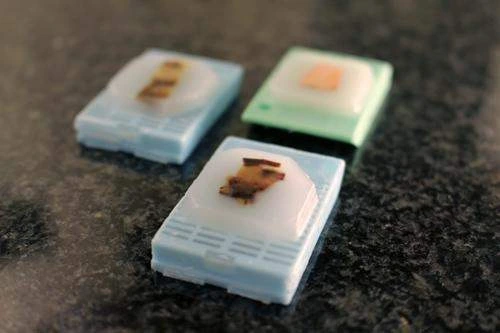
Formalin-Fixed Paraffin-Embedded (FFPE) tissue blocks are a fundamental component in histopathology, diagnostics, and biomedical research. These preserved tissue samples provide a reliable way to store biological specimens for long-term analysis while maintaining structural integrity. Widely used in hospitals, research laboratories, and academic institutions, FFPE tissue blocks play a critical role in disease diagnosis, cancer research, and molecular studies.
What is an FFPE Tissue Block?
An FFPE tissue block is a biological sample that has been preserved through a standardized process involving fixation in formalin and embedding in paraffin wax. This method stabilizes the tissue, prevents degradation, and allows it to be stored for extended periods without significant loss of cellular detail.
The process begins when a tissue sample is collected, often through biopsy or surgical removal. The specimen is then fixed in formalin, a solution that preserves proteins and cellular structures by preventing enzymatic breakdown. After fixation, the tissue is dehydrated using alcohol, cleared with a solvent like xylene, and finally infiltrated with molten paraffin wax. Once the wax solidifies, it forms a durable block that can be sliced into thin sections for microscopic examination.
Importance in Diagnostic Pathology
FFPE tissue blocks are essential in diagnostic pathology. Pathologists rely on these samples to examine tissue architecture, identify abnormalities, and diagnose diseases such as cancer. Thin sections cut from FFPE blocks are mounted on slides and stained using techniques like hematoxylin and eosin (H&E), enabling detailed visualization under a microscope.
One of the key advantages of FFPE samples is their ability to preserve cellular morphology. This allows pathologists to distinguish between normal and diseased tissues, determine tumor type, and assess disease progression. Because FFPE blocks can be stored for years, they also provide a valuable archive for retrospective studies and second opinions.
Role in Research and Molecular Studies
In addition to diagnostics, FFPE tissue block blocks are widely used in biomedical research. Researchers utilize these samples to study disease mechanisms, identify biomarkers, and develop new therapies. Advances in molecular biology have made it possible to extract DNA, RNA, and proteins from FFPE tissues, despite the cross-linking caused by formalin fixation.
Techniques such as immunohistochemistry (IHC), in situ hybridization (ISH), and next-generation sequencing (NGS) are commonly applied to FFPE samples. These methods enable scientists to analyze gene expression, detect mutations, and explore protein interactions within preserved tissues. As a result, FFPE blocks have become a valuable resource in fields like oncology, genomics, and personalized medicine.
Advantages of FFPE Tissue Blocks
FFPE tissue blocks offer several significant advantages:
- Long-Term Storage: FFPE samples can be stored at room temperature for many years without significant degradation.
- Preservation of Morphology: The fixation process maintains cellular structure, making it ideal for histological analysis.
- Wide Availability: Most clinical laboratories routinely prepare FFPE blocks, creating large repositories of samples.
- Compatibility with Multiple Techniques: FFPE tissues can be used for various analytical methods, including staining and molecular testing.
These benefits make FFPE tissue blocks a cost-effective and practical solution for both clinical and research applications.
Limitations and Challenges
Despite their many advantages, FFPE tissue blocks also have some limitations. The formalin fixation process can cause cross-linking of proteins and nucleic acids, which may affect the quality of extracted DNA and RNA. This can pose challenges for certain molecular analyses, particularly those requiring high-quality genetic material.
Additionally, variations in fixation time, processing methods, and storage conditions can impact sample quality. Over-fixation or improper handling may lead to degradation or loss of antigenicity, affecting the accuracy of diagnostic and research results.
To address these challenges, laboratories follow standardized protocols and quality control measures. Advances in technology have also improved methods for extracting and analyzing biomolecules from FFPE samples, making them more reliable for modern applications.
Applications in Personalized Medicine
FFPE tissue blocks are increasingly important in the era of personalized medicine. By analyzing genetic and molecular characteristics of a patient’s tissue, clinicians can tailor treatments to individual needs. For example, cancer therapies can be selected based on specific mutations identified in tumor samples stored as FFPE blocks.
This approach improves treatment outcomes and reduces unnecessary side effects. As precision medicine continues to evolve, the demand for high-quality FFPE samples is expected to grow.
Conclusion
FFPE tissue blocks remain a cornerstone of pathology and biomedical research. Their ability to preserve tissue structure and enable long-term storage makes them invaluable for diagnosis, research, and education. While challenges exist, ongoing advancements in technology are enhancing their utility and expanding their applications.
From routine clinical diagnostics to cutting-edge molecular studies, FFPE tissue blocks continue to play a vital role in advancing medical science and improving patient care.