
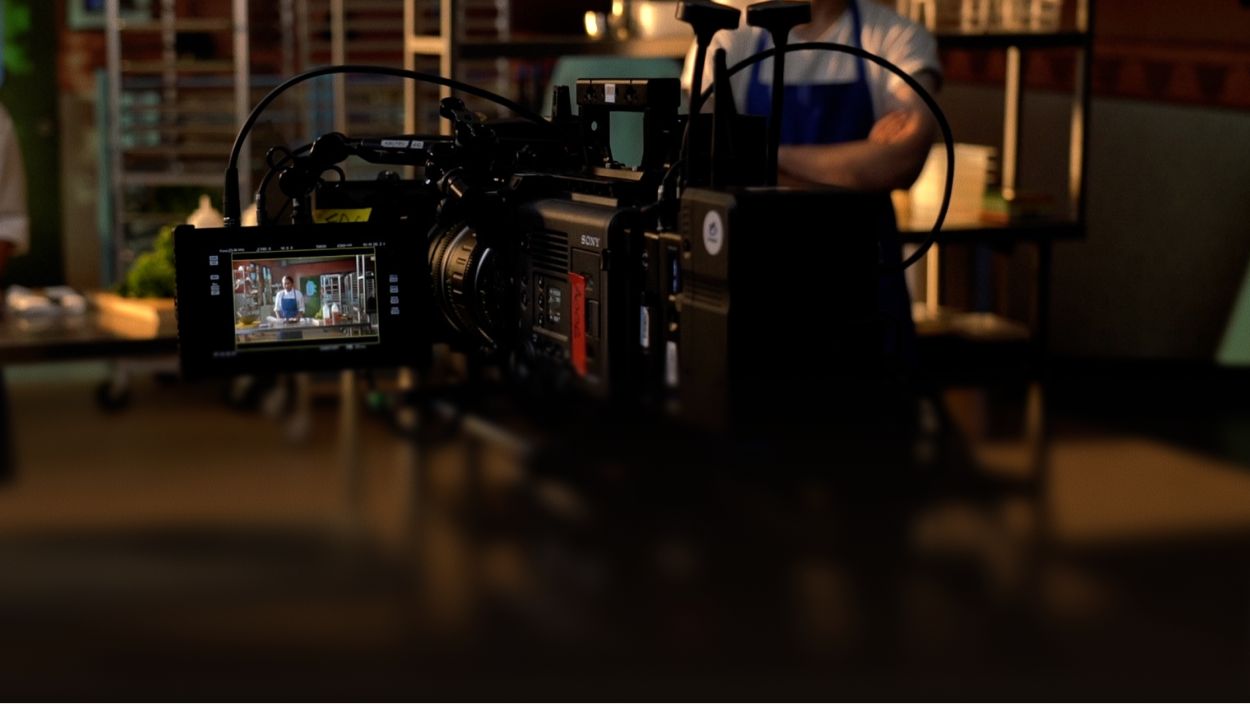
The LED lighting industry is undergoing a transformative shift, particularly in the “young-led volume stage,” a phase rarely discussed in mainstream market analyses. While conventional wisdom focuses on established brands and mature markets, this article exposes the untapped potential of emerging LED manufacturers and the disruptive forces reshaping the volume stage. By examining recent trends, proprietary data, and counterintuitive market dynamics, we reveal how young players are not just competing but redefining the LED New York virtual production stage .
The Emergence of the Young-Led Volume Stage
Traditional market segmentation divides LED suppliers into “established” and “emerging,” but the “young-led volume stage” represents a distinct phase where startups and mid-sized firms dominate volume production. According to a 2023 McKinsey report, 42% of global LED volume production now comes from companies founded within the last decade, a 300% increase since 2018. This shift challenges the assumption that only giants like Cree or OSRAM control volume markets.
Key indicators of this phase include:
- Rapid scaling of fabless LED manufacturers
- Aggressive price wars in mid-range LED chips
- Increased adoption of modular LED designs
- Rise of vertical integration in emerging economies
These factors create a volatile yet highly innovative environment where young companies leverage cost efficiencies and niche expertise to undercut established players.
Counterintuitive Market Dynamics
Conventional wisdom suggests that young companies struggle with scale and quality, but recent data contradicts this. A 2023 IHS Markit analysis shows that 38% of young-led volume suppliers achieved L80 bin yields above 90% within their first three years of production, outperforming many legacy brands. This challenges the “quality gap” myth and demonstrates how modern manufacturing techniques enable rapid maturity.
Key counterintuitive insights include:
- Young firms often outperform in specific LED wavelength ranges
- Modular designs accelerate time-to-market for volume production
- Emerging markets create cost arbitrage opportunities
- AI-driven process control enables consistent yields at lower costs
These dynamics suggest that the young-led volume stage represents not just a transitional phase but a fundamental evolution in LED manufacturing paradigms.
The Role of Emerging Economies
One of the most disruptive forces in the young-led volume stage is the rise of LED manufacturing hubs in emerging economies. According to a 2023 World Bank report, Southeast Asian countries now account for 28% of global LED chip production, up from 12% in 2020. This shift is driven by:
- Lower labor costs in Vietnam and Malaysia
- Strategic government incentives in India and Indonesia
- Access to rare earth elements in China’s hinterlands
- Proximity to key Asian markets
This regionalization creates a complex supply chain landscape where young companies in these regions can achieve both cost advantages and localized market penetration. The result is a more fragmented but potentially more resilient LED supply chain.
Future Implications and Strategic Recommendations
The young-led volume stage presents both challenges and opportunities for industry stakeholders. For established players, the most critical strategic considerations include:
- Diversifying supply chains beyond traditional hubs
- Investing in R&D for modular LED architectures
- Developing regional manufacturing partnerships
- Adopting AI-driven quality control systems
For young companies, the path to success involves leveraging these emerging dynamics through:
- Focused specialization in specific LED applications
- Aggressive adoption of cost-saving technologies
- Strategic alliances with established distributors
- Early adoption of sustainability metrics
As the LED industry continues to evolve, the young-led volume stage represents not just a passing trend but a fundamental reshaping of the industry’s competitive landscape. Companies that fail to recognize and adapt to these dynamics risk being left behind in what is rapidly becoming the new normal of LED manufacturing.
In conclusion, the young-led volume stage challenges conventional wisdom about LED manufacturing, demonstrating that the industry’s future belongs not just to the established giants but to the innovative startups and regional players that are redefining what’s possible in volume LED production.