
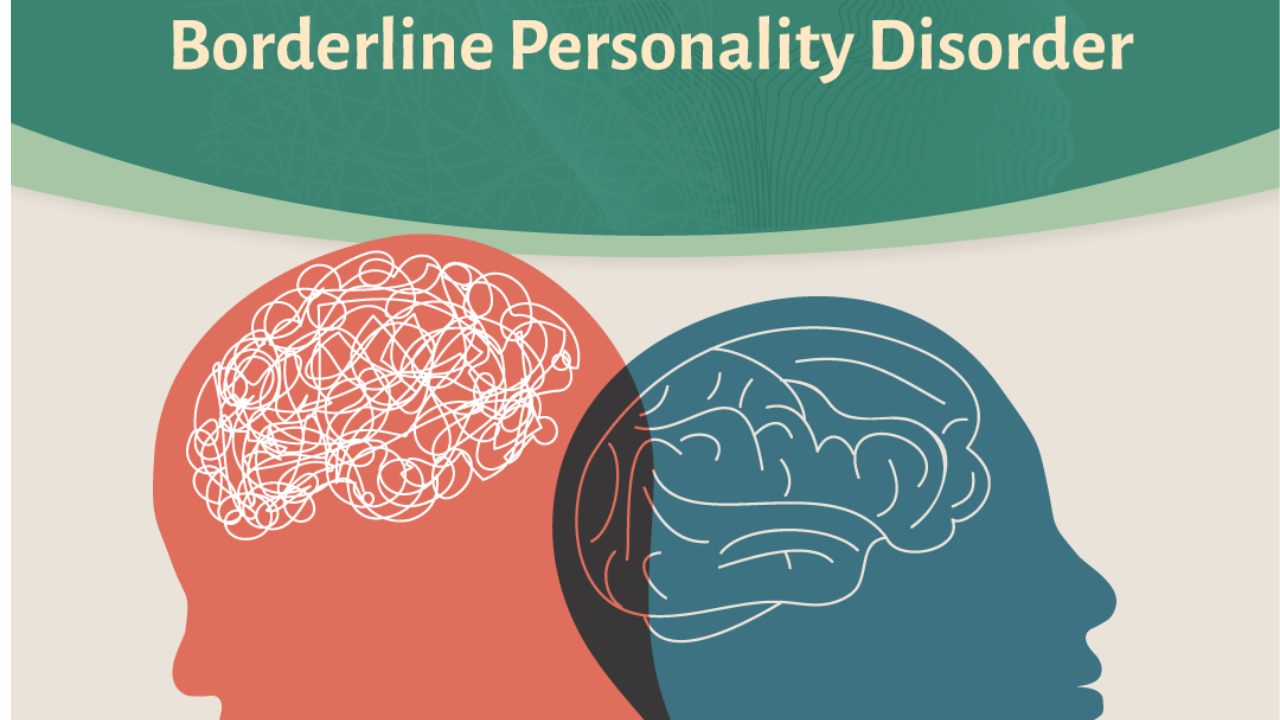
Borderline Personality Disorder (BPD) is a complex and often misunderstood mental health condition. Characterized by intense emotional instability, impulsive behavior, and difficulties in maintaining stable relationships, BPD affects approximately 1.6% of the general population, with higher prevalence among women. Despite its prevalence, the disorder is frequently stigmatized, leading to misconceptions and barriers in seeking effective treatment. Understanding BPD involves exploring its causes, identifying symptoms, navigating diagnosis, and learning about the treatment options available to manage the disorder.
Understanding Borderline Personality Disorder
Borderline Personality Disorder is classified as a cluster B personality disorder in the Diagnostic and Statistical Manual of Mental Disorders, Fifth Edition (DSM-5). Cluster B disorders are marked by dramatic, emotional, or erratic behaviors. Individuals with BPD often struggle with emotional regulation, experience intense episodes of anger, anxiety, or depression, and may have a distorted self-image. Relationships are often turbulent, with alternating periods of idealization and devaluation of others. The fear of abandonment is pervasive and may drive extreme efforts to avoid real or imagined rejection.
BPD is not merely “emotional overreaction” or a failure of character. It is a serious mental health condition rooted in a combination of genetic, neurobiological, and environmental factors. Left untreated, BPD can significantly impair daily functioning, but with proper intervention, individuals can achieve stability and lead fulfilling lives.
Causes of Borderline Personality Disorder
The exact cause of BPD remains complex and multifactorial. Current research points to the interaction of genetic predisposition, neurobiological differences, and environmental stressors.
1. Genetic Factors
Family and twin studies suggest a strong hereditary component to BPD. Individuals with a first-degree relative diagnosed with BPD are at higher risk of developing the disorder themselves. While no single gene has been identified as responsible, studies indicate that variations in genes affecting the regulation of serotonin—a neurotransmitter linked to mood and impulse control—may contribute to the disorder.
2. Neurobiological Factors
Brain imaging studies have revealed structural and functional differences in individuals with BPD. Areas involved in emotional regulation, such as the amygdala and prefrontal cortex, often show altered activity. The amygdala, responsible for processing emotional stimuli, may be hyperactive, leading to heightened emotional responses. Meanwhile, underactivity in the prefrontal cortex can impair impulse control and decision-making, contributing to the intense mood swings and impulsive behaviors characteristic of BPD.
3. Environmental and Psychosocial Factors
Environmental influences, particularly in early childhood, play a critical role in the development of BPD. Experiences such as childhood trauma, physical or sexual abuse, neglect, or exposure to unstable family dynamics can predispose an individual to developing BPD. Inconsistent or invalidating caregiving, where a child’s emotional experiences are dismissed or punished, may disrupt the development of healthy emotional regulation and self-concept, increasing vulnerability to BPD in adolescence or adulthood.
Symptoms and Diagnosis
BPD manifests through a wide range of symptoms that often overlap with other mental health disorders, which can make diagnosis challenging. According to the DSM-5, a diagnosis of BPD is made when an individual exhibits at least five of the following nine criteria:
- Fear of Abandonment: Extreme efforts to avoid real or imagined separation or rejection.
- Unstable Relationships: Patterns of intense and unstable relationships, often swinging between idealization and devaluation.
- Identity Disturbance: Markedly unstable self-image or sense of self.
- Impulsivity: Risky behaviors such as substance abuse, reckless driving, or binge eating.
- Self-Harming Behavior: Recurrent suicidal gestures, threats, or self-injury.
- Emotional Instability: Intense mood swings, irritability, or anxiety that may last hours or days.
- Chronic Feelings of Emptiness: Persistent feelings of boredom, emptiness, or meaninglessness.
- Inappropriate Anger: Difficulty controlling anger, frequent displays of temper, or recurrent physical fights.
- Transient Stress-Related Paranoia or Dissociation: Stress-induced paranoia or dissociative symptoms, such as feeling disconnected from reality.
Diagnosis is typically conducted by a mental health professional through structured interviews, clinical evaluation, and assessment of the patient’s history. BPD is often comorbid with other conditions, such as depression, anxiety disorders, post-traumatic stress disorder (PTSD), and substance use disorders, which makes comprehensive assessment crucial.
Treatment Options for BPD
While BPD can be challenging to treat, evidence-based interventions can significantly improve symptoms and quality of life. Treatment typically involves psychotherapy, medications, and supportive strategies.
1. Psychotherapy
Psychotherapy is the primary treatment for BPD, and several modalities have demonstrated effectiveness:
- Dialectical Behavior Therapy (DBT): Developed specifically for BPD, DBT focuses on teaching skills for emotional regulation, distress tolerance, interpersonal effectiveness, and mindfulness. DBT combines individual therapy with group skills training and has strong empirical support in reducing self-harm and suicidal behavior.
- Cognitive Behavioral Therapy (CBT): CBT helps individuals identify and modify distorted thought patterns and maladaptive behaviors. It is useful in addressing symptoms of depression, anxiety, and impulsivity that often accompany BPD.
- Mentalization-Based Therapy (MBT): MBT helps patients better understand their own and others’ mental states, improving emotional awareness and interpersonal relationships.
- Schema-Focused Therapy: This approach focuses on identifying and changing deeply ingrained negative patterns of thinking and behavior (“schemas”) that arise from unmet emotional needs in childhood.
2. Medications
No medications are specifically approved for BPD, but pharmacological treatment can help manage certain symptoms:
- Mood Stabilizers: May reduce mood swings and impulsivity.
- Antidepressants: Can alleviate symptoms of depression and anxiety.
- Antipsychotics: Low doses may help with severe emotional dysregulation or transient paranoia.
Medications are typically used as part of a broader treatment plan rather than as a stand-alone solution.
3. Supportive Strategies
Supportive interventions, lifestyle adjustments, and social support are also essential:
- Psychoeducation: Teaching patients and families about BPD can reduce stigma and improve treatment adherence.
- Peer Support Groups: Connecting with others experiencing similar challenges can provide validation and practical coping strategies.
- Self-Care Practices: Mindfulness, meditation, and regular exercise can help stabilize mood and reduce stress.
Challenges and Misconceptions
BPD is often stigmatized due to the intensity of its symptoms. Some common misconceptions include the belief that individuals with BPD are manipulative, attention-seeking, or untreatable. These misconceptions can discourage individuals from seeking help and contribute to social isolation. Educating the public and mental health professionals about the complexity of the disorder is critical for fostering empathy and effective treatment.
Prognosis
With appropriate treatment, many individuals with emotional regulation experience significant improvement over time. Research indicates that up to 75% of people diagnosed with BPD experience substantial symptom reduction over a 10-year period. Early intervention, commitment to therapy, and a strong support network increase the likelihood of long-term stability and improved quality of life.
Conclusion
Borderline Personality Disorder is a multifaceted mental health condition that arises from a combination of genetic, neurobiological, and environmental factors. Its hallmark features—emotional instability, impulsivity, and turbulent relationships—can profoundly impact an individual’s life. However, with accurate diagnosis and evidence-based treatment, including psychotherapy, medications, and supportive strategies, individuals with BPD can learn to manage their symptoms and cultivate meaningful, stable relationships. Reducing stigma and increasing awareness is crucial in encouraging timely intervention and helping those affected lead healthier, more fulfilling lives.