
Health & Fitness The Complete Guide to Orthodontists: Transforming Smiles and Boosting Confidence

The Complete Guide to Orthodontists: Transforming Smiles and Boosting Confidence

When it comes to oral health, most people are familiar with general dentists who handle routine care such as cleanings, fillings, and preventative treatments. However, for specialized treatments that focus on aligning teeth and correcting bite issues, an orthodontist is the expert to visit. Orthodontics is a branch of dentistry that deals specifically with diagnosing, preventing, and treating dental and facial irregularities. This guide will explore the role of an orthodontist, common treatments, benefits, and tips for selecting the right one for you or your family.


Who Is an Orthodontist?

An orthodontist is a dental specialist who has completed additional years of education and training beyond dental school. While general dentists focus on overall oral health, orthodontists specialize in correcting misaligned teeth, jaws, and bite patterns. They are trained to design and apply various dental appliances, such as braces and clear aligners, to move teeth into the desired positions gradually.

The path to becoming an orthodontist typically involves:

  1. Completing a bachelor’s degree (usually in a science-related field)
  2. Graduating from dental school (earning a DDS or DMD degree)
  3. Completing 2–3 years of specialized orthodontic residency training

This extensive training ensures that orthodontists are highly skilled in both functional and aesthetic aspects of teeth alignment. Their expertise goes beyond straightening teeth—they also focus on improving oral function and facial symmetry.


Common Reasons to Visit an Orthodontist

People of all ages may require orthodontic care. While orthodontic treatments are often associated with teenagers, adults increasingly seek treatments to improve their smiles and oral health. Common reasons to see an orthodontist include:

  1. Crowded or Crooked Teeth

    Misaligned teeth can make brushing and flossing difficult, increasing the risk of cavities and gum disease. An orthodontist can correct crowding to improve oral hygiene and appearance.
  2. Overbite, Underbite, or Crossbite

    These bite issues can cause jaw pain, difficulty chewing, and even speech problems. Orthodontists use specialized treatments to correct these functional concerns.
  3. Gaps Between Teeth

    Spaces between teeth may occur naturally or due to tooth loss. Closing gaps can enhance the smile aesthetically and prevent shifting of adjacent teeth.
  4. Jaw Alignment Issues

    Orthodontists often evaluate jaw growth and alignment, particularly in children, to prevent long-term complications such as TMJ disorders.
  5. Preparation for Other Dental Treatments

    Orthodontic treatment may be necessary before procedures like dental implants or bridges to ensure proper spacing and bite alignment.


Treatments Offered by Orthodontists

Orthodontists provide a variety of treatments tailored to meet individual needs. The choice of treatment depends on the severity of dental issues, age, and personal preference.

1. Traditional Metal Braces

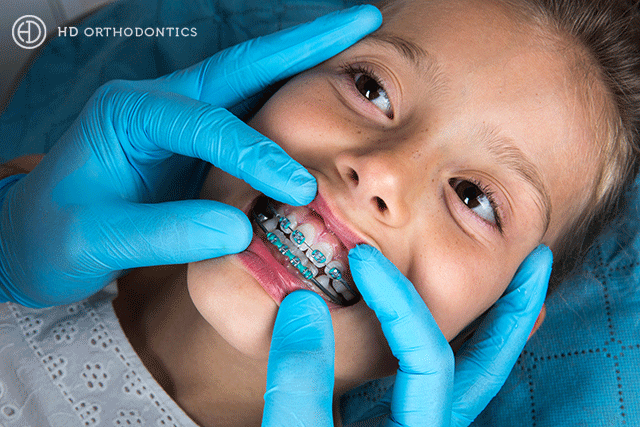
Metal braces are the most common orthodontic treatment. They consist of metal brackets attached to the teeth and connected by wires. Over time, the wires are tightened, gradually moving teeth into alignment. Despite being noticeable, modern braces are smaller, more comfortable, and more effective than ever before.

2. Ceramic Braces

Ceramic braces work similarly to metal braces but use tooth-colored or clear brackets, making them less conspicuous. They are a popular choice for those seeking a more aesthetically pleasing option without sacrificing effectiveness.

3. Lingual Braces

Lingual braces are placed on the inner surface of the teeth, making them virtually invisible from the outside. They require specialized expertise to install and maintain, making them less common but ideal for adults who prefer discreet treatment.

4. Clear Aligners

Clear aligners, such as Invisalign, are removable, transparent trays that gradually move teeth into the desired position. They offer flexibility for eating and cleaning, making them an increasingly popular alternative to traditional braces. Regular check-ups with an orthodontist ensure progress is monitored and adjustments are made as needed.

5. Retainers

After active orthodontic treatment, retainers are used to maintain teeth alignment and prevent relapse. Orthodontists design retainers based on individual treatment plans, which may include fixed or removable options.

6. Palatal Expanders

For children with narrow upper jaws, orthodontists may use palatal expanders to widen the mouth, creating more space for teeth to grow in proper alignment. This early intervention can reduce the need for more extensive treatments later.


Benefits of Seeing an Orthodontist

Visiting an orthodontist provides a wide range of benefits, both functional and aesthetic. Here are some of the most significant advantages:

1. Improved Oral Health

Straight teeth are easier to clean, reducing the risk of cavities, gum disease, and plaque buildup. Proper bite alignment also helps distribute chewing forces evenly, preventing excessive wear on certain teeth.

2. Enhanced Appearance

One of the most obvious benefits of orthodontic treatment is a straighter, more attractive smile. This can significantly boost confidence and self-esteem, affecting personal and professional interactions.

3. Corrected Bite and Jaw Alignment

Orthodontic treatments correct bite problems, reducing strain on the jaw muscles and preventing conditions such as temporomandibular joint (TMJ) disorders. Proper alignment also improves speech clarity and chewing efficiency.

4. Long-Term Dental Health

By addressing alignment issues early, orthodontists can prevent more serious dental problems in the future, potentially avoiding complex procedures like tooth extractions or jaw surgery.

2. Ceramic Braces

0

Orthodontists assess each patient individually, providing personalized treatment plans that consider age, dental structure, lifestyle, and aesthetic preferences.


Orthodontic Care for Children vs. Adults

2. Ceramic Braces

1

Early orthodontic evaluation is recommended around age 7, as this allows orthodontists to monitor jaw development and guide tooth growth. Treatments during childhood can prevent more severe problems later and often require shorter treatment times.

2. Ceramic Braces

2

Adult orthodontics has become increasingly common. Advances in treatment options, such as clear aligners and discreet braces, make it possible to achieve excellent results without drawing attention. While adults may face slightly longer treatment times due to denser jawbone structure, age is not a barrier to effective orthodontic care.


How to Choose the Right Orthodontist

Selecting the right orthodontist is critical to achieving successful outcomes. Here are some key factors to consider:

  1. Credentials and Experience

    Ensure the orthodontist is board-certified and has extensive experience in treating cases similar to yours.
  2. Treatment Options

    Look for an orthodontist who offers a range of treatments, from traditional braces to modern aligners, to find the best fit for your needs.
  3. Technology and Techniques

    Orthodontists who use advanced diagnostic tools, 3D imaging, and digital treatment planning can provide more accurate and efficient care.
  4. Patient Reviews and Testimonials

    Reading feedback from previous patients can offer insights into the orthodontist’s professionalism, results, and office environment.
  5. Comfort and Communication

    A good orthodontist in Riverside takes time to explain treatment options, answer questions, and ensure you feel comfortable throughout the process.
  6. Cost and Insurance Options

    Orthodontic treatment can be a significant investment. Discuss payment plans, insurance coverage, and financing options before committing.


The Orthodontic Treatment Process

The process of receiving orthodontic care generally follows several stages:

  1. Initial Consultation

    The orthodontist evaluates teeth, jaws, and bite, often using X-rays, photographs, and dental impressions. They discuss treatment options, timelines, and expected outcomes.
  2. Treatment Planning

    A customized treatment plan is created, outlining the recommended appliances, duration, and goals.
  3. Active Treatment

    This stage involves wearing braces, aligners, or other devices. Regular adjustments and monitoring ensure teeth move correctly.
  4. Retention Phase

    Once the desired results are achieved, retainers are provided to maintain alignment and prevent relapse.


Myths and Misconceptions About Orthodontists

Despite widespread awareness, some misconceptions about orthodontic treatment persist:

  • Myth 1: Only teenagers need braces.

    Reality: Adults can also benefit from orthodontic treatment, and many seek it for aesthetic and functional improvements.
  • Myth 2: Braces are painful.

    Reality: Modern orthodontic techniques are designed to minimize discomfort. Some soreness may occur after adjustments, but it is usually manageable.
  • Myth 3: Treatment takes too long.

    Reality: Treatment duration varies depending on complexity. With advances in technology, some cases can achieve results faster than in the past.
  • Myth 4: Orthodontists only straighten teeth for cosmetic reasons.

    Reality: Orthodontists correct bite issues, improve oral health, and enhance overall dental function, in addition to improving appearance.


Conclusion

An orthodontist plays a vital role in maintaining both the aesthetics and functionality of your teeth and jaw. From traditional braces to modern clear aligners, orthodontic treatments are designed to meet individual needs at any age. Regular visits to an orthodontist not only enhance your smile but also prevent long-term dental issues, improve oral hygiene, and boost confidence. By understanding the different treatment options, benefits, and how to choose the right professional, you can make informed decisions about your orthodontic care.

Whether you are a parent seeking the best care for your child, a teenager ready to straighten your teeth, or an adult considering a smile makeover, consulting an orthodontist is the first step toward achieving optimal oral health and a radiant, confident smile.

Leave a Reply

Your email address will not be published. Required fields are marked *

Related Post

Safe and Comfortable In-Home Senior Care Services in El Paso, TXSafe and Comfortable In-Home Senior Care Services in El Paso, TX


Many families in El Paso, TX, face a common challenge: how to ensure their aging loved ones receive the care they need without leaving the comfort of home. Nursing facilities and assisted living centers may feel overwhelming or impersonal, and the thought of moving a parent or grandparent away from familiar surroundings can be stressful. Families often struggle to balance work, daily responsibilities, and caregiving, creating a need for reliable support that prioritizes both safety and comfort.

Thankfully, there is a better solution. Professional in-home senior care services in El Paso provide a way for older adults to age gracefully while maintaining independence. By offering assistance with daily tasks, companionship, and specialized care, these services bring peace of mind to families while keeping seniors in the place they love most—their own homes. This approach ensures that seniors can continue enjoying meaningful routines, personalized attention, and a high quality of life.

That’s where trusted local providers like safe and comfortable in-home senior care services in El Paso, TX make a difference. With dedicated caregivers, flexible support plans, and a compassionate approach, seniors receive the right care for their unique needs. Families can rest assured knowing their loved ones are not only safe but also thriving with attentive care tailored just for them.

Why In-Home Care Is the Preferred Choice for Seniors

Seniors overwhelmingly prefer to remain at Home Care El Paso as they age, and in-home care services make that possible. Beyond offering convenience, professional care provides a blend of independence and support that’s hard to find in institutional settings. Key benefits include:

  • Personalized Attention: Care plans are tailored to the individual’s health, personality, and lifestyle.

  • Comfort of Home: Seniors remain surrounded by familiar routines and cherished memories.

  • Improved Safety: Trained caregivers reduce risks by assisting with mobility, medications, and daily tasks.

  • Emotional Support: Companionship helps reduce loneliness and encourages social engagement.

  • Flexible Scheduling: Families can choose hourly, daily, or round-the-clock care depending on needs.

This personalized and flexible approach ensures seniors live safely and comfortably without sacrificing their independence.

Compassionate Caregivers, Professional Support

Behind every successful in-home care service are skilled caregivers who go above and beyond to provide compassionate support. Families in El Paso can expect caregivers who are background-checked, trained, and committed to treating seniors with dignity and respect. Whether it’s preparing meals, offering transportation, or providing specialized dementia care, caregivers bring not just assistance, but meaningful companionship that enhances daily life.

Peace of Mind for Families in El Paso

Caring for a senior loved one can feel overwhelming without professional help. With safe and reliable in-home care services, families can step back from the stress of constant caregiving and focus on enjoying quality time together. Knowing that a trusted professional is providing care brings families much-needed peace of mind while ensuring seniors receive consistent and reliable support.

Conclusion

For families seeking safe and comfortable solutions for aging loved ones, in-home senior care services in El Paso, TX offer the perfect balance of independence, compassion, and security. With personalized plans, professional caregivers, and a commitment to dignity, seniors can thrive at home while families rest easy. Choosing in-home care is more than a service—it’s a pathway to better quality of life for seniors and reassurance for their loved ones.

Orthodontist Guide to Clear Aligners vs Metal BracesOrthodontist Guide to Clear Aligners vs Metal Braces

A straight, confident smile can make a world of difference—but choosing the right orthodontic treatment can feel overwhelming. With so many options available today, two of the most popular solutions are clear aligners and traditional metal braces. Each has its own advantages, and the right choice depends on your lifestyle, dental needs, and personal preferences. This guide, from an orthodontist’s perspective, will help you understand the key differences, benefits, and considerations for each

Understanding the Basics

Before comparing, it’s important to understand what each option involves:

Metal Braces

Metal braces are the traditional orthodontic solution. They consist of brackets attached to your teeth, connected by wires and sometimes rubber bands. Over time, adjustments move your teeth into proper alignment.

Clear Aligners

Clear aligners, often made from smooth, transparent plastic, are removable trays that gradually shift your teeth into place. Popular brands offer a discreet alternative to metal braces, often favored by adults and teens seeking a less noticeable treatment.

1. Appearance and Discretion

One of the most obvious differences between the two is appearance.

Metal Braces

  • Highly visible due to metal brackets and wires

  • Can be customized with colored bands for teens who want to personalize their look

Clear Aligners

  • Virtually invisible when worn

  • Ideal for adults or anyone who prefers a subtle, professional appearance

  • Can be removed for special occasions

For patients concerned about aesthetics, clear aligners provide a confidence boost without drawing attention to the teeth.

2. Comfort and Feel

Comfort can play a major role in your daily experience during treatment.

Metal Braces

  • Brackets and wires may cause initial irritation to the cheeks and lips

  • Adjustments can lead to temporary soreness

  • Protective wax can help reduce discomfort

Clear Aligners

  • Smooth plastic design minimizes irritation

  • Removable trays allow for easier eating and oral hygiene

  • Some pressure is felt when switching to a new set of aligners, but it’s usually mild

While both methods can cause minor discomfort, many patients find clear aligners easier to adapt to in day-to-day life.

3. Oral Hygiene

Keeping your teeth clean is crucial during orthodontic treatment.

Metal Braces

  • Food can get trapped in brackets and wires, increasing the risk of cavities and gum disease

  • Requires careful brushing, flossing, and sometimes special tools like floss threaders or water flossers

Clear Aligners

  • Removable trays make brushing and flossing simple

  • Easier to maintain excellent oral hygiene

  • Trays must be cleaned regularly to prevent staining and odor

Clear aligners generally make it simpler to maintain oral health throughout treatment.

4. Treatment Duration

The time it takes to achieve results can vary based on your dental needs.

Metal Braces

  • Often effective for complex or severe cases

  • Average treatment time is typically 18–24 months but can be shorter or longer depending on individual needs

Clear Aligners

  • Most mild to moderate cases can be treated in 12–18 months

  • Requires strict compliance—aligners must be worn 20–22 hours per day

  • Non-compliance can extend treatment time

Both options are effective, but metal braces may be preferred for more complicated cases.

5. Lifestyle and Convenience

Your daily routine can influence which option is best.

Metal Braces

  • Fixed appliances, so no need to remember to wear them

  • Some foods are restricted to avoid damaging brackets and wires

Clear Aligners

  • Removable trays allow you to eat, drink, and brush normally

  • Requires discipline to wear aligners consistently

  • Can be removed for special occasions or sports

Clear aligners offer flexibility, but success depends on commitment.

6. Cost Considerations

Cost varies depending on complexity, duration, and the orthodontist’s office.

Metal Braces

  • Often slightly less expensive than clear aligners

  • Insurance coverage may be more straightforward

Clear Aligners

  • Can be comparable or slightly higher in cost

  • Offers aesthetic and lifestyle advantages that many patients find worth the investment

Discussing your budget with your orthodontist can help determine the most practical option.

Final Thoughts

Both clear aligners and metal braces are effective solutions for achieving a healthy, straight smile. Metal braces are a reliable choice for complex cases and provide consistent results, while clear aligners offer discretion, comfort, and flexibility, making them ideal for patients concerned about appearance and lifestyle.

The best choice depends on your unique needs, dental complexity, and personal preferences. Consulting an top rated orthodontist in Papillion ensures that your treatment is tailored to you—giving you the confidence, health, and smile you’ve always wanted.

No matter which option you choose, the ultimate goal is the same: a beautiful, functional smile that lasts a lifetime.

Comparing Health Insurance Options in FloridaComparing Health Insurance Options in Florida

When you’re navigating the complex world of health insurance options in Florida, it’s crucial to understand the differences between plans like HMOs, PPOs, and EPOs. Each type offers unique benefits and limitations that can significantly impact your healthcare experience and costs. You’ll want to consider your personal needs, from regular doctor visits to potential out-of-pocket expenses, as you explore various providers. But how do you determine which plan truly fits your lifestyle and budget? Let’s take a closer look at the key factors that can guide your decision-making process.

Types of Health Insurance Plans

When navigating health insurance options in Florida, it’s essential to understand the different types of health insurance plans available to you.

First up, you’ll encounter Health Maintenance Organizations (HMOs). These plans require you to choose a primary care physician (PCP) who coordinates your care and refers you to specialists. While they often have lower premiums, you’ll need to use their network of providers.

Next, there are Preferred Provider Organizations (PPOs). With a PPO, you have more flexibility when choosing healthcare providers and specialists, without needing a referral. However, this convenience usually comes with higher premiums and out-of-pocket costs.

Another option is Exclusive Provider Organizations (EPOs). EPOs combine features of both HMOs and PPOs, requiring you to use a network of providers but allowing you to see specialists without referrals.

Lastly, you’ll find High Deductible bradesco saude Plans (HDHPs), which typically feature lower premiums and higher deductibles. These plans are often paired with Health Savings Accounts (HSAs) that let you save for medical expenses tax-free.

Understanding these options will help you make informed decisions about your health coverage in Florida.

Key Factors to Consider

Choosing the right health insurance plan in Florida involves several key factors that can significantly impact your coverage and costs.

First, consider your healthcare needs. Think about regular doctor visits, prescription medications, and any ongoing treatments. This will help you determine the level of coverage you require.

Next, evaluate the plan’s premiums and out-of-pocket costs. A lower premium might seem appealing, but it could come with higher deductibles or copayments, leading to increased costs when you need care.

Balance your monthly budget with potential medical expenses.

Another factor is the network of providers. Ensure your preferred doctors and hospitals are included in the plan’s network. Out-of-network care can be costly and may not be covered at all.

Also, pay attention to the plan’s benefits and exclusions. Some plans may cover specific services, like mental health or wellness programs, while others might not.

Understanding these details is crucial for making an informed choice.

Popular Health Insurance Providers

Navigating the landscape of health insurance providers in Florida can feel overwhelming, but knowing your options can make the process smoother. Several popular health insurance providers cater to diverse needs, making it easier for you to find a plan that fits your lifestyle.

UnitedHealthcare is a prominent choice, offering a wide range of plans, including HMOs and PPOs. They’re known for their extensive network and digital tools that help you manage your health.

Blue Cross Blue Shield of Florida is another trusted option, providing comprehensive coverage and strong customer support, which can be particularly beneficial when navigating complex healthcare needs.

Humana stands out for their wellness programs and preventive care services, helping you stay healthy while managing costs.

Aetna is also worth considering, especially if you prioritize telehealth services and personalized care options.

Lastly, Cigna offers flexibility and a variety of plans that can suit families and individuals alike.

With these providers, you can explore different coverage types and benefits, allowing you to make an informed decision tailored to your unique health needs.

Cost Comparison Strategies

Understanding the costs associated with health insurance is crucial, as it directly impacts your budget and access to care. To make informed decisions, start by evaluating the monthly premiums of different plans. Lower premiums might seem appealing, but they can come with higher deductibles or out-of-pocket expenses, so look at the total cost of care over the year.

Next, consider the coverage details. Review what services are included, such as preventive care, specialist visits, and prescription drugs. A plan might’ve a low premium but limited coverage, leading to higher costs when you need care.

Don’t forget to check the provider networks. If your preferred doctors or hospitals aren’t in-network, you might face higher costs for their services.

Also, assess the copayments and coinsurance rates; these can vary significantly between plans.

Enrollment Process and Tips

The enrollment process for health insurance in Florida can feel overwhelming, but it doesn’t have to be. Start by determining your eligibility for different plans, whether it’s through your employer, the Health Insurance Marketplace, or Medicaid. Gather necessary documents like income statements and identification to streamline the process.

Next, explore your options. Take time to compare plans based on coverage, premiums, deductibles, and out-of-pocket costs. Use online tools or brokers for assistance if needed.

Once you’ve narrowed down your choices, it’s time to fill out the application. Be thorough and accurate to avoid delays.

Don’t forget to pay attention to key deadlines. Open enrollment periods vary depending on the type of insurance, so mark your calendar to ensure you don’t miss your chance.

If you qualify for special enrollment periods due to life changes, make sure to act quickly.

Frequently Asked Questions

What Are the Tax Implications of Health Insurance in Florida?

Health insurance in Florida can impact your taxes significantly. Premiums may be tax-deductible if you itemize, and some plans offer Health Savings Accounts, which provide tax benefits. Always check with a tax advisor for personalized advice.

Can I Switch Plans Mid-Year if My Needs Change?

Yes, you can switch plans mid-year if your needs change, but it depends on your specific situation. Check your current plan’s guidelines and any qualifying events that might allow you to make a change.

How Do Pre-Existing Conditions Affect My Coverage Options?

Pre-existing conditions can impact your coverage options. Insurers might charge higher premiums or impose waiting periods. However, under certain laws, you can’t be denied coverage based on these conditions, so it’s essential to explore your choices.

Are There Any Specific Florida Health Insurance Regulations I Should Know?

You should know that Florida has regulations ensuring coverage for essential health benefits, prohibits lifetime limits, and mandates coverage for individuals with pre-existing conditions. Familiarize yourself with these rules to make informed insurance decisions.

What Resources Are Available for Health Insurance Assistance in Florida?

You can access resources like the Florida Department of Financial Services, local insurance agents, and community health centers. Online platforms, including healthcare.gov, also provide valuable guidance to help you navigate your health insurance options effectively.

Conclusion

In conclusion, comparing health insurance options in Florida can feel overwhelming, but it doesn’t have to be. By understanding the different plan types, key factors to consider, and the costs involved, you can find a plan that meets your needs. Don’t hesitate to use online tools or seek help from brokers to make an informed choice. Remember, the right health insurance can provide peace of mind and protect your health without breaking the bank.

Drug and Substance AddictionDrug and Substance Addiction

Drug and substance addiction is a complex and widespread issue that affects millions of people across the world. It is not simply a matter of weak willpower or poor decision-making, but rather a chronic condition that involves changes in brain function, behavior, and emotional health. Addiction can impact individuals from all walks of life, regardless of age, gender, or socioeconomic status, and its consequences often extend beyond the individual to families, communities, and society as a whole.

Understanding Addiction

Addiction is characterized by the compulsive use of a substance despite harmful consequences. Substances commonly associated with addiction include alcohol, nicotine, prescription medications, and illegal drugs such as cocaine, heroin, and methamphetamine. Over time, repeated use of these substances alters the brain’s reward system, making it increasingly difficult for individuals to experience pleasure without the substance.

The brain releases a chemical called dopamine when a person engages in pleasurable activities. Drugs artificially stimulate this release, creating intense feelings of euphoria. As the brain becomes accustomed to these high levels of dopamine, it starts to rely on the substance to feel normal. This leads to tolerance, where larger amounts of the substance are needed to achieve the same effect, and dependence, where the body cannot function properly without it.

Causes and Risk Factors

There is no single cause of addiction. Instead, it develops due to a combination of genetic, environmental, and psychological factors. Genetics can play a significant role, as individuals with a family history of addiction may be more vulnerable. Environmental influences such as peer pressure, exposure to substance use, and stressful living conditions can also increase the risk.

Mental health disorders, including depression, anxiety, and trauma-related conditions, are closely linked to addiction. Many individuals turn to substances as a way to cope with emotional pain or stress. Unfortunately, this coping mechanism often worsens the underlying issues, creating a vicious cycle that is difficult to break.

Signs and Symptoms

Recognizing the signs of addiction is crucial for early intervention. Common symptoms include a strong craving for the substance, inability to control use, neglect of responsibilities, and continued use despite negative consequences. Physical signs may include changes in appetite, sleep patterns, and overall health.

Behavioral changes are also common. Individuals struggling with Addiction Therapy London may withdraw from family and friends, lose interest in activities they once enjoyed, and engage in risky or illegal behaviors. Emotional instability, irritability, and mood swings are also frequent indicators.

Effects on Health and Life

The impact of drug and substance addiction can be devastating. Physically, it can lead to serious health problems such as liver disease, heart issues, respiratory problems, and neurological damage. In severe cases, overdose can result in death.

Psychologically, addiction often contributes to mental health disorders, worsening conditions like depression and anxiety. Socially, it can strain relationships, lead to job loss, and cause financial difficulties. Legal problems are also common, particularly when substance use leads to criminal behavior.

Families of individuals with addiction often experience emotional stress, conflict, and a sense of helplessness. Children in such environments may face neglect or trauma, increasing their own risk of developing substance use issues later in life.

Treatment and Recovery

Despite its challenges, addiction is treatable. Recovery is a long-term process that requires commitment, support, and often professional intervention. Treatment typically involves a combination of medical care, therapy, and lifestyle changes.

Detoxification is often the first step, allowing the body to eliminate the substance. This process can be physically and emotionally difficult, and medical supervision is usually recommended. Following detox, rehabilitation programs provide structured support, including counseling and behavioral therapies.

Cognitive-behavioral therapy (CBT) is one of the most effective approaches, helping individuals identify and change harmful thought patterns and behaviors. Support groups, such as peer recovery programs, also play a crucial role by providing encouragement and a sense of community.

Medication may be prescribed in some cases to manage withdrawal symptoms, reduce cravings, or treat co-occurring mental health conditions. However, medication alone is rarely sufficient and is most effective when combined with therapy.

Prevention Strategies

Preventing drug and substance addiction requires a proactive approach that addresses both individual and societal factors. Education is one of the most powerful tools. By raising awareness about the risks and consequences of substance use, individuals can make more informed decisions.

Strong family support and open communication can significantly reduce the likelihood of addiction. Parents and caregivers play a key role in guiding young people and helping them develop healthy coping mechanisms. Schools and community programs also contribute by promoting life skills, resilience, and positive social connections.

Addressing mental health issues early is another important aspect of prevention. Providing access to counseling and mental health services can help individuals manage stress and emotional challenges without resorting to substance use.

Breaking the Stigma

One of the biggest barriers to treatment is the stigma surrounding addiction. Many people view it as a moral failing rather than a medical condition, which can discourage individuals from seeking help. Changing this perception is essential for effective prevention and treatment.

Compassion, understanding, and support are crucial in helping those affected by addiction. By recognizing it as a health issue, society can create a more supportive environment that encourages recovery rather than judgment.

Conclusion

Drug and substance addiction is a serious and multifaceted problem that requires a comprehensive response. It affects not only individuals but also families and communities, making it a significant public health concern. Understanding the causes, recognizing the signs, and promoting effective treatment and prevention strategies are key steps in addressing this issue.

Recovery is possible, and many individuals successfully overcome addiction with the right support and resources. By fostering awareness, reducing stigma, and prioritizing mental health, society can move toward a future where fewer people are affected by the devastating consequences of substance addiction.

How to Get the Most Out of Your Essential Oil DiffuserHow to Get the Most Out of Your Essential Oil Diffuser

You’ve invested in an essential oil diffuser, but are you really reaping its benefits? Chances are, you’re not getting the most out of it. With a little know-how, you can unlock the full potential of your diffuser and elevate your wellness routine. By mastering simple maintenance habits, selecting the right oils, and customizing your diffusing experience, you’ll be amazed at the difference it can make. But where do you start?

Mastering Diffuser Maintenance Essentials

Regularly cleaning your essential oil diffuser is crucial to ensure it continues to function properly and prevent bacterial growth.

You’ll want to clean your diffuser every 1-2 weeks, or more often if you use it daily. Start by turning off and unplugging your diffuser, then disassemble it according to the manufacturer’s instructions.

Use a soft cloth or brush to wipe away any dust, dirt, or oil residue from the exterior and interior surfaces.

For more thorough cleaning, mix equal parts water and white vinegar in the diffuser tank, and let it run for 5-10 minutes. This will help break down any mineral deposits and kill bacteria.

After cleaning, rinse the diffuser thoroughly with water and let it air dry before reassembling.

Selecting the Right Essential Oils

With your diffuser clean and ready to go, it’s time to focus on the fun part: selecting the right essential oils for your needs.

You’ll want to choose oils that align with your goals, whether that’s relaxation, energy, or something else. Consider what you’re trying to achieve and research oils that are known to support those benefits. For example, lavender is calming, while peppermint is invigorating.

You can also think about your personal preferences, like your favorite scents or the types of oils you’ve had success with in the past.

When selecting essential oils, make sure to choose high-quality, pure oils from reputable brands.

Check the label for ingredients, extraction methods, and expiration dates. Be wary of oils with additives, artificial fragrances, or unclear labeling. You get what you pay for, so be prepared to invest in good-quality oils.

Customizing Your Diffusing Experience

Since you’ve chosen your essential oils, it’s time to customize your diffusing experience to suit your unique needs and preferences.

You can experiment with different blends to create unique scents that promote relaxation, energy, or focus. Start by mixing two to three oils in small amounts to see how they interact.

You can also adjust the amount of oil you add to your diffuser based on the size of your space and your personal sensitivity.

If you’re using your diffuser in a small room, you may want to start with a few drops and adjust as needed. In larger spaces, you can add more https://topcoconutoil.com/ for a stronger scent.

Consider the time of day you’re using your diffuser, too. For example, you may want a more energizing blend in the morning and a calming blend at night.

Avoiding Common Diffuser Mistakes

Now that you’ve tailored your diffusing experience to your unique needs, it’s equally important to avoid common mistakes that can undermine the effectiveness of your essential oil diffuser.

One common mistake isn’t cleaning your diffuser regularly. Failing to do so can lead to the buildup of bacteria and mold, which can compromise the quality of your essential oils and even affect your health.

Make sure to clean your diffuser every 1-2 weeks with a mixture of water and vinegar.

Another mistake is over-diffusing. Using too much oil or running the diffuser for too long can lead to overpowering scents and potentially irritating your skin or respiratory system.

Start with a small amount of oil and gradually increase as needed. Also, be mindful of the diffuser’s capacity and avoid overfilling it.

Unlocking Diffuser Benefits by Mode

Your essential oil diffuser likely comes with multiple modes, and understanding how to harness these settings can elevate your diffusing experience.

You might’ve noticed that your device has options like continuous mist, interval mist, or night light mode – but do you know when to use each?

Continuous mist mode is perfect for when you need a strong, consistent aroma. This setting releases a steady stream of mist into the air, making it ideal for combating stress, promoting focus, or alleviating congestion.

Interval mist mode, on the other hand, releases mist in short bursts, which can be more energy-efficient and help prolong the life of your diffuser. This setting is great for maintaining a subtle, long-lasting scent in your space.

Night light mode is often used for its calming ambiance, making it perfect for a peaceful bedtime routine.

Some diffusers also come with a built-in timer, allowing you to set a specific duration for your diffusing session. Experiment with different modes to find what works best for you and your unique needs.

Conclusion

You’ve now got the keys to unlocking the full potential of your essential oil diffuser. By following these simple tips, you’ll be able to create a tailored experience that enhances your mood, boosts energy, and promotes relaxation. Remember to maintain your diffuser regularly, choose high-quality oils, and experiment with blends to find what works best for you. With these basics mastered, you’ll be well on your way to enjoying the many benefits that essential oil diffusers have to offer.