
Health & Fitness The Complete Guide to Orthodontists: Transforming Smiles and Boosting Confidence

The Complete Guide to Orthodontists: Transforming Smiles and Boosting Confidence

When it comes to oral health, most people are familiar with general dentists who handle routine care such as cleanings, fillings, and preventative treatments. However, for specialized treatments that focus on aligning teeth and correcting bite issues, an orthodontist is the expert to visit. Orthodontics is a branch of dentistry that deals specifically with diagnosing, preventing, and treating dental and facial irregularities. This guide will explore the role of an orthodontist, common treatments, benefits, and tips for selecting the right one for you or your family.


Who Is an Orthodontist?

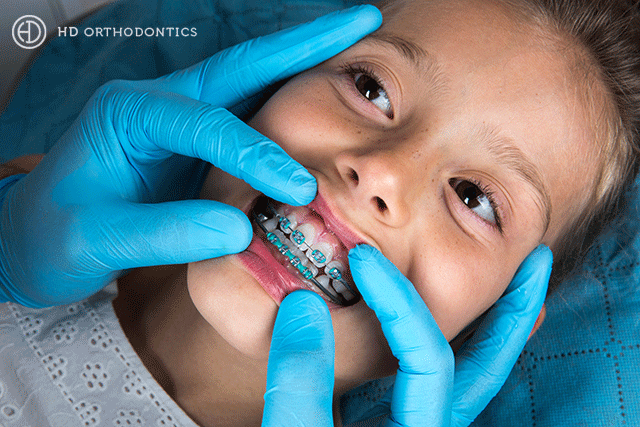
An orthodontist is a dental specialist who has completed additional years of education and training beyond dental school. While general dentists focus on overall oral health, orthodontists specialize in correcting misaligned teeth, jaws, and bite patterns. They are trained to design and apply various dental appliances, such as braces and clear aligners, to move teeth into the desired positions gradually.

The path to becoming an orthodontist typically involves:

  1. Completing a bachelor’s degree (usually in a science-related field)
  2. Graduating from dental school (earning a DDS or DMD degree)
  3. Completing 2–3 years of specialized orthodontic residency training

This extensive training ensures that orthodontists are highly skilled in both functional and aesthetic aspects of teeth alignment. Their expertise goes beyond straightening teeth—they also focus on improving oral function and facial symmetry.


Common Reasons to Visit an Orthodontist

People of all ages may require orthodontic care. While orthodontic treatments are often associated with teenagers, adults increasingly seek treatments to improve their smiles and oral health. Common reasons to see an orthodontist include:

  1. Crowded or Crooked Teeth

    Misaligned teeth can make brushing and flossing difficult, increasing the risk of cavities and gum disease. An orthodontist can correct crowding to improve oral hygiene and appearance.
  2. Overbite, Underbite, or Crossbite

    These bite issues can cause jaw pain, difficulty chewing, and even speech problems. Orthodontists use specialized treatments to correct these functional concerns.
  3. Gaps Between Teeth

    Spaces between teeth may occur naturally or due to tooth loss. Closing gaps can enhance the smile aesthetically and prevent shifting of adjacent teeth.
  4. Jaw Alignment Issues

    Orthodontists often evaluate jaw growth and alignment, particularly in children, to prevent long-term complications such as TMJ disorders.
  5. Preparation for Other Dental Treatments

    Orthodontic treatment may be necessary before procedures like dental implants or bridges to ensure proper spacing and bite alignment.


Treatments Offered by Orthodontists

Orthodontists provide a variety of treatments tailored to meet individual needs. The choice of treatment depends on the severity of dental issues, age, and personal preference.

1. Traditional Metal Braces

Metal braces are the most common orthodontic treatment. They consist of metal brackets attached to the teeth and connected by wires. Over time, the wires are tightened, gradually moving teeth into alignment. Despite being noticeable, modern braces are smaller, more comfortable, and more effective than ever before.

2. Ceramic Braces

Ceramic braces work similarly to metal braces but use tooth-colored or clear brackets, making them less conspicuous. They are a popular choice for those seeking a more aesthetically pleasing option without sacrificing effectiveness.

3. Lingual Braces

Lingual braces are placed on the inner surface of the teeth, making them virtually invisible from the outside. They require specialized expertise to install and maintain, making them less common but ideal for adults who prefer discreet treatment.

4. Clear Aligners

Clear aligners, such as Invisalign, are removable, transparent trays that gradually move teeth into the desired position. They offer flexibility for eating and cleaning, making them an increasingly popular alternative to traditional braces. Regular check-ups with an orthodontist ensure progress is monitored and adjustments are made as needed.

5. Retainers

After active orthodontic treatment, retainers are used to maintain teeth alignment and prevent relapse. Orthodontists design retainers based on individual treatment plans, which may include fixed or removable options.

6. Palatal Expanders

For children with narrow upper jaws, orthodontists may use palatal expanders to widen the mouth, creating more space for teeth to grow in proper alignment. This early intervention can reduce the need for more extensive treatments later.


Benefits of Seeing an Orthodontist

Visiting an orthodontist provides a wide range of benefits, both functional and aesthetic. Here are some of the most significant advantages:

1. Improved Oral Health

Straight teeth are easier to clean, reducing the risk of cavities, gum disease, and plaque buildup. Proper bite alignment also helps distribute chewing forces evenly, preventing excessive wear on certain teeth.

2. Enhanced Appearance

One of the most obvious benefits of orthodontic treatment is a straighter, more attractive smile. This can significantly boost confidence and self-esteem, affecting personal and professional interactions.

3. Corrected Bite and Jaw Alignment

Orthodontic treatments correct bite problems, reducing strain on the jaw muscles and preventing conditions such as temporomandibular joint (TMJ) disorders. Proper alignment also improves speech clarity and chewing efficiency.

4. Long-Term Dental Health

By addressing alignment issues early, orthodontists can prevent more serious dental problems in the future, potentially avoiding complex procedures like tooth extractions or jaw surgery.

2. Ceramic Braces

0

Orthodontists assess each patient individually, providing personalized treatment plans that consider age, dental structure, lifestyle, and aesthetic preferences.


Orthodontic Care for Children vs. Adults

2. Ceramic Braces

1

Early orthodontic evaluation is recommended around age 7, as this allows orthodontists to monitor jaw development and guide tooth growth. Treatments during childhood can prevent more severe problems later and often require shorter treatment times.

2. Ceramic Braces

2

Adult orthodontics has become increasingly common. Advances in treatment options, such as clear aligners and discreet braces, make it possible to achieve excellent results without drawing attention. While adults may face slightly longer treatment times due to denser jawbone structure, age is not a barrier to effective orthodontic care.


How to Choose the Right Orthodontist

Selecting the right orthodontist is critical to achieving successful outcomes. Here are some key factors to consider:

  1. Credentials and Experience

    Ensure the orthodontist is board-certified and has extensive experience in treating cases similar to yours.
  2. Treatment Options

    Look for an orthodontist who offers a range of treatments, from traditional braces to modern aligners, to find the best fit for your needs.
  3. Technology and Techniques

    Orthodontists who use advanced diagnostic tools, 3D imaging, and digital treatment planning can provide more accurate and efficient care.
  4. Patient Reviews and Testimonials

    Reading feedback from previous patients can offer insights into the orthodontist’s professionalism, results, and office environment.
  5. Comfort and Communication

    A good orthodontist in Riverside takes time to explain treatment options, answer questions, and ensure you feel comfortable throughout the process.
  6. Cost and Insurance Options

    Orthodontic treatment can be a significant investment. Discuss payment plans, insurance coverage, and financing options before committing.


The Orthodontic Treatment Process

The process of receiving orthodontic care generally follows several stages:

  1. Initial Consultation

    The orthodontist evaluates teeth, jaws, and bite, often using X-rays, photographs, and dental impressions. They discuss treatment options, timelines, and expected outcomes.
  2. Treatment Planning

    A customized treatment plan is created, outlining the recommended appliances, duration, and goals.
  3. Active Treatment

    This stage involves wearing braces, aligners, or other devices. Regular adjustments and monitoring ensure teeth move correctly.
  4. Retention Phase

    Once the desired results are achieved, retainers are provided to maintain alignment and prevent relapse.


Myths and Misconceptions About Orthodontists

Despite widespread awareness, some misconceptions about orthodontic treatment persist:

  • Myth 1: Only teenagers need braces.

    Reality: Adults can also benefit from orthodontic treatment, and many seek it for aesthetic and functional improvements.
  • Myth 2: Braces are painful.

    Reality: Modern orthodontic techniques are designed to minimize discomfort. Some soreness may occur after adjustments, but it is usually manageable.
  • Myth 3: Treatment takes too long.

    Reality: Treatment duration varies depending on complexity. With advances in technology, some cases can achieve results faster than in the past.
  • Myth 4: Orthodontists only straighten teeth for cosmetic reasons.

    Reality: Orthodontists correct bite issues, improve oral health, and enhance overall dental function, in addition to improving appearance.


Conclusion

An orthodontist plays a vital role in maintaining both the aesthetics and functionality of your teeth and jaw. From traditional braces to modern clear aligners, orthodontic treatments are designed to meet individual needs at any age. Regular visits to an orthodontist not only enhance your smile but also prevent long-term dental issues, improve oral hygiene, and boost confidence. By understanding the different treatment options, benefits, and how to choose the right professional, you can make informed decisions about your orthodontic care.

Whether you are a parent seeking the best care for your child, a teenager ready to straighten your teeth, or an adult considering a smile makeover, consulting an orthodontist is the first step toward achieving optimal oral health and a radiant, confident smile.

Leave a Reply

Your email address will not be published. Required fields are marked *

Related Post

Alcohol Rehabs San Diego Affordable Treatment Options Near YouAlcohol Rehabs San Diego Affordable Treatment Options Near You

Alcohol addiction can slowly take control of a person’s life, affecting health, relationships, careers, and emotional well-being. For many individuals in San Diego, the struggle with alcohol dependency happens quietly behind closed doors. But no matter how difficult things may seem, recovery is always possible with the right support and treatment.

San Diego is home to many alcohol rehabilitation centers that offer affordable and effective treatment programs designed to help individuals regain control of their lives. From inpatient rehab facilities to flexible outpatient programs, there are treatment options available for nearly every budget and lifestyle.

If you or someone you love is searching for alcohol rehab near you, understanding the available options can make the journey toward recovery less overwhelming and far more hopeful.

Why Alcohol Rehab Is Important

Alcohol addiction is not simply a lack of willpower. It is a serious condition that affects both the mind and body. Over time, excessive alcohol use can lead to liver disease, depression, anxiety, memory problems, and damaged personal relationships.

Professional rehab programs provide the structure, medical care, and emotional support needed to break free from addiction safely. Instead of trying to quit alone, individuals receive guidance from trained professionals who understand the physical and emotional challenges of recovery.

Rehab also helps individuals uncover the root causes of addiction, making long-term healing more achievable.

Affordable Alcohol Rehab Options in San Diego

One of the most common concerns people have about treatment is affordability. Many assume rehab is only for wealthy individuals, but San Diego offers several budget-friendly options for those seeking help.

State-Funded Alcohol Rehab Centers

State-funded rehabilitation facilities provide low-cost or free treatment services for individuals who qualify financially. These centers are designed to support people who may not have insurance or enough income to pay for private care.

Services often include detox programs, counseling, therapy sessions, and recovery planning. While there may be waiting lists at some facilities, they remain a valuable resource for individuals in urgent need of support.

Outpatient Treatment Programs

Outpatient rehab is one of the most affordable treatment options available. Individuals attend therapy sessions and counseling appointments while continuing to live at home.

This option is ideal for people who need flexibility because of work, school, or family responsibilities. Outpatient programs are often significantly less expensive than residential rehab while still providing professional support.

Insurance-Covered Treatment Facilities

Many rehab centers in San Diego accept health insurance plans, including Medicaid and Medicare. Insurance coverage can dramatically reduce treatment costs, making professional care accessible for more families.

Before enrolling in a rehab program, individuals should confirm which services are covered under their insurance policy.

Nonprofit Recovery Organizations

Nonprofit organizations in San Diego also play an important role in addiction recovery. These organizations often offer counseling services, sober living support, community programs, and drug rehabs San Diego meetings at little to no cost.

Their mission is to make recovery available to everyone, regardless of financial circumstances.

Types of Alcohol Rehab Programs

Every person’s recovery journey is unique. That is why rehab centers provide different treatment programs based on individual needs and addiction severity.

Inpatient Alcohol Rehab

Inpatient rehab involves staying at a treatment facility full-time while receiving medical care and therapy. This type of program offers a safe and structured environment free from outside distractions and triggers.

Benefits of Inpatient Rehab

  • 24/7 professional medical supervision

  • Safe alcohol detoxification

  • Emotional and mental health support

  • Daily therapy and counseling sessions

  • Strong recovery-focused environment

Inpatient care is often recommended for individuals with severe alcohol addiction or those who have experienced relapse in the past.

Outpatient Alcohol Rehab

Outpatient rehab allows individuals to attend treatment sessions while living at home. Programs can range from a few hours a week to more intensive daily treatment schedules.

Benefits of Outpatient Rehab

  • Lower overall treatment costs

  • Flexible scheduling

  • Ability to continue work or school

  • Family support during recovery

  • Long-term recovery maintenance

Outpatient treatment works best for individuals with mild to moderate addiction and a stable home environment.

Effective Therapies Used in Alcohol Rehab

Modern alcohol rehab centers focus on treating both the physical and emotional sides of addiction. Recovery involves much more than simply stopping alcohol use.

Cognitive Behavioral Therapy (CBT)

CBT helps individuals identify harmful thought patterns and behaviors linked to alcohol abuse. Patients learn healthier coping strategies and ways to manage stress without turning to alcohol.

Group Therapy Sessions

Group counseling creates a supportive environment where people can share experiences, encouragement, and recovery advice. Knowing others understand the same struggles can be incredibly motivating.

Family Counseling

Alcohol addiction often damages relationships with loved ones. Family therapy helps repair trust, improve communication, and educate family members about the recovery process.

Holistic Recovery Approaches

Many San Diego rehab centers include holistic therapies such as meditation, yoga, exercise programs, and nutrition counseling. These methods support overall mental and physical wellness during recovery.

Choosing the Best Alcohol Rehab Near You

Finding the right treatment center is an important decision that can greatly influence recovery success.

Look for Licensed Facilities

Choose rehab centers with proper licensing and experienced medical professionals. Quality care and patient safety should always come first.

Personalized Treatment Plans Matter

No two addictions are exactly the same. Effective rehab centers create customized treatment plans based on individual needs, mental health conditions, and recovery goals.

Check Aftercare Services

Recovery continues even after rehab ends. Strong aftercare programs, support groups, and relapse prevention plans help individuals maintain sobriety long-term.

A Fresh Start Begins Today

Alcohol addiction may feel overwhelming, but help is closer than many people realize. San Diego offers affordable and compassionate rehab options that provide real opportunities for healing and long-term recovery.

Seeking treatment is one of the bravest decisions a person can make. With professional support, the right treatment program, and a commitment to change, individuals can rebuild their lives and move toward a healthier, happier future.

Recovery is not about perfection — it is about progress, hope, and taking the first step toward a better tomorrow.

How to Get the Most Out of Your Essential Oil DiffuserHow to Get the Most Out of Your Essential Oil Diffuser

You’ve invested in an essential oil diffuser, but are you really reaping its benefits? Chances are, you’re not getting the most out of it. With a little know-how, you can unlock the full potential of your diffuser and elevate your wellness routine. By mastering simple maintenance habits, selecting the right oils, and customizing your diffusing experience, you’ll be amazed at the difference it can make. But where do you start?

Mastering Diffuser Maintenance Essentials

Regularly cleaning your essential oil diffuser is crucial to ensure it continues to function properly and prevent bacterial growth.

You’ll want to clean your diffuser every 1-2 weeks, or more often if you use it daily. Start by turning off and unplugging your diffuser, then disassemble it according to the manufacturer’s instructions.

Use a soft cloth or brush to wipe away any dust, dirt, or oil residue from the exterior and interior surfaces.

For more thorough cleaning, mix equal parts water and white vinegar in the diffuser tank, and let it run for 5-10 minutes. This will help break down any mineral deposits and kill bacteria.

After cleaning, rinse the diffuser thoroughly with water and let it air dry before reassembling.

Selecting the Right Essential Oils

With your diffuser clean and ready to go, it’s time to focus on the fun part: selecting the right essential oils for your needs.

You’ll want to choose oils that align with your goals, whether that’s relaxation, energy, or something else. Consider what you’re trying to achieve and research oils that are known to support those benefits. For example, lavender is calming, while peppermint is invigorating.

You can also think about your personal preferences, like your favorite scents or the types of oils you’ve had success with in the past.

When selecting essential oils, make sure to choose high-quality, pure oils from reputable brands.

Check the label for ingredients, extraction methods, and expiration dates. Be wary of oils with additives, artificial fragrances, or unclear labeling. You get what you pay for, so be prepared to invest in good-quality oils.

Customizing Your Diffusing Experience

Since you’ve chosen your essential oils, it’s time to customize your diffusing experience to suit your unique needs and preferences.

You can experiment with different blends to create unique scents that promote relaxation, energy, or focus. Start by mixing two to three oils in small amounts to see how they interact.

You can also adjust the amount of oil you add to your diffuser based on the size of your space and your personal sensitivity.

If you’re using your diffuser in a small room, you may want to start with a few drops and adjust as needed. In larger spaces, you can add more https://topcoconutoil.com/ for a stronger scent.

Consider the time of day you’re using your diffuser, too. For example, you may want a more energizing blend in the morning and a calming blend at night.

Avoiding Common Diffuser Mistakes

Now that you’ve tailored your diffusing experience to your unique needs, it’s equally important to avoid common mistakes that can undermine the effectiveness of your essential oil diffuser.

One common mistake isn’t cleaning your diffuser regularly. Failing to do so can lead to the buildup of bacteria and mold, which can compromise the quality of your essential oils and even affect your health.

Make sure to clean your diffuser every 1-2 weeks with a mixture of water and vinegar.

Another mistake is over-diffusing. Using too much oil or running the diffuser for too long can lead to overpowering scents and potentially irritating your skin or respiratory system.

Start with a small amount of oil and gradually increase as needed. Also, be mindful of the diffuser’s capacity and avoid overfilling it.

Unlocking Diffuser Benefits by Mode

Your essential oil diffuser likely comes with multiple modes, and understanding how to harness these settings can elevate your diffusing experience.

You might’ve noticed that your device has options like continuous mist, interval mist, or night light mode – but do you know when to use each?

Continuous mist mode is perfect for when you need a strong, consistent aroma. This setting releases a steady stream of mist into the air, making it ideal for combating stress, promoting focus, or alleviating congestion.

Interval mist mode, on the other hand, releases mist in short bursts, which can be more energy-efficient and help prolong the life of your diffuser. This setting is great for maintaining a subtle, long-lasting scent in your space.

Night light mode is often used for its calming ambiance, making it perfect for a peaceful bedtime routine.

Some diffusers also come with a built-in timer, allowing you to set a specific duration for your diffusing session. Experiment with different modes to find what works best for you and your unique needs.

Conclusion

You’ve now got the keys to unlocking the full potential of your essential oil diffuser. By following these simple tips, you’ll be able to create a tailored experience that enhances your mood, boosts energy, and promotes relaxation. Remember to maintain your diffuser regularly, choose high-quality oils, and experiment with blends to find what works best for you. With these basics mastered, you’ll be well on your way to enjoying the many benefits that essential oil diffusers have to offer.

Discover the Power of Nature Safe  amp  Effective Health RemediesDiscover the Power of Nature Safe  amp  Effective Health Remedies

In a world where synthetic medications and quick fixes dominate healthcare, many people are turning back to natural solutions that have been trusted for centuries. Nature offers a wide range of safe, effective, and accessible remedies that support healing and long-term wellness without the harsh side effects often associated with conventional treatments. Experts such as Dr. Jean-Jacques Dugoua, ND in Toronto highlight that when used correctly, natural remedies can help the body heal itself, restore balance, and strengthen overall health.

Natural Dr. Jean-Jacques Dugoua, ND in Toronto remedies are not about avoiding modern medicine—they are about complementing it with time-tested, holistic practices that work in harmony with the body. By reconnecting with nature’s wisdom, you can experience powerful improvements in your energy, immunity, mood, and overall well-being.

1. Herbal Remedies: The Foundation of Natural Healing

Herbal medicine remains one of the most effective and widely used natural remedies across the globe. Herbs are rich in antioxidants, vitamins, and active compounds that support various body systems.

Some popular and powerful herbs include:

  • Turmeric – Known for its anti-inflammatory properties.

  • Ginger – Supports digestion and relieves nausea.

  • Echinacea – Strengthens the immune system.

  • Peppermint – Helps with headaches and digestive discomfort.

  • Chamomile – Promotes relaxation and sleep.

When selecting herbs, quality and dosage matter. Many practitioners, including Dr. Jean-Jacques Dugoua, ND in Toronto, guide individuals in choosing the right herbs based on their specific health conditions to ensure safe and effective results.

2. Whole Foods: Nutrition That Heals From Within

Food is one of the most powerful natural remedies we have. Eating nutrient-rich, whole foods supports the body’s ability to prevent illness, reduce inflammation, and repair itself.

Some of the best natural healing foods include:

  • Fresh fruits and vegetables

  • Leafy greens like spinach and kale

  • Nuts and seeds

  • Healthy fats such as avocado and olive oil

  • Whole grains like oats and quinoa

These foods deliver essential vitamins, minerals, and antioxidants that strengthen immunity, boost energy, and support all organs. Natural health experts, such as Dr. Jean-Jacques Dugoua, ND in Toronto, often emphasize that diet is the first and most important step toward improving overall wellness.

3. Essential Oils for Relaxation and Relief

Essential oils are concentrated plant extracts used for aromatherapy, stress relief, pain management, and improved sleep. Some of the most effective options include:

  • Lavender – A natural stress reducer

  • Eucalyptus – Helps with respiratory issues

  • Tea tree – Supports skin health

  • Lemon – Boosts energy and mood

These oils can be diffused in the air, applied topically with carrier oils, or added to baths for a soothing, therapeutic effect. They offer a simple way to create a calming environment and support mental and emotional wellness.

4. Strengthening the Immune System Naturally

A strong immune system is essential for overall health. Natural remedies like vitamin C, zinc, and probiotics play an important role in keeping the body resilient. Additionally, lifestyle habits such as getting enough sleep, managing stress, and staying physically active are key to maintaining healthy immunity.

Simple daily practices like drinking warm lemon water, eating garlic, or enjoying herbal teas can boost the body’s defenses. Naturopathic professionals—like Dr. Jean-Jacques Dugoua, ND in Toronto—often combine nutrition, herbal medicine, and lifestyle adjustments to create personalized plans for immune support.

5. Natural Stress & Mind-Body Therapies

Stress is one of the most common barriers to good health. Long-term stress weakens the immune system, disrupts digestion, affects mental health, and contributes to chronic illnesses. Natural stress remedies include:

  • Meditation and mindfulness

  • Deep breathing exercises

  • Yoga and stretching

  • Nature walks

  • Herbal adaptogens such as ashwagandha

These practices calm the nervous system and help regulate stress hormones. Combined with natural supplements, they offer a powerful way to restore mental and emotional balance.

6. Gentle Detox Through Everyday Habits

The body naturally detoxifies through the liver, kidneys, lungs, skin, and digestive system. You can support these processes by drinking more water, eating fiber-rich foods, reducing sugar and alcohol, and sweating through exercise or sauna sessions.

These simple habits help eliminate toxins, improve digestion, and boost energy levels—no extreme detox diets needed.

Final Thoughts

Nature has always provided powerful remedies to support healing and well-being. From herbs and whole foods to essential oils and stress-reducing practices, natural solutions offer safe, effective, and sustainable ways to improve your health. With guidance from experienced practitioners like Dr. Jean-Jacques Dugoua, ND in Toronto, you can learn how to incorporate these natural remedies into your daily routine and build a stronger, healthier, and more balanced life.

Embracing natural healing doesn’t just improve your physical health—it helps you reconnect with yourself, reduce stress, and live more intentionally. The power of nature is real, and it’s available to you every single day.

Comprehensive Guide to Pest Control: Ensuring a Safe and Healthy EnvironmentComprehensive Guide to Pest Control: Ensuring a Safe and Healthy Environment

Pest control is a crucial aspect of maintaining a safe, healthy, and hygienic living or working environment. From homes to commercial establishments, pests like rodents, insects, and termites can cause severe health risks and property damage. Implementing effective pest control measures is not just about eliminating nuisances; it is about safeguarding well-being and preventing long-term damage. This guide explores everything you need to know about pest control, including its importance, methods, benefits, and professional services.

Understanding Pest Control

Pest control refers to the management and regulation of species considered harmful or destructive to humans, their property, or the environment. Common pests include insects like mosquitoes, cockroaches, ants, and termites, as well as rodents such as rats and mice. While some pests are harmless, many can carry diseases, trigger allergies, or damage structures.

Effective pest control involves a combination of preventive measures, monitoring, and treatment methods. It requires understanding the biology, behavior, and habitat of pests to target them efficiently without harming humans or pets.

Common Types of Pests

1. Insects

Insects are among the most widespread pests found in homes and commercial spaces. They include:

  • Cockroaches: Known carriers of bacteria and allergens.
  • Mosquitoes: Transmit diseases like malaria, dengue, and Zika virus.
  • Ants: Can contaminate food and damage wooden structures.
  • Termites: Cause significant damage to wooden furniture and structures.
  • Bedbugs: Feed on human blood and cause discomfort and skin reactions.

2. Rodents

Rodents like rats and mice are notorious for their ability to reproduce rapidly and cause extensive damage. They can chew through electrical wiring, furniture, and insulation, posing both fire hazards and health risks.

3. Wildlife Pests

Certain wildlife, including squirrels, raccoons, and birds, may intrude into homes or commercial properties, creating sanitation and safety issues.

Importance of Pest Control

1. Health Protection

Many pests are vectors of diseases. For instance, mosquitoes can spread malaria, dengue, and West Nile virus. Rodents can transmit leptospirosis and hantavirus, while cockroaches can trigger asthma and allergies. Effective pest control reduces the risk of disease transmission, ensuring a healthier environment.

2. Property Preservation

Pests like termites, rodents, and carpenter ants can cause severe structural damage to homes and commercial buildings. Early detection and treatment can save property owners from expensive repairs.

3. Food Safety

Insects and rodents contaminate food supplies, leading to spoilage and health risks. Regular pest control ensures kitchens, restaurants, and food storage facilities remain hygienic and safe for consumption.

4. Peace of Mind

Living or working in an environment free from pests contributes to overall comfort, productivity, and mental well-being. Constant exposure to pests can cause stress and anxiety, making pest control essential for a peaceful environment.

Methods of Pest Control

Pest control methods can be broadly categorized into preventive, chemical, biological, and physical strategies. Choosing the right approach depends on the type of pest, severity of infestation, and safety considerations.

1. Preventive Measures

Prevention is the first line of defense against pests. Effective preventive measures include:

  • Sanitation: Keeping homes and workplaces clean reduces the chances of attracting pests.
  • Proper Waste Management: Sealing garbage bins and disposing of waste regularly prevents rodents and insects from thriving.
  • Structural Maintenance: Sealing cracks, repairing leaks, and installing screens can prevent pests from entering buildings.
  • Regular Inspections: Routine checks help detect early signs of infestation, allowing for timely intervention.

2. Chemical Control

Chemical methods involve the use of pesticides and insecticides to eliminate pests. These include:

  • Sprays and Foggers: Effective for controlling insects like mosquitoes and flies.
  • Baits and Traps: Used for rodents and ants, attracting pests to consume toxic bait.
  • Termiticides: Specialized chemicals for termite eradication.
    While chemical methods can be highly effective, they must be used cautiously to avoid harming humans, pets, and the environment.

3. Biological Control

Biological pest control uses natural predators or pathogens to control pest populations. For example:

  • Ladybugs feed on aphids.
  • Parasitic Wasps target caterpillars and other harmful insects.
  • Bacteria like Bacillus thuringiensis (Bt) can kill mosquito larvae.
    Biological methods are eco-friendly and sustainable but may require more time to show results.

4. Physical and Mechanical Control

These methods involve using barriers or devices to prevent or remove pests:

  • Traps: Glue traps or snap traps for rodents.
  • Barriers: Nets or screens to prevent bird and insect entry.
  • Heat and Cold Treatments: Using extreme temperatures to kill pests like bedbugs or termites.

Integrated Pest Management (IPM)

Integrated Pest Management (IPM) is a holistic approach that combines multiple methods to manage pests effectively and safely. IPM focuses on long-term prevention through a combination of:

  • Monitoring pest populations.
  • Using mechanical, biological, and chemical control as needed.
  • Minimizing pesticide usage.
    IPM is environmentally responsible and reduces the risks associated with chemical overuse while ensuring sustainable pest control.

Professional Pest Control Services

While DIY riverview pest control solutions are popular, professional pest control services offer several advantages:

  • Expertise: Professionals understand pest behavior and the most effective treatment methods.
  • Safety: Technicians use approved chemicals and equipment safely, reducing risks to humans and pets.
  • Comprehensive Solutions: Services often include inspections, treatment, and prevention strategies.
  • Long-term Protection: Many companies offer ongoing monitoring and maintenance plans to prevent re-infestation.

Professional pest control is especially important for severe infestations, termites, bedbugs, and commercial establishments where safety regulations are strict.

Benefits of Pest Control

  1. Health Safety: Reduces exposure to allergens, bacteria, and disease vectors.
  2. Property Protection: Prevents costly structural and furniture damage.
  3. Enhanced Comfort: Promotes a clean and hygienic living and working environment.
  4. Environmental Protection: Modern pest control methods focus on eco-friendly solutions that minimize chemical use.
  5. Cost Savings: Early detection and treatment prevent major infestations that can be expensive to address.

Pest Control Safety Tips

When implementing pest control, safety is paramount. Consider the following:

  • Read Product Labels: Follow instructions carefully for chemical pesticides.
  • Keep Pets and Children Away: Ensure they are not exposed to harmful chemicals.
  • Use Protective Gear: Gloves, masks, and goggles when handling chemicals.
  • Proper Storage: Store pesticides in original containers and away from food and water.
  • Hire Professionals: For large-scale or dangerous infestations, professional help ensures safety and effectiveness.

DIY vs. Professional Pest Control

DIY Pest Control

DIY solutions can be effective for minor infestations and preventive measures. They are cost-effective and convenient. Common DIY methods include:

  • Using natural repellents like neem oil or diatomaceous earth.
  • Setting traps for rodents or insects.
  • Sealing entry points and maintaining cleanliness.

Professional Pest Control

Professional services are necessary for severe infestations or pests that are difficult to eradicate. Benefits include:

  • Guaranteed results.
  • Use of industrial-grade pesticides.
  • Expertise in handling hazardous pests like termites, bedbugs, and rodents.

Choosing between DIY and professional pest control depends on the severity of the infestation, type of pest, and safety considerations.

Seasonal Pest Control

Pest activity often varies with seasons. Understanding seasonal patterns helps in timely intervention:

  • Spring and Summer: Increased insect activity, especially mosquitoes, flies, and ants.
  • Fall: Rodents seek shelter indoors as temperatures drop.
  • Winter: Termites and other pests may remain active indoors, requiring monitoring.

Regular seasonal pest control ensures proactive prevention and minimizes infestations before they escalate.

Eco-Friendly Pest Control

With increasing awareness about environmental sustainability, eco-friendly pest control has gained popularity. Methods include:

  • Using natural predators: Encouraging beneficial insects in gardens.
  • Organic pesticides: Plant-based solutions with minimal environmental impact.
  • Traps and barriers: Physical methods to avoid chemical use.
    Eco-friendly approaches protect the environment while maintaining effective pest control.

Conclusion

Pest control is an essential part of maintaining a safe, healthy, and comfortable environment. From protecting health to preserving property and ensuring food safety, the benefits of effective pest management are numerous. Whether using preventive measures, chemical treatments, biological methods, or professional services, a strategic approach is key. Integrated Pest Management (IPM) and eco-friendly solutions further enhance effectiveness while minimizing risks. Regular inspections, timely intervention, and professional support ensure that pests do not disrupt daily life. Prioritizing pest control is not just a necessity—it’s an investment in health, safety, and peace of mind.

From Tots to Teens Comprehensive Pediatric Foot CareFrom Tots to Teens Comprehensive Pediatric Foot Care

Healthy feet are the foundation for every child’s growth, mobility, and overall well-being. From the first steps of a toddler to the active routines of a teenager, proper pediatric foot care is essential to support development, prevent injuries, and address potential concerns early. Specialized clinics like Little Feet Pediatric Therapy in Washington DC provide comprehensive, individualized care designed to help children of all ages maintain strong, healthy feet and legs.

Why Pediatric Foot Care Matters

Children’s feet are constantly developing, and their bones, muscles, and ligaments are highly flexible during growth. While this flexibility is important for natural development, it can also make young feet susceptible to structural issues, imbalances, and injuries. Conditions like flat feet, heel pain, toe walking, or gait abnormalities may affect a child’s posture, coordination, and overall comfort.

Early detection and intervention are crucial. Pediatric foot care helps:

  • Prevent long-term complications

  • Improve mobility and balance

  • Support participation in sports and recreational activities

  • Enhance overall confidence and independence

At Little Feet Pediatric Therapy in Washington DC, clinicians specialize in identifying early signs of foot or ankle problems and providing targeted therapy to address them effectively.

Comprehensive Assessment and Diagnosis

Effective pediatric foot care begins with a thorough evaluation. Skilled therapists and podiatrists assess each child’s foot structure, gait, muscle strength, and flexibility. This process often includes:

  • Observation of walking and running patterns

  • Analysis of posture and balance

  • Measurement of arch development and foot alignment

  • Identification of abnormalities or areas of discomfort

With this comprehensive approach, Little Feet Pediatric Therapy in Washington DC ensures that every child receives a personalized care plan based on their specific needs and developmental stage.

Key Pediatric Foot Care Interventions

Pediatric foot care incorporates a variety of techniques and interventions designed to improve foot health, correct issues, and promote natural growth.

1. Therapeutic Exercises

Targeted exercises strengthen foot and ankle muscles, improve flexibility, and enhance overall balance. Activities may include toe curls, balance board exercises, hopping, and walking on different surfaces. These exercises are tailored to the child’s age and developmental needs.

2. Orthotic Support

Custom orthotics provide proper support and alignment, helping children with flat feet, high arches, or other structural concerns. Orthotics can relieve pain, improve gait, and prevent long-term foot problems.

3. Gait and Movement Training

Gait training helps children develop proper walking and running mechanics. This is particularly important for toddlers learning to walk, children recovering from injuries, or teens engaged in athletic activities. Therapists at Little Feet Pediatric Little Feet Pediatric Therapy in Washington DC in Washington DC design personalized plans to encourage correct movement patterns and reduce the risk of injury.

4. Balance and Coordination Activities

Developing strong balance and coordination is essential for foot and overall motor development. Pediatric therapy sessions often include fun, age-appropriate activities like hopping games, obstacle courses, or stability exercises to improve these skills.

Preventive Care and Education

Preventive care plays a critical role in maintaining healthy feet. Families are educated on proper footwear, at-home exercises, and monitoring for early signs of discomfort or abnormal development. This proactive approach helps reduce the likelihood of chronic issues and ensures that children can stay active and pain-free.

By focusing on preventive care, Little Feet Pediatric Therapy in Washington DC empowers parents to support their child’s foot health at home, complementing therapy sessions with consistent care.

Benefits of Comprehensive Pediatric Foot Care

When children receive expert foot care, they experience a wide range of benefits:

  • Improved strength, flexibility, and mobility

  • Reduced risk of injuries and chronic pain

  • Better posture, gait, and balance

  • Enhanced confidence in daily activities and sports

  • Support for healthy growth and development

These benefits contribute not only to physical health but also to a child’s emotional well-being and independence.

Final Thoughts

From toddlers taking their first steps to teens engaged in sports and school activities, proper pediatric foot care is essential for long-term health and mobility. Comprehensive evaluations, personalized therapy plans, and preventive guidance help children overcome challenges, strengthen their feet, and enjoy active, pain-free lives. With expert care from Little Feet Pediatric Therapy in Washington DC, children of all ages receive the support and guidance they need to build strong foundations for a lifetime of healthy steps.