
Transforming Outdoor Spaces: Modern Trends in Landscaping DesignTransforming Outdoor Spaces: Modern Trends in Landscaping Design
The Rise of Functional Outdoor Living Spaces
One of the most prominent trends in modern landscaping is the shift toward functional outdoor living. Homeowners no longer view their yards as unused green patches; instead, they design them as fully usable extensions of their homes. Outdoor kitchens, dining areas, fire pits, and lounge seating are becoming common features.
These spaces are designed for year-round use, often incorporating weather-resistant furniture, pergolas, and retractable coverings. The goal is to create an environment where people can cook, entertain guests, or relax comfortably outdoors. This trend reflects a growing desire to spend more time in nature without sacrificing modern comforts.
Sustainability and Eco-Friendly Landscaping
Environmental awareness has become a major driving force in landscaping design. Sustainable landscaping focuses on reducing water consumption, minimizing chemical use, and promoting biodiversity. Native plants are increasingly popular because they require less maintenance and are naturally adapted to local climates.
Rain gardens and permeable paving systems are also gaining attention. These features help manage stormwater runoff and reduce flooding risks. Instead of traditional concrete surfaces, designers are using materials that allow water to seep into the ground naturally.
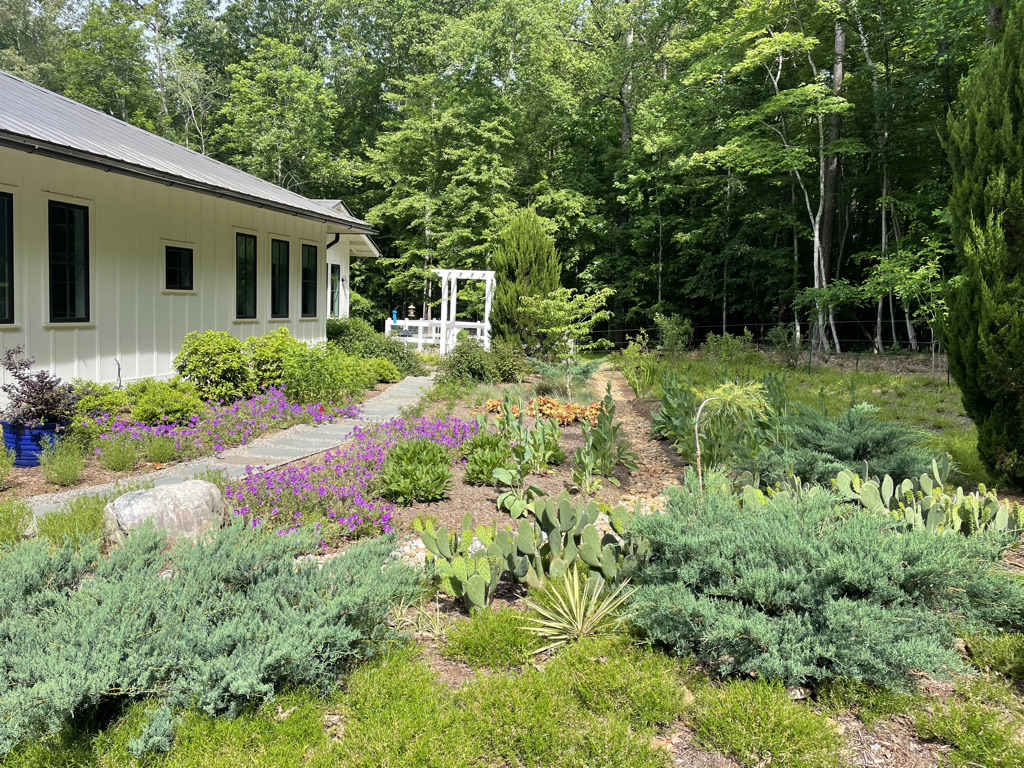
Another important aspect is xeriscaping, a technique that emphasizes drought-tolerant plants and efficient irrigation systems. This approach is especially valuable in regions with limited water resources. By adopting sustainable practices, homeowners and designers contribute to environmental conservation while reducing long-term maintenance costs.
Integration of Technology in Landscaping
Technology is playing an increasingly important role in modern landscaping. Smart irrigation systems, for example, use sensors and weather data to optimize watering schedules. This ensures that plants receive the right amount of water without waste.
Outdoor lighting has also become more advanced, with energy-efficient LED systems and smart controls that allow users to adjust brightness and timing through mobile apps. Some landscapes even incorporate automated maintenance tools such as robotic lawn mowers.
Additionally, 3D design software allows landscape architects to create detailed visualizations before any physical work begins. This helps clients better understand the final design and make informed decisions about layout, materials, and plant selection.
Minimalist and Contemporary Design Aesthetics
Modern landscaping often embraces minimalist design principles. Clean lines, simple layouts, and uncluttered spaces define this style. Instead of overly complex gardens, designers focus on balance, symmetry, and intentional use of space.
Hardscaping elements such as stone pathways, concrete slabs, and metal accents are frequently combined with greenery to create contrast. Neutral color palettes and geometric shapes are commonly used to achieve a modern look.
This approach not only enhances visual appeal but also makes maintenance easier. A minimalist landscape reduces the need for constant upkeep while still providing a sophisticated and elegant appearance.
The Growing Popularity of Native and Natural Planting
There is a strong movement toward using native plants in landscaping design. These plants are naturally suited to local soil, climate, and rainfall conditions, making them more resilient and sustainable. They also support local wildlife, including birds, bees, and butterflies.
Natural planting designs aim to replicate ecosystems found in nature rather than forcing structured, artificial layouts. This creates a more organic and relaxing environment. Wildflower meadows, prairie-inspired gardens, and woodland-style landscapes are becoming increasingly popular choices.
Outdoor Wellness and Biophilic Design
Another important trend is the integration of wellness-focused design. Biophilic landscaping around Raleigh is based on the idea that humans have an innate connection to nature. By incorporating natural elements into outdoor spaces, designers aim to improve mental and physical well-being.
Water features such as fountains and ponds create calming environments, while shaded seating areas encourage relaxation and meditation. Green walls and vertical gardens are also used to bring nature into compact urban spaces.
These elements help reduce stress, improve mood, and create a sense of tranquility. As urban living becomes more fast-paced, wellness-oriented landscapes provide a necessary escape.
Smart Use of Space in Urban Environments
In cities where space is limited, innovative landscaping solutions are essential. Vertical gardens, rooftop terraces, and balcony greenery are transforming small areas into lush, functional environments.
Urban landscaping focuses on maximizing every square foot. Multi-purpose furniture, modular planters, and compact greenery systems allow even the smallest spaces to feel open and inviting. This trend is especially important in densely populated areas where access to nature is limited.
Conclusion
Modern landscaping design is no longer just about beautifying outdoor areas; it is about creating meaningful, functional, and sustainable environments. From smart technology and eco-friendly practices to minimalist aesthetics and wellness-focused designs, today’s trends reflect a deeper connection between people and nature.
As lifestyles continue to evolve, landscaping will play an increasingly important role in shaping how individuals experience their surroundings. Whether large or small, outdoor spaces are becoming essential parts of modern living—offering comfort, sustainability, and a much-needed escape into nature.