Digital Beauty Marketing Campaigns That Drive Real ResultsDigital Beauty Marketing Campaigns That Drive Real Results
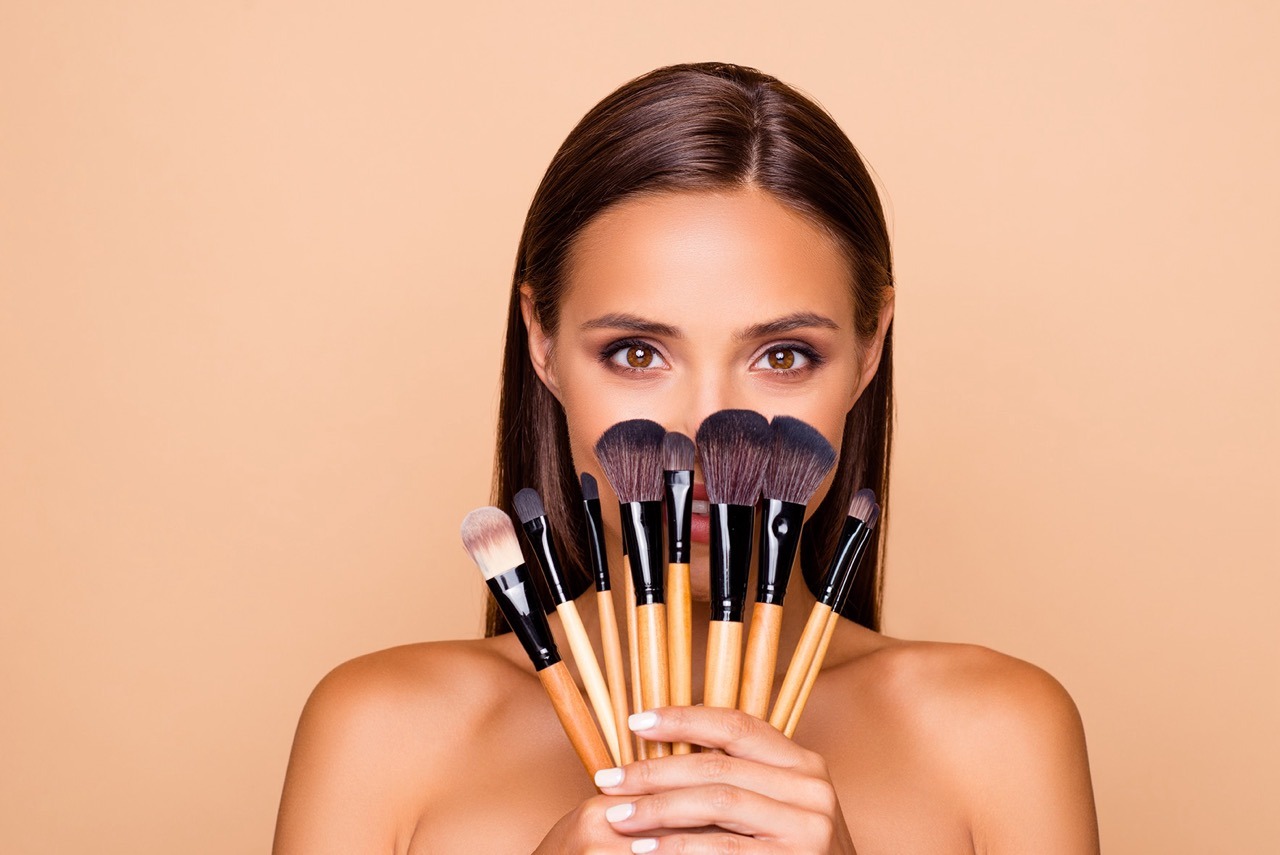
In today’s highly competitive beauty industry, brands are no longer re solely on traditional advertising to reach their audience. Instead, they are investing in digital beauty marketing campaigns that are data-driven, visually engaging, and highly targeted. These campaigns are designed not just to create awareness, but to deliver measurable outcomes such as increased sales, stronger customer loyalty, and higher engagement rates. Understanding how these campaigns work—and what makes them successful—can help beauty brands stand out in a crowded online marketplace.
Understanding the Power of Digital Beauty Marketing
Digital beauty marketing refers to the use of online platforms such as social media, search engines, influencer collaborations, email marketing, and paid advertisements to promote beauty products and services. Unlike traditional marketing, digital campaigns allow brands to interact directly with their audience in real time, track performance instantly, and adjust strategies based on user behavior.
What makes this approach especially powerful in the beauty industry is the visual nature of the products. Skincare, makeup, haircare, and wellness brands rely heavily on imagery, tutorials, and transformations—all of which perform exceptionally well on digital platforms like Instagram, TikTok, and YouTube.
Campaigns Built Around Storytelling
One of the most effective strategies in digital beauty marketing is storytelling. Successful campaigns don’t just showcase products; they tell relatable stories that connect emotionally with consumers. For example, instead of simply promoting a moisturizer, a brand might create a campaign showing a real customer’s journey to overcoming dry skin issues.
Story-driven campaigns help build trust. Customers are more likely to purchase from a brand that feels authentic and understands their needs. Beauty brands that highlight real experiences, diverse skin types, and honest results often see significantly higher engagement and conversion rates.
Influencer Collaborations That Convert
Influencer marketing remains one of the most powerful tools in digital beauty campaigns. Beauty influencers, whether macro or micro, have built loyal communities that trust their recommendations. When influencers demonstrate how a product works in real life, it reduces skepticism and encourages purchases.
However, the most successful campaigns go beyond simple product promotion. Brands now collaborate with influencers to co-create content, such as tutorials, challenges, and before-and-after transformations. These formats feel more natural and less like advertisements, making audiences more receptive.
Micro-influencers, in particular, often drive higher engagement because their audiences are more niche and highly trusting. A well-planned influencer campaign can generate significant ROI when aligned with the right target market.
Social Media Advertising for Precision Targeting
Paid advertising on platforms like Facebook, Instagram, and TikTok allows beauty brands to target users based on age, interests, behavior, and location. This precision ensures that marketing budgets are spent efficiently and reach people who are most likely to convert.
For example, a skincare brand targeting acne solutions can run ads specifically aimed at teenagers and young adults interested in skincare routines. These ads can include video demonstrations, testimonials, or limited-time offers to encourage immediate action.
Retargeting campaigns are also highly effective. If a user visits a product page but does not make a purchase, retargeting ads can remind them of the product later, often leading to higher conversion rates.
Content That Educates and Engages
Educational content is another key driver of successful digital beauty campaigns. Consumers today want to understand what they are buying and how it benefits them. Brands that provide value through tutorials, ingredient explanations, skincare routines, and expert tips often build stronger authority in the market.
For instance, a beauty brand might run a campaign focused on “morning skincare routines,” showing how their products fit into a daily regimen. This not only promotes products but also positions the brand as an expert in the field.
Engaging content formats such as reels, short videos, and live sessions also help maintain audience interest and encourage interaction.
Email Marketing for Long-Term Relationships
While social media attracts attention, email marketing helps maintain long-term customer relationships. Successful digital beauty campaigns often include personalized email sequences that nurture leads, offer exclusive discounts, and announce new product launches.
Segmentation plays a crucial role here. Customers can be grouped based on purchase history, preferences, or engagement level, allowing brands to send highly relevant messages. This personalization increases the likelihood of repeat purchases and brand loyalty.
Measuring Real Results with Data
What sets digital beauty marketing apart is its ability to measure success accurately. Brands can track metrics such as click-through rates, conversion rates, engagement levels, and return on ad spend. This data allows marketers to refine campaigns continuously for better performance.
For example, if a campaign shows high engagement but low conversions, the brand may adjust its landing page or pricing strategy. This constant optimization ensures that marketing efforts are not wasted.
Conclusion
Digital beauty marketing campaigns that drive real results are those that combine creativity with strategy. By focusing on storytelling, influencer collaborations, targeted advertising, educational content, and data-driven optimization, Beauty Marketing Agency brands can significantly improve their online performance. In an industry where trends change rapidly, the ability to adapt and connect authentically with consumers is what ultimately leads to long-term success.