
Home & Kitchen Ideas Creative Ways to Use Modern Tile in Your Home

Creative Ways to Use Modern Tile in Your Home

Modern tile has become one of the most versatile and stylish materials in contemporary interior design. Once limited mostly to kitchens and bathrooms, tiles are now used creatively throughout the home to enhance both beauty and functionality. With countless colors, textures, shapes, and patterns available, modern tile allows homeowners to express their personality while creating durable and easy-to-maintain surfaces.

From statement walls to unique flooring designs, there are many creative ways to incorporate modern tile into your living spaces. Whether you want to refresh a single room or redesign your entire home, modern tile can add elegance, practicality, and visual interest.

Statement Tile Walls

One of the most popular ways to use modern tile is by creating a statement wall. Instead of painting a plain wall, homeowners can install decorative tiles to add depth, texture, and personality.

Tile feature walls work beautifully in living rooms, bedrooms, and entryways. Large-format tiles with natural stone textures create a luxurious atmosphere, while geometric tiles bring a modern and artistic vibe to the space.

For example, a tiled wall behind a television can turn a simple entertainment area into a stylish focal point. Similarly, a bedroom headboard wall with patterned tiles can replace traditional decor and give the room a unique design element.

Stylish Kitchen Backsplashes

The kitchen backsplash is one of the most common areas where modern tile shines. Instead of basic white tiles, homeowners now choose bold designs, metallic finishes, or textured surfaces to enhance the kitchen’s overall style.

Hexagon tiles, subway tiles with colored grout, and mosaic patterns are popular choices that create visual interest while protecting walls from splashes and stains.

Modern tiles are also practical in kitchens because they are heat-resistant, easy to clean, and long-lasting. A creative backsplash design can transform an ordinary kitchen into a stylish and inviting cooking space.

Elegant Bathroom Designs

Bathrooms are ideal spaces for experimenting with modern tile designs. Instead of using the same tile everywhere, designers often mix patterns and textures to create a more dynamic look.

For instance, you can combine large tiles on the floor with smaller decorative tiles in the shower area. Vertical tile arrangements can make ceilings appear higher, while light-colored tiles can make small bathrooms look more spacious.

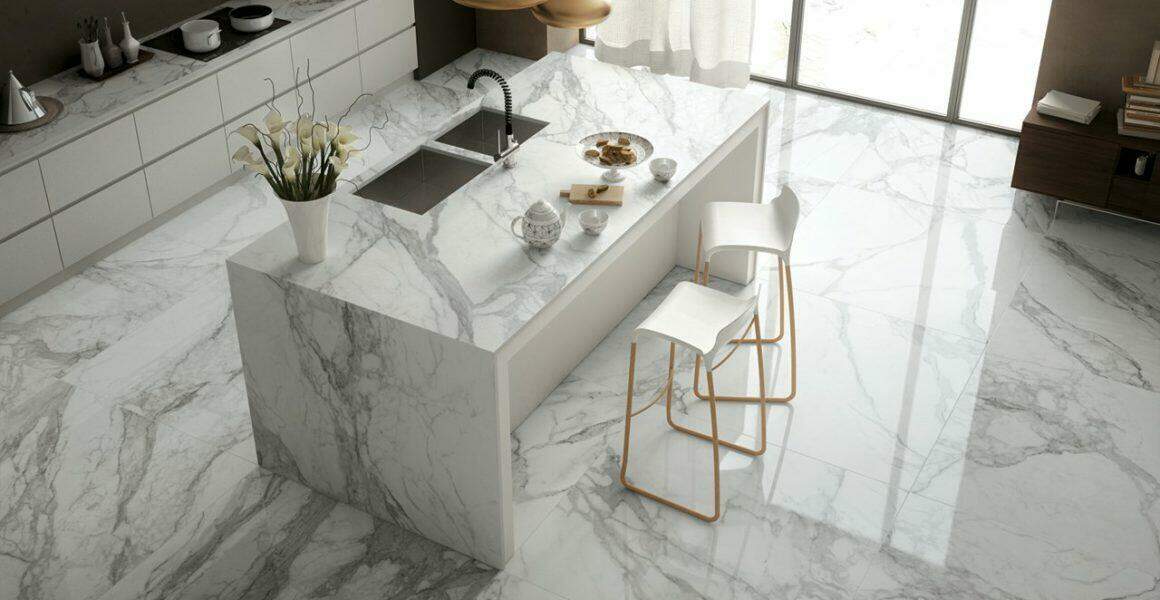
Another creative trend is using tiles with marble or stone patterns to achieve a luxurious spa-like atmosphere without the high cost of natural materials.

Eye-Catching Tile Floors

Modern tile flooring is no longer limited to simple square designs. Today, tiles come in a wide variety of shapes, including hexagons, diamonds, and rectangles that can be arranged in creative patterns.

Chevron, herringbone, and basketweave layouts are increasingly popular for adding movement and sophistication to floors. These patterns work well in hallways, kitchens, and living areas.

Large-format tiles are also trending because they create a seamless and clean look with fewer grout lines. This makes spaces feel more open and modern.

In addition to style, tile floors are extremely durable and easy to maintain, making them perfect for high-traffic areas of the home.

Decorative Fireplace Surrounds

A fireplace naturally attracts attention in a room, making it the perfect place to showcase modern tile. Instead of traditional brick or stone, homeowners can use sleek tiles to create a contemporary fireplace design.

Glossy tiles add a touch of elegance, while textured tiles create warmth and character. Neutral shades such as gray, beige, and black are popular for modern fireplace surrounds, but bold colors can also make a dramatic statement.

Using tile around a fireplace not only enhances visual appeal but also provides heat resistance and durability.

Unique Staircase Designs

Another creative way to incorporate modern tile is on staircases. Tiled stair risers can introduce color and pattern to an otherwise simple staircase.

Many homeowners choose decorative tiles with intricate patterns for each stair riser, creating a vibrant and artistic look. Others prefer minimalist designs with subtle textures that blend seamlessly with the surrounding decor.

Tile staircases are especially common in Mediterranean and contemporary homes, where they add both personality and practicality.

Outdoor Tile Applications

Modern tile is not just for indoor spaces. Many tiles are designed to withstand outdoor conditions, making them ideal for patios, balconies, and garden pathways.

Porcelain tiles are particularly popular for outdoor use because they are resistant to moisture, stains, and temperature changes. Textured tiles also provide slip resistance, making them safe for areas exposed to rain or pool water.

Using modern tile outdoors can create a seamless transition between indoor and outdoor living areas, giving your home a cohesive design.

Creative Accent Areas

Sometimes the most effective design ideas come from small details. Modern tile can be used in accent areas throughout the home to add a touch of creativity.

For example, tiled niches in bathrooms can provide stylish storage for toiletries while enhancing the room’s design. Tiled bar fronts in dining areas or entertainment spaces can create a sophisticated look.

You can even use tile to decorate furniture surfaces such as tabletops, kitchen islands, or side tables. These small accents can bring texture and personality to a space without overwhelming the design.

Mixing and Matching Tile Styles

One of the biggest trends in modern tile design is mixing different styles together. Combining matte and glossy finishes, neutral and bold colors, or large and small tiles can create unique and visually interesting spaces.

For instance, a bathroom might feature simple floor tiles paired with vibrant patterned tiles in the shower. A kitchen could combine classic subway tiles with decorative mosaic borders.

The key to successful mixing is maintaining a consistent color palette so that the overall design feels balanced and cohesive.

The Practical Benefits of Modern Tile

While modern tile offers endless design possibilities, it also provides many practical benefits. Tiles are highly durable, making them resistant to scratches, stains, and moisture. This durability ensures that tiled surfaces maintain their beauty for many years.

Tiles are also easy to clean and maintain. Most surfaces require only regular wiping or mopping to keep them looking fresh and hygienic.

Additionally, many modern tiles are eco-friendly and made from sustainable materials, making them a responsible choice for environmentally conscious homeowners.

Stylish Kitchen Backsplashes

0

Modern tile has evolved into a powerful design element that can transform every part of the home. From bold statement walls and elegant bathrooms to creative staircases and outdoor patios, tiles offer both style and practicality.

With endless options in color, texture, and shape, homeowners have the freedom to experiment with different designs and create spaces that reflect their personal taste. Whether used in large installations or small accents, modern tile adds beauty, durability, and sophistication to any home.

By exploring creative ways to incorporate modern tile into your living spaces, you can elevate your home’s design and enjoy a stylish environment that stands the test of time.

Leave a Reply

Your email address will not be published. Required fields are marked *

Related Post

Removing Tough Odors with Effective Carpet CleaningRemoving Tough Odors with Effective Carpet Cleaning

Carpet odors can be stubborn and unpleasant, often lingering long after spills or accidents have occurred. These smells are usually caused by bacteria, moisture trapped in fibers, food spills, pet accidents, or mold growth. Removing tough odors requires more than surface cleaning—it demands deep treatment methods that target the root cause of the smell.

Understanding the Source of Carpet Odors

Before attempting to remove odors, it is important to identify their source. Common causes include pet urine, spilled beverages, food particles, smoke, and moisture buildup. When these substances penetrate deep into carpet fibers and padding, they begin to break down and release foul smells.

Simply masking the odor with fragrances will not solve the problem. Instead, effective carpet Carpet Cleaning That Dries In One Hour Princeton NJ focuses on neutralizing and eliminating odor-causing compounds at their source.

Immediate Action for Fresh Spills

The faster a spill is treated, the less likely it is to produce long-term odor. Blotting the area immediately helps absorb moisture before it seeps deeper into the carpet.

Once excess liquid is removed, app a cleaning solution is essential. A mixture of warm water and mild detergent works well for fresh spills. For organic stains like urine or vomit, enzyme-based cleaners are more effective because they break down proteins and bacteria responsible for odor formation.

Baking Soda as a Natural Deodorizer

Baking soda is one of the most widely used and effective odor-removal agents. It works by absorbing moisture and neutralizing acidic odor molecules trapped in carpet fibers.

To use it, sprinkle a generous layer over the affected area and let it sit for several hours or overnight. The longer it remains, the more odor it absorbs. Afterward, vacuum thoroughly to remove the residue. This simple method is safe, affordable, and highly effective for mild to moderate odors.

Vinegar Solutions for Deep Cleaning

White vinegar is another powerful natural cleaning agent. Its acidic properties help neutralize alkaline odors and kill odor-causing bacteria.

A common solution involves mixing equal parts white vinegar and water in a spray bottle. Lightly mist the affected carpet area and allow it to air dry. As the vinegar evaporates, it carries away unpleasant smells. While the vinegar scent may be strong initially, it fades completely once dry.

Steam Cleaning for Deep Odor Removal

For persistent or deeply embedded odors, steam cleaning is one of the most effective solutions. The combination of hot water and suction penetrates deep into carpet fibers and padding, extracting dirt, bacteria, and odor particles.

Steam cleaning not only removes existing odors but also sanitizes the carpet, reducing the chances of future smell buildup. For best results, carpets should be cleaned every few months in high-traffic areas or homes with pets and children.

Enzyme Cleaners for Organic Odors

Organic odors, especially those caused by pets, require enzyme-based cleaning products. These cleaners contain beneficial bacteria that break down organic matter at a molecular level.

Unlike traditional cleaners, enzyme solutions do not just cover up the smell—they eliminate it completely. They are especially useful for urine, vomit, and food spills that have soaked into carpet padding.

Improving Air Circulation and Drying

Moisture is a major contributor to carpet odors. After cleaning, it is essential to dry carpets thoroughly. Using fans, opening windows, or running a dehumidifier can speed up the drying process.

Good air circulation prevents mold and mildew growth, both of which are common sources of persistent odors.

Preventing Future Odors

Prevention is key to maintaining a fresh-smelling carpet. Regular vacuuming removes dirt and organic debris before they break down. Immediate spot cleaning prevents stains from becoming long-term odor sources.

Using area rugs in high-risk zones, such as dining spaces or pet areas, can also help protect carpets from spills and odors.

Conclusion

Removing tough carpet odors requires a combination of immediate action, natural remedies, and deep cleaning techniques. From baking soda and vinegar to enzyme cleaners and steam cleaning, each method plays a role in restoring freshness. With consistent care and proper cleaning practices, carpets can remain clean, odor-free, and welcoming for years to come.

Reckon Young The Uk’s New Wall Impanel RevolutionReckon Young The Uk’s New Wall Impanel Revolution

When one pictures wall panelling, the mind often conjures images of stately homes, oak-clad libraries, or perhaps the horrific 1970s woodchip. It is not typically associated with the vibrant, transeunt, and digitally-native lives of youth Britons. Yet, a quiet down revolution is afoot in the UK s inside design landscape painting, spearheaded by a propagation of renters and first-time buyers who are reimagining this classic feature for the 21st . Imagine Young is not about heritage restoration; it s about subjective expression, renting-friendly solutions, and creating Instagram-worthy backdrops in a earthly concern of ecru rental magnolia. This front is transforming panelling from a symbolization of permanency into a tool for momentaneous, yet unfathomed, self-expression wall cladding panels.

The Rental Generation s Reclaimation

The driving force behind this veer is demographic and worldly. With homeownership rates for youth adults(25-34) in the UK left over a significant challenge, a 2024 account from the Office for National Statistics highlights that the private rental sector continues to house a boastfully portion of this age group. This generation is not waiting for a forever and a day home to produce a beautiful sustenance quad. They are strict solutions that honour their landlord s prop while allowing them to imprint their personal identity. Traditional, nailed-in timber pane is off the put over, but the desire for texture, , and fine arts matter to is stronger than ever. This has catalysed a boom in innovational, non-permanent paneling options that are whippersnapper, easy to instal, and simple to remove without .

  • Peel-and-Stick MDF Panels: Pre-finished panels with a strong, yet removable, adhesive financial support.
  • Lightweight PVC and Polyurethane Options: Mimicking intricate mouldings at a fraction of the angle and cost, often clip-fit together.
  • DIY Slatwall Kits: Modular systems that produce a Bodoni, upright slat set up, perfect for hanging accessories or art.

Case Study: The TikTok Terrace Transformation

Maya, a 26-year-old computer graphic intriguer renting a terraced domiciliate in Manchester, became a tiddler net sensory faculty by documenting her Rental Glow-Up serial. Her most nonclassical video recording, with over 1.2 jillio views, featured her transforming a plain, magnolia sleeping room wall using self-adhesive, shaker-style MDF panels. She colorful them in a bold, inky blue and accessorized with warm, plaque shelving brackets. The picture cost under 150 and was completed in a ace weekend. The point out section was inundated with renters asking for links and sharing their own plans. For Maya, the panels did more than ; they reborn a generic room into a quad that felt authentically hers, proving that temp doesn t have to mean impersonal.

The Digital Aesthetic and the Feature Wall 2.0

This swerve is in and of itself joined to the whole number lives of youth populate. A flat wall offers little for the tv camera. Panelling, however, creates shadows, lines, and depth that make a photograph or video more dynamic. It s the evolution of the boast wall from a unity bold blusher distort to a three-dimensional instruction. Social media platforms, particularly Pinterest and Instagram, are the primary quill sources of inspiration, with searches for Bodoni font wall panelling ideas seeing a 75 step-up in the UK in the first half of 2024 alone. The esthetics are diverse, ranging from the clean, upright lines of coeval slat walls to the comforting curves of art deco-inspired sunburst designs, all easily determinable and replicated by a DIY-savvy propagation.

Case Study: The Upcycled Headboard

Leo, a 29-year-old sustainability officer in Bristol, approached the veer from an eco-conscious angle. He sourced unwanted woody slats from a local anesthetic floor accompany s skip, sanded them down, and fixed them to his chamber wall using a non-marking adhesive material gel to produce a unique, countryfied headboard. He then stained the wood using a natural, plant-based dye. This envision, which cost him nigh nothing, embodies a key sub-movement: the want for property, unique interiors that tell a news report. It repurposes run off, avoids mass-produced items, and adds unequalled character, thought-provoking the whim that swank design must be valuable or new.

Industrial Cutting Efficiency with Modern Wire Saw SolutionsIndustrial Cutting Efficiency with Modern Wire Saw Solutions


In today’s fast-paced construction, mining, and manufacturing industries, precision and speed are essential for maintaining productivity and reducing operational costs. One of the most transformative tools contributing to this progress is the modern wire saw. Designed for high-performance cutting in demanding environments, wire saw technology has significantly improved industrial cutting efficiency by offering cleaner cuts, greater control, and the ability to handle extremely hard materials with ease.

Understanding Modern Wire Saw Technology

A wire saw is a cutting tool that uses a metal wire embedded with diamond segments or abrasive beads to slice through tough materials such as concrete, steel, stone, and reinforced structures. Unlike traditional cutting tools that rely on blades or discs, wire saws operate through a continuous loop of wire that moves at high speed, gradually grinding through the material.

Modern wire saw systems are powered by advanced hydraulic or electric motors, allowing operators to control tension, speed, and direction with precision. This level of control makes them suitable for complex industrial applications where accuracy and minimal material damage are crucial.

Enhanced Precision and Clean Cutting Performance

One of the primary advantages of modern wire saw solutions is their exceptional precision. In industrial settings, even minor inaccuracies can lead to costly errors or structural weaknesses. Wire saws minimize this risk by providing smooth and controlled cuts, even in irregular or thick materials.

The diamond-embedded wire ensures consistent abrasion, resulting in clean edges and reduced need for secondary finishing work. This not only saves time but also improves overall project efficiency. In industries like construction and demolition, where structural integrity matters, this precision is invaluable.

High Efficiency in Heavy-Duty Applications

Industrial projects often involve cutting large and reinforced structures such as bridges, wire saw columns, steel beams, and rock formations. Traditional cutting tools may struggle or require excessive time and labor. Modern wire saw systems, however, are designed specifically for these heavy-duty applications.

Because the wire can be looped around large structures, it allows cutting in areas that are otherwise difficult to reach. This flexibility significantly reduces downtime and eliminates the need for extensive dismantling. As a result, projects can be completed faster, with fewer resources and lower labor costs.

Reduced Vibration and Structural Impact

Another major benefit of wire saw technology is its low-vibration operation. Traditional mechanical saws often generate strong vibrations that can weaken surrounding structures or cause cracks in delicate environments. Wire saws, on the other hand, produce minimal vibration, making them ideal for controlled demolition and precision cutting.

This feature is especially important in urban construction projects where nearby buildings or infrastructure must remain undisturbed. By reducing structural stress, wire saws help maintain safety standards and prevent unintended damage.

Versatility Across Multiple Industries

Modern wire saw solutions are not limited to one industry. Their adaptability makes them valuable across a wide range of sectors, including:

  • Construction and Demolition: Cutting reinforced concrete, removing structural sections, and controlled dismantling.
  • Mining Industry: Extracting large stone blocks and cutting through hard rock formations.
  • Manufacturing: Precision cutting of metal components and industrial materials.
  • Infrastructure Maintenance: Modifying bridges, tunnels, and large civil structures.

This versatility ensures that businesses can rely on a single cutting solution for multiple applications, reducing the need for multiple specialized tools.

Improved Safety and Operational Control

Safety is a top priority in industrial environments, and modern wire saw systems are designed with this in mind. Remote operation capabilities allow workers to control the machine from a safe distance, minimizing exposure to hazardous conditions such as falling debris or high-tension cutting zones.

Additionally, advanced tension control systems help prevent wire breakage, ensuring stable and predictable performance. Many modern systems also include automated shutdown features in case of overload or malfunction, further enhancing workplace safety.

Cost-Effectiveness and Long-Term Value

While the initial investment in wire saw technology may be higher than traditional cutting tools, the long-term benefits far outweigh the costs. Reduced labor requirements, faster completion times, and minimal material wastage all contribute to significant savings over time.

Moreover, the durability of diamond wire ensures a longer operational lifespan, reducing replacement frequency and maintenance costs. For industries focused on efficiency and profitability, wire saws provide a strong return on investment.

Conclusion

Modern wire saw solutions have revolutionized industrial cutting by combining precision, efficiency, and safety into one powerful system. Their ability to handle heavy-duty materials, deliver clean cuts, and operate with minimal vibration makes them an essential tool across multiple industries. As technology continues to advance, wire saw systems will likely become even more efficient, further enhancing productivity and shaping the future of industrial cutting operations.


Smart Interior Upgrades With Ceiling PanelsSmart Interior Upgrades With Ceiling Panels

Modern interiors often focus on walls, flooring, and furniture, but the ceiling plays an equally important role in shaping the look and comfort of a room. Many designers and property owners now explore solutions like Ceiling panels to improve both appearance and function. These panels are designed to cover the ceiling surface while adding practical benefits such as sound control, insulation, and the ability to hide wires, ducts, or pipes. Whether used in homes, offices, schools, or retail spaces, ceiling panels help transform plain ceilings into organized and visually appealing design elements.

What Are Ceiling Panels

Ceiling panels are structured sections installed across a ceiling framework or surface. Instead of leaving ceilings bare or painted, panels create a clean layered system that enhances the entire room.

They can be attached directly to the ceiling or installed within a suspended grid system. Each panel fits into the framework, forming a smooth and consistent surface across the space.

Many property owners prefer ceiling panels because they combine practical features with decorative value. A simple installation can improve lighting reflection, reduce noise levels, and make maintenance easier.

Common characteristics of ceiling panels include:

  • Lightweight materials that are easy to install

  • Smooth or textured finishes for design flexibility

  • Panels that can be removed individually for maintenance

  • Options that support insulation and sound absorption

These features make ceiling panels useful in both residential and commercial environments.

Popular Types of Ceiling Panels

Different environments require different panel materials and designs. Each type offers unique benefits depending on how the space is used.

Acoustic Ceiling Panels

Acoustic panels are designed to reduce noise and control sound reflection. They absorb sound waves, making them ideal for busy environments where echo can become a problem.

They are commonly installed in:

  • Offices and conference rooms

  • Schools and classrooms

  • Restaurants and public areas

  • Home entertainment rooms

Acoustic ceiling panels help create a quieter and more comfortable atmosphere.

Suspended Ceiling Panels

Suspended systems, often called drop ceilings, hang below the original ceiling using a metal grid framework. Panels are placed inside the grid, allowing easy access to utilities above.

Benefits include:

  • Easy maintenance access

  • Space to hide wiring and air ducts

  • Fast installation

  • Flexible replacement of individual panels

Suspended ceiling panels are widely used in offices, hospitals, and commercial buildings.

Decorative Ceiling Panels

Decorative panels focus on visual style and interior character. They come in patterns, textures, and shapes that add personality to a room.

Popular design styles include:

  • Geometric patterns

  • Wood style finishes

  • Classic molded designs

  • Modern minimal surfaces

Decorative ceiling panels allow designers to transform ceilings into a major visual feature of the room.

Metal Ceiling Panels

Metal panels offer strength, durability, and a clean modern appearance. Aluminum and steel are the most common materials used.

Advantages include:

  • Resistance to moisture and humidity

  • Long lasting durability

  • Easy cleaning and maintenance

  • Strong structural performance

Metal ceiling panels are often chosen for commercial kitchens, industrial environments, and contemporary interiors.

PVC Ceiling Panels

PVC panels are lightweight plastic panels designed for moisture resistant environments. They are commonly installed in kitchens, bathrooms, and basements.

Key benefits include:

  • Water resistance

  • Easy cleaning

  • Affordable installation

  • Mold resistant surfaces

PVC ceiling panels provide a practical solution where humidity and moisture levels are high.

Benefits of Installing Ceiling Panels

Ceiling panels are not only about visual improvement. They also enhance how a room performs day to day.

Improved Sound Control

Many ceiling panel materials are designed to absorb sound waves. This reduces echo and background noise, making spaces feel calmer and more comfortable.

Offices, classrooms, and meeting rooms benefit greatly from acoustic ceiling panels.

Better Insulation

Ceiling panels can help regulate indoor temperature by adding a layer of insulation. This helps maintain comfort while improving energy efficiency.

Insulated ceiling panels reduce heat loss in cooler seasons and help control indoor temperatures in warmer environments.

Concealing Wires and Pipes

Buildings often contain electrical wiring, plumbing, and ventilation systems running above the ceiling. Ceiling panels hide these components while still allowing access when needed.

Suspended ceiling systems are especially helpful for this purpose.

Quick Maintenance and Replacement

If one panel becomes damaged, it can usually be replaced without disturbing the entire ceiling. This saves time and maintenance costs.

Facility managers often prefer ceiling panels because they simplify repair work.

Visual Improvement

Ceiling panels add structure and style to otherwise plain ceilings. A thoughtful panel design can make rooms appear larger, brighter, and more organized.

Even simple panels can dramatically change the character of a space.

How to Choose the Right Ceiling Panels

Selecting the right ceiling panels depends on several factors related to the room and its purpose.

Consider the Room Size

Large spaces may benefit from suspended systems that make lighting and ventilation easier to manage. Smaller rooms often look better with simpler panel designs that maintain a clean appearance.

Think About Noise Levels

Rooms with frequent conversation or activity should prioritize acoustic ceiling panels to improve sound comfort.

Meeting rooms, classrooms, and media rooms benefit greatly from sound absorbing materials.

Evaluate Moisture Conditions

Areas exposed to humidity require materials that resist water damage. PVC or metal ceiling panels work well in bathrooms, kitchens, and basements.

Match the Interior Design

Ceiling panels should complement the overall interior style. Decorative panels may work well in residential living areas, while modern metal panels may suit commercial settings.

Color, texture, and pattern choices should align with the room's theme.

Plan for Maintenance Access

Buildings with complex wiring or air systems often require easy access to the ceiling cavity. Suspended ceiling panels allow technicians to reach these systems quickly.

Where Ceiling Panels Are Commonly Used

Ceiling panels can improve a wide range of environments.

Common applications include:

  • Residential living rooms and kitchens

  • Corporate offices and workspaces

  • Educational buildings and training rooms

  • Medical facilities and clinics

  • Retail stores and shopping areas

In each case, ceiling panels help create spaces that are comfortable, organized, and visually balanced.

Design trends continue to evolve as architects and property owners experiment with new materials, textures, and patterns. As interiors grow more sophisticated, ceiling panels are becoming a central design feature rather than an afterthought. A thoughtfully designed ceiling can quietly shape the atmosphere of a room while supporting the practical needs of modern spaces.

Why Regular Gutter Cleaning Is Essential for Property MaintenanceWhy Regular Gutter Cleaning Is Essential for Property Maintenance

When it comes to maintaining a home or commercial property, gutters are often overlooked—until something goes wrong. Yet these narrow channels play a major role in protecting your building from water damage, structural issues, and costly repairs. Regular gutter gutter cleaning Renfrewshire may seem like a simple task, but it is one of the most important maintenance routines every property owner should prioritize. Below is a detailed, human-centered, and eye-catching explanation of why keeping gutters clean truly matters.

The Hidden Importance of Gutters

Gutters are designed to collect rainwater from the roof and channel it safely away from the building’s foundation. When they are functioning properly, you barely notice them. But when they become clogged with leaves, twigs, dirt, and debris, everything can change quickly.

A blocked gutter cannot direct water effectively, leading to overflow and pooling around your home. Over time, this seemingly small issue can cause damage that is far more expensive and complicated than the simple task of regular cleaning.

1. Preventing Water Damage

Protecting Your Roof

When gutters clog, water has nowhere to go. Instead of flowing away, it backs up onto the roof. This standing water can seep under shingles, leading to rot, mold growth, and eventually a leaky roof. Repairing or replacing a roof is far more expensive than maintaining your gutters.

Protecting Your Walls and Foundation

Overflowing gutters can send water down the exterior walls, causing discoloration, erosion, and damage to siding or brickwork. Even more concerning, excess water pooling around your foundation can weaken it, create cracks, and cause basement flooding. Clean gutters ensure that rainwater is safely redirected away from these vulnerable areas.

2. Avoiding Pest Infestations

Clogged gutters create an inviting environment for pests such as mosquitoes, rodents, birds, ants, and even termites. Standing water is the perfect breeding ground for insects, while compact debris offers nesting material for birds and squirrels. Once pests settle into your gutters, they often find their way into your attic or living spaces. Regular cleaning removes these habitats before they become an infestation.

3. Preserving Landscaping and Exterior Features

When gutters overflow, the force of the water hitting the ground can destroy flower beds, wash away mulch, and erode soil. This damages your home’s landscaping and can create unsightly channels in the yard. Properly functioning gutters help distribute water evenly and responsibly, keeping your outdoor spaces beautiful and intact.

4. Extending Gutter Lifespan

Gutters filled with wet leaves and debris become heavy. Over time, this added weight can cause gutters to sag, pull away from the roofline, or even collapse. The seams, fasteners, and brackets may also weaken. By cleaning gutters regularly, you reduce the strain on these components and extend the overall life of the system.

5. Improving Property Appearance and Value

A well-maintained property always stands out. Overflowing gutters with plant growth or streaks of dirt can make a property look neglected. Regular cleaning keeps your home looking fresh, tidy, and well cared for. For homeowners preparing to sell, clean gutters are a small detail that can positively influence buyers’ impressions.

6. Saving Money on Future Repairs

Neglecting gutters can lead to major structural problems, roof damage, foundation issues, mold growth, and interior leaks—all of which come with steep repair bills. Investing a small amount of time or money in routine gutter cleaning helps prevent these expensive surprises. It’s a simple preventative measure with substantial financial benefits.

7. Enhancing Safety

Cleaning gutters yourself can be risky if you’re inexperienced or using unstable ladders. But failing to clean them can lead to even greater safety hazards, such as slippery walkways from overflow, mold growth, and structural damage. Whether you handle the task yourself carefully or hire a professional, keeping gutters clean contributes to a safer living environment.

Conclusion

Regular gutter cleaning is not just a seasonal chore—it’s a vital part of property maintenance. From preventing water damage and structural issues to preserving landscaping and enhancing curb appeal, clean gutters play a crucial role in keeping your home safe and sound. Staying proactive today can save you from major repairs tomorrow. A little maintenance goes a long way, and your property will thank you for it.