
Home & Kitchen Ideas Transforming Outdoor Spaces: Modern Trends in Landscaping Design

Transforming Outdoor Spaces: Modern Trends in Landscaping Design

Landscaping design has evolved far beyond simple gardening and lawn maintenance. Today, outdoor spaces are seen as extensions of indoor living areas, blending comfort, sustainability, and aesthetics into one cohesive environment. Modern landscaping trends focus on creating functional, environmentally responsible, and visually appealing spaces that enhance lifestyle and property value. Whether it is a residential backyard, a commercial courtyard, or a public park, contemporary landscape design is reshaping how people interact with the outdoors.

The Rise of Functional Outdoor Living Spaces

One of the most prominent trends in modern landscaping is the shift toward functional outdoor living. Homeowners no longer view their yards as unused green patches; instead, they design them as fully usable extensions of their homes. Outdoor kitchens, dining areas, fire pits, and lounge seating are becoming common features.

These spaces are designed for year-round use, often incorporating weather-resistant furniture, pergolas, and retractable coverings. The goal is to create an environment where people can cook, entertain guests, or relax comfortably outdoors. This trend reflects a growing desire to spend more time in nature without sacrificing modern comforts.

Sustainability and Eco-Friendly Landscaping

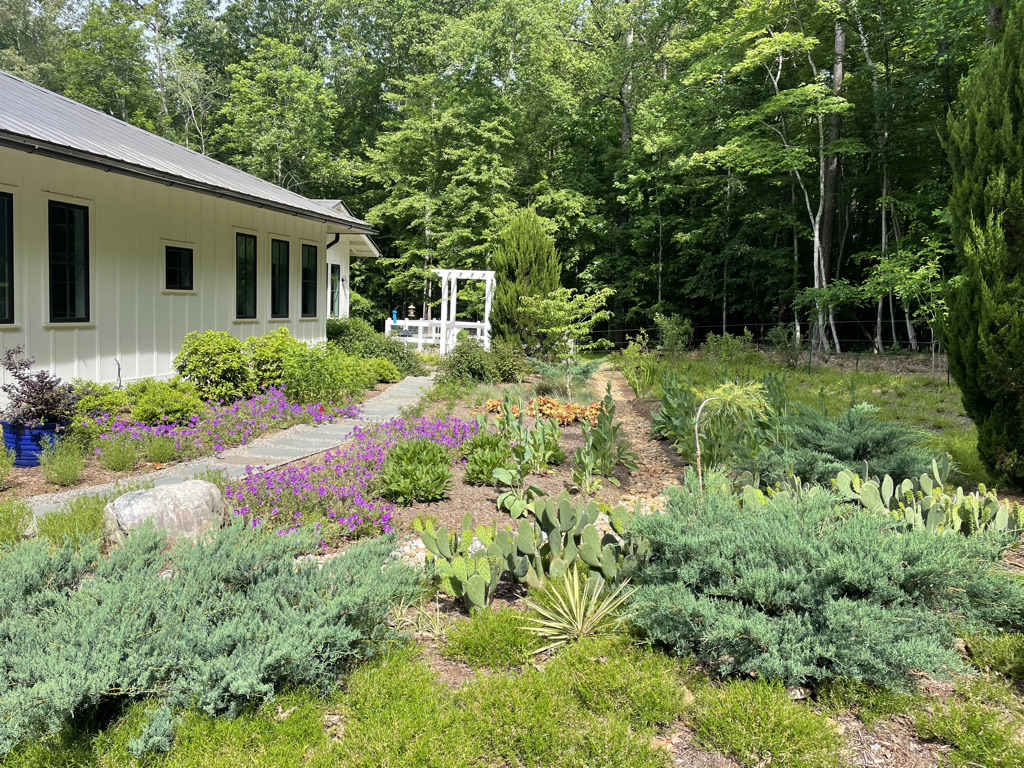
Environmental awareness has become a major driving force in landscaping design. Sustainable landscaping focuses on reducing water consumption, minimizing chemical use, and promoting biodiversity. Native plants are increasingly popular because they require less maintenance and are naturally adapted to local climates.

Rain gardens and permeable paving systems are also gaining attention. These features help manage stormwater runoff and reduce flooding risks. Instead of traditional concrete surfaces, designers are using materials that allow water to seep into the ground naturally.

Another important aspect is xeriscaping, a technique that emphasizes drought-tolerant plants and efficient irrigation systems. This approach is especially valuable in regions with limited water resources. By adopting sustainable practices, homeowners and designers contribute to environmental conservation while reducing long-term maintenance costs.

Integration of Technology in Landscaping

Technology is playing an increasingly important role in modern landscaping. Smart irrigation systems, for example, use sensors and weather data to optimize watering schedules. This ensures that plants receive the right amount of water without waste.

Outdoor lighting has also become more advanced, with energy-efficient LED systems and smart controls that allow users to adjust brightness and timing through mobile apps. Some landscapes even incorporate automated maintenance tools such as robotic lawn mowers.

Additionally, 3D design software allows landscape architects to create detailed visualizations before any physical work begins. This helps clients better understand the final design and make informed decisions about layout, materials, and plant selection.

Minimalist and Contemporary Design Aesthetics

Modern landscaping often embraces minimalist design principles. Clean lines, simple layouts, and uncluttered spaces define this style. Instead of overly complex gardens, designers focus on balance, symmetry, and intentional use of space.

Hardscaping elements such as stone pathways, concrete slabs, and metal accents are frequently combined with greenery to create contrast. Neutral color palettes and geometric shapes are commonly used to achieve a modern look.

This approach not only enhances visual appeal but also makes maintenance easier. A minimalist landscape reduces the need for constant upkeep while still providing a sophisticated and elegant appearance.

The Growing Popularity of Native and Natural Planting

There is a strong movement toward using native plants in landscaping design. These plants are naturally suited to local soil, climate, and rainfall conditions, making them more resilient and sustainable. They also support local wildlife, including birds, bees, and butterflies.

Natural planting designs aim to replicate ecosystems found in nature rather than forcing structured, artificial layouts. This creates a more organic and relaxing environment. Wildflower meadows, prairie-inspired gardens, and woodland-style landscapes are becoming increasingly popular choices.

Outdoor Wellness and Biophilic Design

Another important trend is the integration of wellness-focused design. Biophilic landscaping around Raleigh is based on the idea that humans have an innate connection to nature. By incorporating natural elements into outdoor spaces, designers aim to improve mental and physical well-being.

Water features such as fountains and ponds create calming environments, while shaded seating areas encourage relaxation and meditation. Green walls and vertical gardens are also used to bring nature into compact urban spaces.

These elements help reduce stress, improve mood, and create a sense of tranquility. As urban living becomes more fast-paced, wellness-oriented landscapes provide a necessary escape.

Smart Use of Space in Urban Environments

In cities where space is limited, innovative landscaping solutions are essential. Vertical gardens, rooftop terraces, and balcony greenery are transforming small areas into lush, functional environments.

Urban landscaping focuses on maximizing every square foot. Multi-purpose furniture, modular planters, and compact greenery systems allow even the smallest spaces to feel open and inviting. This trend is especially important in densely populated areas where access to nature is limited.

Conclusion

Modern landscaping design is no longer just about beautifying outdoor areas; it is about creating meaningful, functional, and sustainable environments. From smart technology and eco-friendly practices to minimalist aesthetics and wellness-focused designs, today’s trends reflect a deeper connection between people and nature.

As lifestyles continue to evolve, landscaping will play an increasingly important role in shaping how individuals experience their surroundings. Whether large or small, outdoor spaces are becoming essential parts of modern living—offering comfort, sustainability, and a much-needed escape into nature.
Leave a Reply

Your email address will not be published. Required fields are marked *

Related Post

Creative Ways to Use Modern Tile in Your HomeCreative Ways to Use Modern Tile in Your Home

Modern tile has become one of the most versatile and stylish materials in contemporary interior design. Once limited mostly to kitchens and bathrooms, tiles are now used creatively throughout the home to enhance both beauty and functionality. With countless colors, textures, shapes, and patterns available, modern tile allows homeowners to express their personality while creating durable and easy-to-maintain surfaces.

From statement walls to unique flooring designs, there are many creative ways to incorporate modern tile into your living spaces. Whether you want to refresh a single room or redesign your entire home, modern tile can add elegance, practicality, and visual interest.

Statement Tile Walls

One of the most popular ways to use modern tile is by creating a statement wall. Instead of painting a plain wall, homeowners can install decorative tiles to add depth, texture, and personality.

Tile feature walls work beautifully in living rooms, bedrooms, and entryways. Large-format tiles with natural stone textures create a luxurious atmosphere, while geometric tiles bring a modern and artistic vibe to the space.

For example, a tiled wall behind a television can turn a simple entertainment area into a stylish focal point. Similarly, a bedroom headboard wall with patterned tiles can replace traditional decor and give the room a unique design element.

Stylish Kitchen Backsplashes

The kitchen backsplash is one of the most common areas where modern tile shines. Instead of basic white tiles, homeowners now choose bold designs, metallic finishes, or textured surfaces to enhance the kitchen’s overall style.

Hexagon tiles, subway tiles with colored grout, and mosaic patterns are popular choices that create visual interest while protecting walls from splashes and stains.

Modern tiles are also practical in kitchens because they are heat-resistant, easy to clean, and long-lasting. A creative backsplash design can transform an ordinary kitchen into a stylish and inviting cooking space.

Elegant Bathroom Designs

Bathrooms are ideal spaces for experimenting with modern tile designs. Instead of using the same tile everywhere, designers often mix patterns and textures to create a more dynamic look.

For instance, you can combine large tiles on the floor with smaller decorative tiles in the shower area. Vertical tile arrangements can make ceilings appear higher, while light-colored tiles can make small bathrooms look more spacious.

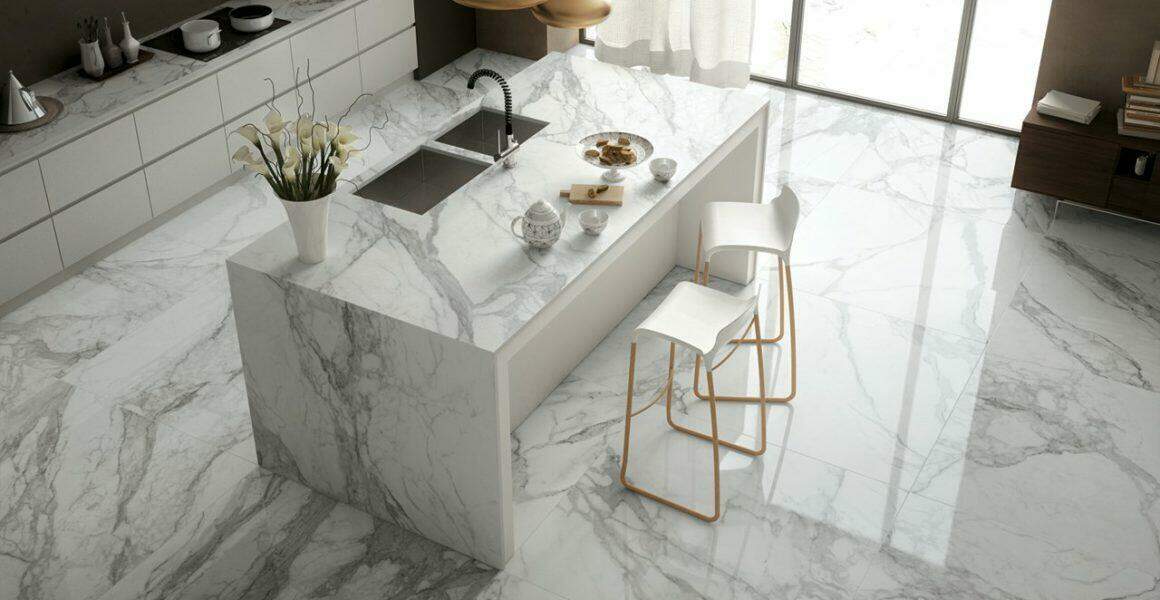
Another creative trend is using tiles with marble or stone patterns to achieve a luxurious spa-like atmosphere without the high cost of natural materials.

Eye-Catching Tile Floors

Modern tile flooring is no longer limited to simple square designs. Today, tiles come in a wide variety of shapes, including hexagons, diamonds, and rectangles that can be arranged in creative patterns.

Chevron, herringbone, and basketweave layouts are increasingly popular for adding movement and sophistication to floors. These patterns work well in hallways, kitchens, and living areas.

Large-format tiles are also trending because they create a seamless and clean look with fewer grout lines. This makes spaces feel more open and modern.

In addition to style, tile floors are extremely durable and easy to maintain, making them perfect for high-traffic areas of the home.

Decorative Fireplace Surrounds

A fireplace naturally attracts attention in a room, making it the perfect place to showcase modern tile. Instead of traditional brick or stone, homeowners can use sleek tiles to create a contemporary fireplace design.

Glossy tiles add a touch of elegance, while textured tiles create warmth and character. Neutral shades such as gray, beige, and black are popular for modern fireplace surrounds, but bold colors can also make a dramatic statement.

Using tile around a fireplace not only enhances visual appeal but also provides heat resistance and durability.

Unique Staircase Designs

Another creative way to incorporate modern tile is on staircases. Tiled stair risers can introduce color and pattern to an otherwise simple staircase.

Many homeowners choose decorative tiles with intricate patterns for each stair riser, creating a vibrant and artistic look. Others prefer minimalist designs with subtle textures that blend seamlessly with the surrounding decor.

Tile staircases are especially common in Mediterranean and contemporary homes, where they add both personality and practicality.

Outdoor Tile Applications

Modern tile is not just for indoor spaces. Many tiles are designed to withstand outdoor conditions, making them ideal for patios, balconies, and garden pathways.

Porcelain tiles are particularly popular for outdoor use because they are resistant to moisture, stains, and temperature changes. Textured tiles also provide slip resistance, making them safe for areas exposed to rain or pool water.

Using modern tile outdoors can create a seamless transition between indoor and outdoor living areas, giving your home a cohesive design.

Creative Accent Areas

Sometimes the most effective design ideas come from small details. Modern tile can be used in accent areas throughout the home to add a touch of creativity.

For example, tiled niches in bathrooms can provide stylish storage for toiletries while enhancing the room’s design. Tiled bar fronts in dining areas or entertainment spaces can create a sophisticated look.

You can even use tile to decorate furniture surfaces such as tabletops, kitchen islands, or side tables. These small accents can bring texture and personality to a space without overwhelming the design.

Mixing and Matching Tile Styles

One of the biggest trends in modern tile design is mixing different styles together. Combining matte and glossy finishes, neutral and bold colors, or large and small tiles can create unique and visually interesting spaces.

For instance, a bathroom might feature simple floor tiles paired with vibrant patterned tiles in the shower. A kitchen could combine classic subway tiles with decorative mosaic borders.

The key to successful mixing is maintaining a consistent color palette so that the overall design feels balanced and cohesive.

The Practical Benefits of Modern Tile

While modern tile offers endless design possibilities, it also provides many practical benefits. Tiles are highly durable, making them resistant to scratches, stains, and moisture. This durability ensures that tiled surfaces maintain their beauty for many years.

Tiles are also easy to clean and maintain. Most surfaces require only regular wiping or mopping to keep them looking fresh and hygienic.

Additionally, many modern tiles are eco-friendly and made from sustainable materials, making them a responsible choice for environmentally conscious homeowners.

Stylish Kitchen Backsplashes

0

Modern tile has evolved into a powerful design element that can transform every part of the home. From bold statement walls and elegant bathrooms to creative staircases and outdoor patios, tiles offer both style and practicality.

With endless options in color, texture, and shape, homeowners have the freedom to experiment with different designs and create spaces that reflect their personal taste. Whether used in large installations or small accents, modern tile adds beauty, durability, and sophistication to any home.

By exploring creative ways to incorporate modern tile into your living spaces, you can elevate your home’s design and enjoy a stylish environment that stands the test of time.

When to Call a 24-Hour Emergency Plumber Essential TipsWhen to Call a 24-Hour Emergency Plumber Essential Tips

You might think you can handle minor plumbing issues on your own, but recognizing when to call a 24-hour emergency plumber is key to protecting your home. If you find yourself facing unexpected leaks, unusual noises, or persistent clogs, these could signal a more serious problem that requires immediate attention. Ignoring these signs could lead to costly repairs and further complications. So, how do you determine the urgency of your situation, and what factors should you consider before making that call? Let’s explore these essential tips that can help you make the right decision.

Signs of a Plumbing Emergency

You mightn’t always know when you’re facing a plumbing emergency, but certain signs can make it clear. If you notice water pooling on your floor or around fixtures, that’s a red flag. This could indicate a leak that needs immediate attention to prevent further damage.

Also, keep an eye out for unexpected water pressure changes; if your water pressure drops suddenly or fluctuates, it might signal a serious issue in your pipes.

Another critical sign is the presence of foul odors. If you smell sewage or rotten eggs, it could mean there’s a blockage or a sewer line problem. Don’t ignore it!

Additionally, if your drains are backing up frequently, this isn’t just an inconvenience—it can lead to a major plumbing disaster.

Lastly, if you hear strange noises coming from your pipes, such as gurgling or banging, it’s time to call for help. These sounds often indicate a blockage or air trapped in the system.

Types of Plumbing Issues

Plumbing issues can range from minor annoyances to major catastrophes, and recognizing the type of problem can help you respond effectively.

Common types of plumbing problems include leaks, clogs, and running toilets. A small leak under your sink might seem trivial, but it can lead to mold growth and water damage if ignored.

Clogs, whether in sinks, toilets, or showers, can disrupt your daily routine. You might try a plunger or drain cleaner, but sometimes these methods aren’t enough.

If water isn’t draining properly, it could indicate a deeper issue requiring professional help.

Running toilets can waste a significant amount of water and increase your utility bills. If you notice constant flushing sounds or water continuously cycling in the tank, it’s time to investigate further.

Another serious issue is pipe bursts, which can cause extensive damage in a short time. If you hear strange noises or see signs of water damage, don’t wait.

Understanding these different types of plumbing problems enables you to determine when it’s time to call a 24-hour emergency plumber to avoid further damage and ensure your home remains safe and functional.

Time Sensitivity Factors

Recognizing the type of plumbing issue is only part of the equation; understanding the time sensitivity of the problem is equally important.

Every plumbing problem doesn’t require immediate attention, but some definitely do. For instance, if you notice water pooling around your foundation or leaking from a pipe, you need to act fast. Water damage can escalate quickly, so don’t wait around.

Next, consider the source of the issue. If it’s a clogged toilet, you might manage temporarily with another bathroom. However, if it’s a burst pipe, you’re facing a more urgent situation. Assess the potential for flooding or extensive damage.

Additionally, think about your daily routine. A malfunctioning water heater can disrupt your life significantly, especially if you rely on hot water for showers or chores.

In these cases, you shouldn’t delay calling an emergency plumber.

Potential Consequences of Delay

Ignoring a plumbing issue can lead to dire consequences. When you put off calling a 24-hour emergency plumber, you risk worsening the problem and facing significant complications. The longer you wait, the more damage can occur, and what might’ve been a simple fix could spiral into a costly disaster.

Consider the following potential consequences of delay:

  • Water Damage: Leaks can seep into walls and floors, causing mold and structural issues.
  • Increased Repair Costs: A minor issue left unaddressed often leads to extensive repairs and higher expenses.
  • Health Hazards: Mold growth from water damage can pose serious health risks to you and your family.
  • Decreased Property Value: Persistent plumbing issues can lower your home’s market value and deter potential buyers.
  • Disruption of Daily Life: A plumbing emergency can disrupt your routine, making basic tasks like cooking and bathing impossible.

Don’t underestimate the importance of timely intervention. It’s far better to make a call and have a professional assess the situation than to deal with the repercussions of waiting too long.

Finding the Right Plumber

Finding the right plumber can make all the difference when facing a plumbing emergency. You want someone reliable and skilled, so start by asking friends or family for recommendations. Personal experiences often lead you to trustworthy professionals.

Next, check online reviews. Websites like Yelp or Google can provide insight into a plumber’s reputation. Look for consistent positive feedback, especially regarding emergency services.

Ensure the plumber is licensed and insured; this protects you in case of accidents or further damage.

Once you’ve narrowed down your options, reach out to a few plumbers. Ask about their availability for emergencies and get a sense of their customer service. A responsive plumbers in Oklahoma City who answers your questions is likely to be dependable during a crisis.

Don’t forget to inquire about pricing. While you shouldn’t choose solely based on cost, having a clear understanding of potential fees can prevent surprises later.

Lastly, trust your instincts. If you feel comfortable and confident in a plumber’s abilities, you’re more likely to have a positive experience.

Conclusion

In summary, recognizing the signs of a plumbing emergency and knowing when to call a 24-hour plumber can save you time, money, and stress. Don’t hesitate if you notice water pooling, strange noises, or persistent clogs—these issues need immediate attention. Delaying repairs can lead to bigger problems down the line. So, keep your contact list handy and act quickly to protect your home and loved ones from the potential consequences of plumbing disasters.

Designing Spaces That Feel Like You Practical, Stylish Interior Design for Every RoomDesigning Spaces That Feel Like You Practical, Stylish Interior Design for Every Room

Foundations of Great Interior Design: Space, Light, and Flow

Great interior design begins long before paint colors and throw pillows. It starts with understanding how a space should function, then shaping it to support everyday life with comfort and style. The first layer is space planning. Map out pathways so people can move naturally, keep seating groups within conversation distance, and allow at least 36 inches for primary walkways. Anchor rooms with a focal point—this could be a fireplace, a view, or a striking piece of art—then arrange furniture to frame and celebrate that feature.

Light is the element that makes every other decision shine. Harness natural light by keeping window treatments airy and adjustable; place mirrors to bounce daylight deeper into the room. At night, layer lighting: ambient for overall glow, task for work surfaces and reading, and accent to highlight art, plants, or textured walls. A simple three-point strategy—overhead fixture, floor or table lamps, and a focused sconce or picture light—creates depth and drama without clutter.

Color and contrast shape mood. Start with a base of two to three hues, then build a palette using the 60/30/10 guideline: 60% dominant color, 30% supporting, 10% accent. If you prefer a calm vibe, choose low-contrast combinations like soft taupes, warm whites, and muted greens. For energy, pair complementary tones—navy with rust, olive with blush, or charcoal with brass. Pay attention to undertones; a cool gray with blue notes will clash with a warm beige, while a greige bridges both temperatures gracefully.

Texture and materiality bring tactile richness that photos can’t fully capture. Mix matte and gloss, smooth and nubby, organic and refined: think linen against leather, rattan alongside lacquer, and bouclé next to honed stone. Use rugs to zone open-plan areas, and vary scale so the room feels collected rather than matched. Large-scale art or an oversized pendant makes a confident statement, while smaller accessories—books, ceramics, and plants—add authenticity. The goal is balanced contrast: enough variety to feel layered, enough cohesion to feel intentional.

From Vision to Reality: Styles, Palettes, and Materials That Work Together

Translating inspiration into a coherent look means choosing a style—or an informed blend—then curating colors and materials to match. Contemporary design favors clean lines, neutral bases, and sculptural silhouettes. Scandinavian brings light woods, creamy whites, and a “less but better” sensibility. Mid-Century Modern mixes iconic curves, tapered legs, and saturated hues like mustard, teal, and walnut. Rustic and Farmhouse highlight natural textures—reclaimed wood, iron, stone—offset by cozy textiles. Mediterranean and Tuscan embrace sun-baked palettes, terracotta, patinaed metals, and arched forms. French Country softens everything with toile, checked linens, and distressed finishes. Urban Modern layers industrial bones—exposed brick, black metal—with plush upholstery and bold art. Urban Jungle infuses life through plants, botanical prints, and woven fibers.

To mix styles successfully, give one approach 70% dominance and allow a secondary influence to add interest. For example, a primarily Scandinavian living room can adopt Mid-Century lighting and a single vintage rug to feel collected rather than themed. Align the wood tones so they harmonize—pair pale oak with light ash, or rich walnut with blackened metal—and repeat a finish at least three times across the room for visual rhythm.

Material selections should echo your lifestyle and climate. In a coastal condo, performance fabrics resist salt air and sunscreen; in a city loft, durable surfaces like quartz and sealed concrete stand up to heavy use. Cooler climates welcome wool, boucle, and layered window treatments; warmer ones lean on stone, linen, and open weaves. Cohesion comes from a connected color palette: pull hues from a rug, artwork, or a beloved heirloom, and let those tones guide paint, textiles, and accessories throughout your home for a subtle, whole-house flow.

Visualizing options is easier than ever. AI-powered tools let you upload a photo of your actual room and preview multiple redesigns—trying Contemporary one moment and Mediterranean the next—before you commit to purchases. It’s an efficient way to see how furniture scale, wall colors, or cabinet finishes will look in your real lighting conditions. Use this to refine decisions and compare schemes side by side, especially in small spaces where every choice counts. When you’re ready to explore curated looks and fast mockups, try modern platforms that make interior design experimentation accessible in seconds.

Smart Planning and AI-Powered Visualization: Budgeting, Phasing, and Real-World Scenarios

Every successful project balances ambition with resources. Begin by listing must-haves and nice-to-haves, then assign budgets by zone: living spaces, kitchen, bath, and bedrooms. A practical rule is to invest most where quality impacts comfort daily—sofas, mattresses, and dining chairs—while using affordable finds for accent tables, side chairs, or decorative lighting. If you’re renovating, phase the work to reduce disruption: address infrastructure first (electrical, plumbing, flooring), then paint, then furnishings and decor. Keep a contingency fund of 10–15% to handle surprises gracefully.

Case Study: The 600-square-foot city apartment. The priority is flow and storage. A compact, deep-seated sofa in a mid-tone neutral maximizes seating without dominating the room. Nesting tables replace a bulky coffee table. A wall-mounted, floating media console opens floor area, while a large mirror reflects light from a single window. The palette stays tight—warm white walls, oak accents, black metal details—and a single statement rug defines the lounge zone. AI visualization helps compare layouts: try a corner sectional versus a loveseat plus lounge chair; test a gallery wall against a single oversized canvas; preview how sheer versus linen drapery affects brightness.

Case Study: Mediterranean-inspired kitchen refresh. Without changing cabinetry, paint bases a creamy ecru and upper doors a soft sage. Swap hardware for aged brass and add terracotta-toned tiles for a warm, artisanal backsplash. A plaster-look hood and woven pendants nod to coastal villas, while indoor olive trees provide living texture. Use AI to confirm undertones—ensuring the sage doesn’t skew too cool against the warm counters—and to evaluate grout colors, which dramatically shift the feel from crisp to timeworn. Small upgrades, big impact: a new faucet, runner, and barstools complete the transformation without a full gut.

Case Study: Family-friendly living room in a suburban home. Anchor the room with a performance-fabric sectional in oatmeal, layered over a low-pile patterned rug that hides spills. Flank with storage ottomans and a rounded-edge coffee table for safety. Add depth through a mix of pillows—linen, velvet, and bouclé—in an earthy trio of olive, camel, and ivory. Wall sconces free up table surfaces, and dimmers create movie-night ambiance. Use AI mockups to test gallery wall compositions, fireplace paint color, or the scale of a 72-inch versus 84-inch sofa relative to the room’s dimensions. The result is a hardworking space that still feels elevated.

Renter-friendly makeover strategies benefit from the same rigor. Stick to peel-and-stick solutions for wallpaper and backsplash, embrace freestanding storage, and update lighting with plug-in sconces and smart bulbs. Choose pieces with legs to reveal more floor and create an airy look. A cohesive scheme—say, black metal, natural oak, and ecru textiles—travels well from rental to first home. Previsualization avoids costly mistakes, letting you fine-tune furniture size, drapery length, and art placement before buying. When a tool can generate multiple concepts from a single room photo, it turns trial and error into rapid iteration, helping you land on a style that feels personal and a layout that truly works.

Whether you live in a minimalist studio or a layered family house, the formula remains consistent: clarify function, optimize flow, layer light, build a focused palette, and mix textures with intention. Embrace technology to accelerate decisions, compare styles, and safeguard your budget. With a thoughtful plan and the right visual guidance, you can shape rooms that are not just beautiful, but deeply livable—spaces that evolve gracefully as your life does.

Blog

Expert Concrete Contractors for Residential ProjectsExpert Concrete Contractors for Residential Projects

When it comes to building or improving your home, choosing expert concrete contractors can make all the difference. Concrete is the backbone of most residential construction—driveways, patios, walkways, foundations, and even decorative elements rely on quality workmanship. Hiring the right professional ensures that your project is not only durable and functional but also visually appealing. This article explores why expert concrete contractors matter and how they can transform your home with precision and creativity.

Why Expertise Matters in Residential Concrete Work

Residential projects may seem straightforward, but concrete work requires a unique blend of technical skill, experience, and artistic touch. Everything from proper mixing ratios to correct curing conditions affects the final outcome. When you hire a seasoned concrete contractor, you get:

Long-Lasting Durability

Expert contractors understand the science behind concrete. They know how to prepare the base properly, avoid common issues like cracking, and ensure the concrete can withstand years of wear and weather.

Quality Finishes

Whether you want a smooth driveway, a textured patio, or a decorative stamped walkway, a skilled contractor can deliver the perfect finish. Their eye for detail ensures the final result enhances your home’s curb appeal.

Accurate Planning

Professionals can size, shape, and design concrete elements with precision. They help you plan your project efficiently, ensuring it fits your yard, lifestyle, and long-term goals.

Popular Residential Concrete Projects

Hiring an expert contractor opens the door to a wide range of residential improvements. Some of the most common and impactful projects include:

1. Driveways

A concrete driveway sets the tone for your home’s exterior. It must be strong enough to handle heavy vehicles yet smooth and visually appealing. Professionals ensure proper grading, drainage, and reinforcement so the driveway lasts for decades.

2. Patios and Outdoor Living Spaces

Concrete patios offer a perfect blend of beauty and durability. Contractors can add textures, colors, or patterns to create an inviting space for relaxation and entertainment.

3. Walkways and Sidewalks

A well-designed Concrete Contractors Orange County walkway improves safety and enhances the flow of your landscape. Expert contractors create paths that are level, slip-resistant, and integrated seamlessly with your property.

4. Foundations and Slabs

A strong foundation is essential for any home. Experienced contractors ensure accurate leveling and concrete strength to support structures safely over time.

5. Decorative and Stamped Concrete

For homeowners wanting a stylish upgrade, decorative concrete is a great option. Contractors can replicate the look of stone, brick, or tile with stamped concrete, adding an elegant touch without the high cost.

Benefits of Hiring Expert Concrete Contractors

Professional Tools and Techniques

Experts use high-quality tools, equipment, and materials that most homeowners simply don’t have access to. This ensures a smooth, consistent finish and reduces the chance of future problems.

Efficiency and On-Time Completion

A residential project can disrupt your daily routine. Professional contractors know how to work efficiently without compromising quality, ensuring your project is completed on schedule.

Safety and Compliance

Concrete work involves heavy materials and precise calculations. Trained contractors follow strict safety standards and adhere to local building codes, protecting you from potential liabilities.

Customized Solutions

Every home and homeowner is unique. Expert contractors listen to your ideas and offer tailored solutions that complement your property’s style and structure.

How to Choose the Right Concrete Contractor

Finding the perfect contractor for your residential project doesn’t have to be difficult. Here are key factors to consider:

Check Experience and Past Work

Ask about previous residential projects and review photos or samples of their work. This gives you a clear idea of their style, skill, and consistency.

Request a Detailed Estimate

A reliable contractor provides a clear, written estimate outlining materials, labor, timeframes, and costs. This helps you avoid hidden fees or surprises.

Verify Insurance and Credentials

Ensure they have proper insurance coverage and any required certifications. This protects both you and the contractor throughout the project.

Good Communication

The best contractors take time to understand your vision, answer questions, and keep you updated. Clear communication ensures a smooth experience from start to finish.

Final Thoughts

Expert concrete contractors play a critical role in enhancing the beauty, value, and functionality of your home. Whether you’re looking to install a new driveway, build a patio, or elevate your outdoor space with decorative concrete, choosing a skilled professional guarantees high-quality, lasting results. With the right contractor by your side, your residential project will be a seamless blend of strength, style, and craftsmanship—creating a home you can enjoy for years to come.

Westcost Security: Building Trust Through Advanced Protection SolutionsWestcost Security: Building Trust Through Advanced Protection Solutions

In today’s rapidly evolving world, security has become a top priority for businesses, homeowners, and organizations alike. Westcost Security stands out as a reliable name in the security industry, offering comprehensive solutions designed to protect people, property, and assets. With the rise in digital threats, physical risks, and the need for integrated safety systems, companies like Westcost Security play a crucial role in ensuring peace of mind.

Understanding the Importance of Modern Security

Security is no longer limited to simple locks and guards. Modern threats require advanced systems that combine technology, expertise, and proactive monitoring. Westcost Security focuses on delivering tailored solutions that address both traditional and emerging risks. Whether it is surveillance systems, access control, or alarm monitoring, the goal is to create a secure environment that prevents incidents before they occur.

Businesses, in particular, face a wide range of challenges, including theft, vandalism, and cyber threats. Westcost Security understands these concerns and provides customized strategies that align with the specific needs of each client. This personalized approach ensures maximum effectiveness and efficiency.

Comprehensive Security Services

One of the key strengths of Westcost Security is its wide range of services. These typically include:

  • CCTV Surveillance Systems: Advanced camera systems allow for real-time monitoring and recording, helping deter criminal activities and provide valuable evidence when needed.
  • Access Control Solutions: These systems regulate who can enter specific areas, enhancing security for sensitive locations such as offices, warehouses, and residential complexes.
  • Alarm Systems: Intrusion detection systems alert property owners and security teams instantly in case of unauthorized access.
  • Security Personnel: Trained guards add a human layer of protection, ensuring quick response to any potential threat.
  • Remote Monitoring: Modern systems enable 24/7 monitoring from remote locations, ensuring constant vigilance.

By integrating these services, Westcost Security creates a multi-layered defense system that significantly reduces vulnerabilities.

The Role of Technology in Security

Technology is at the heart of modern security solutions. Westcost Security leverages cutting-edge tools such as smart cameras, motion sensors, and automated alert systems to enhance protection. Artificial intelligence and data analytics are increasingly being used to detect unusual patterns and predict potential risks.

For example, intelligent surveillance systems can identify suspicious behavior and notify authorities instantly. Similarly, mobile apps allow users to monitor their property from anywhere, providing convenience and control. Westcost Security continues to adopt these innovations to stay ahead in the industry.

Benefits for Businesses and Homeowners

Investing in a reliable security provider like Westcost Security offers numerous benefits:

  • Crime Prevention: Visible security systems act as a strong deterrent against criminal activity.
  • Safety Assurance: Employees, customers, and family members feel safer in a protected environment.
  • Asset Protection: Valuable assets and confidential information are safeguarded against theft or damage.
  • Quick Response: In case of emergencies, immediate alerts ensure faster action and reduced losses.
  • Peace of Mind: Knowing that your property is secure allows you to focus on other important aspects of life or business.

Customization and Scalability

Every property is unique, and so are its security needs. Westcost Security emphasizes customization, ensuring that each solution is designed according to the size, layout, and risk level of the property. Small homes may require basic surveillance, while large commercial spaces might need complex integrated systems.

Additionally, scalability is an important factor. As businesses grow, their security requirements evolve. Westcost Security provides flexible solutions that can be expanded or upgraded without major disruptions.

Commitment to Quality and Reliability

A security system is only as good as its reliability. Westcost Security prioritizes quality equipment and professional installation to ensure optimal performance. Regular maintenance and support services further enhance the effectiveness of the systems.

Customer satisfaction is another key focus. By offering prompt assistance, clear communication, and ongoing support, Westcost gun store builds long-term relationships with clients. This commitment to excellence helps establish trust and credibility in the market.

Future of Security Solutions

The future of security lies in smart integration and automation. Technologies such as biometric authentication, cloud-based monitoring, and IoT-enabled devices are shaping the next generation of security systems. Westcost Security is well-positioned to adapt to these changes and provide innovative solutions that meet future demands.

As threats continue to evolve, the need for reliable security services will only increase. Companies that invest in advanced protection systems today will be better prepared for tomorrow’s challenges.

Conclusion

Westcost Security represents a modern approach to safety and protection, combining technology, expertise, and customer-focused solutions. From residential properties to large commercial operations, their comprehensive services address a wide range of security needs. By prioritizing innovation, customization, and reliability, Westcost Security ensures that clients can enjoy a secure and worry-free environment.