
When it comes to maintaining a healthy smile, many people use the terms dentist and orthodontist interchangeably. While both professionals play essential roles in oral healthcare, they are not the same. Understanding the difference between an orthodontist and a dentist can help you make better decisions about your dental care and ensure you receive the right treatment for your needs.
This article explores the key distinctions between these two professions, including their education, services, and when you should visit each one.
What Is a Dentist?
A dentist is a general oral healthcare provider who diagnoses, treats, and manages overall dental health. They are your first point of contact for most dental concerns and play a vital role in preventive care.
Education and Training
Dentists complete a bachelor’s degree followed by a dental program, typically earning a Doctor of Dental Surgery (DDS) or Doctor of Dental Medicine (DMD) degree. Their training covers a wide range of oral health topics, including teeth, gums, nerves, and jaw structure.
Services Provided by Dentists
Dentists offer a variety of treatments, including:
- Routine check-ups and cleanings
- Fillings for cavities
- Tooth extractions
- Root canal therapy
- Gum disease treatment
- Teeth whitening and cosmetic procedures
- Preventive care and oral hygiene guidance
In short, dentists focus on maintaining overall oral health and preventing dental issues before they become serious.
What Is an Orthodontist?
An orthodontist is a dental specialist who focuses specifically on diagnosing, preventing, and correcting misaligned teeth and jaws. Their expertise lies in improving both the function and appearance of your smile.
Education and Training
After completing dental school, orthodontists undergo additional specialized training, usually lasting two to three years. This advanced education focuses on tooth movement, facial development, and alignment techniques.
Services Provided by Orthodontists
Orthodontists specialize in treatments such as:
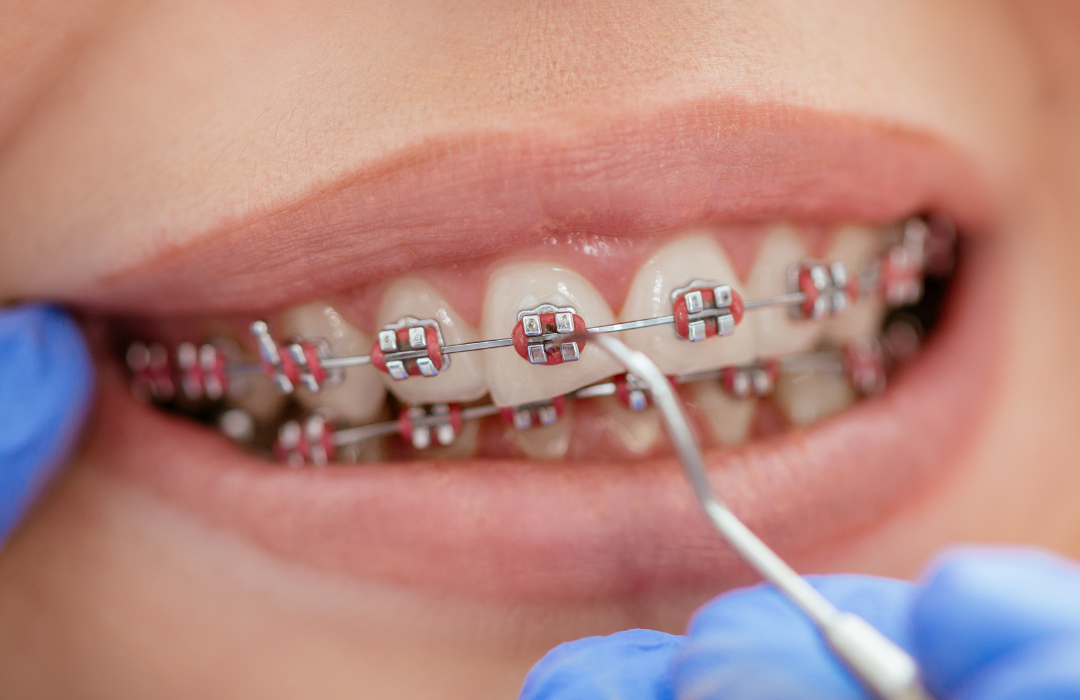
- Braces (metal, ceramic, or lingual)
- Clear aligners (like Invisalign)
- Retainers
- Jaw alignment correction
- Treatment of bite issues (overbite, underbite, crossbite)
Their work is often more specialized and long-term compared to general dentistry.
Key Differences Between Orthodontists and Dentists
Although both professionals care for your oral health, several important differences set them apart.
1. Scope of Practice
Dentists provide general dental care, while orthodontists focus specifically on alignment and bite correction. If you have a cavity or gum issue, you’ll see a dentist. If your teeth are crooked or your bite is off, an orthodontist is the right choice.
2. Level of Specialization
All orthodontists are dentists, but not all dentists are orthodontists. Orthodontists complete additional years of specialized training beyond dental school.
3. Types of Treatments
Dentists handle a broad range of procedures, from cleanings to restorative work. Orthodontists, on the other hand, concentrate on straightening teeth and aligning jaws using specialized tools and techniques.
4. Treatment Duration
Dental treatments are often short-term, such as a single visit for a filling. Orthodontic treatments typically take months or even years, depending on the complexity of the case.
When Should You Visit a Dentist?
You should visit a dentist regularly for routine care and whenever you experience general dental issues. Common reasons to see a dentist include:
- Regular check-ups (every six months)
- Tooth pain or sensitivity
- Bleeding gums
- Cavities or tooth decay
- Bad breath or oral infections
Dentists also play a key role in early detection. They may identify alignment issues and refer you to an orthodontist if needed.
When Should You Visit an Orthodontist?
An orthodontist is the right choice when you have concerns about the alignment of your teeth or jaw. You might need orthodontic care if you experience:
- Crooked or crowded teeth
- Gaps between teeth
- Difficulty chewing or biting
- Jaw pain or clicking sounds
- Overbite, underbite, or crossbite
Orthodontic treatment is not just about aesthetics—it also improves oral function and long-term health.
Can a Dentist Perform Orthodontic Treatments?
Some dentists offer basic orthodontic services, such as clear aligners. However, complex cases usually require the expertise of a trained orthodontist. For significant alignment issues or jaw corrections, it’s best to consult a specialist to ensure optimal results.
Why the Difference Matters
Understanding the difference between a dentist and an orthodontist ensures you receive the most appropriate care. Choosing the right professional can:
- Save time and money
- Prevent complications
- Improve treatment outcomes
- Enhance both oral health and appearance
For example, treating misaligned teeth without proper expertise can lead to bite problems or relapse after treatment.
How Dentists and Orthodontists Work Together
Dentists and orthodontists often collaborate to provide comprehensive care. A dentist may refer a patient to an orthodontist for alignment issues, while the orthodontist ensures that the patient maintains good oral hygiene throughout treatment.
This teamwork ensures that both the health and alignment of your teeth are properly addressed.
Benefits of Orthodontic Treatment
While dentists focus on overall oral health, orthodontic treatment offers additional benefits, such as:
- Improved smile aesthetics
- Better oral hygiene (straight teeth are easier to clean)
- Reduced risk of tooth decay and gum disease
- Enhanced chewing and speech
- Prevention of jaw problems
These benefits highlight why orthodontist in Atlanta care is an important part of long-term dental health.
Choosing the Right Professional
When deciding between a dentist and an orthodontist, consider your specific needs:
- For general care, prevention, and treatment of common dental issues, choose a dentist.
- For alignment, bite correction, and straightening teeth, consult an orthodontist.
In many cases, starting with a dentist is the best approach, as they can guide you to the appropriate specialist if necessary.
What Is an Orthodontist?
0
While dentists and orthodontists share a common goal—helping you achieve a healthy smile—their roles are quite different. Dentists provide general oral care, focusing on prevention and treatment of everyday dental problems. Orthodontists, on the other hand, specialize in correcting alignment and bite issues through advanced training and techniques.
Understanding these differences allows you to make informed decisions about your oral health. Whether you need a routine check-up or a complete smile transformation, knowing who to visit ensures you get the best care possible.