
Business A Complete Guide to Wholesale Beverage Suppliers in Europe

A Complete Guide to Wholesale Beverage Suppliers in Europe

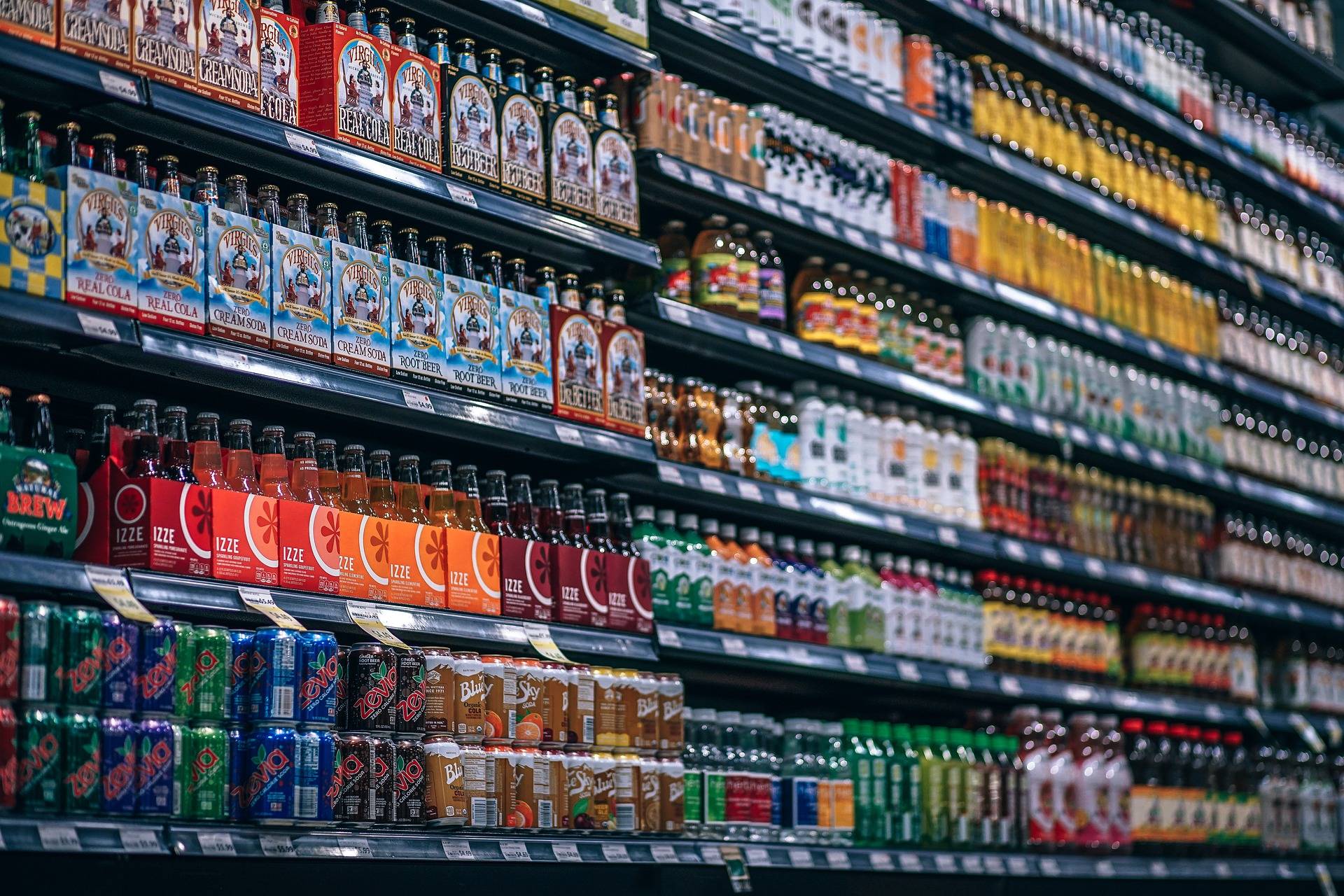
The European beverage market is one of the most dynamic and lucrative sectors in the global food and drink industry. From premium wines in France to energy drinks in Germany and soft drinks distributed across the continent, Europe offers a vast network of wholesale beverage suppliers serving businesses of all sizes. Whether you are a retailer, restaurant owner, or distributor, understanding how wholesale beverage suppliers operate in Europe is essential for building a profitable and sustainable business.

This guide explores everything you need to know about wholesale beverage suppliers in Europe, including how they work, types of suppliers, key benefits, and tips for choosing the right partner.

Understanding Wholesale Beverage Suppliers

Wholesale beverage suppliers act as intermediaries between manufacturers and businesses. They purchase beverages in bulk directly from producers and sell them to retailers, restaurants, hotels, and other distributors at competitive prices.

These suppliers typically deal in large volumes, allowing them to offer better pricing and consistent supply. Many companies, such as Tradexports Group, specialize in distributing beverages across Europe with a strong focus on logistics and customer service.

Wholesale suppliers may operate locally, regionally, or internationally, depending on their network and infrastructure.

Types of Wholesale Beverage Suppliers in Europe

The European market includes several types of beverage wholesalers, each catering to different business needs.

1. Full-Service Beverage Distributors

These suppliers offer a wide range of products, including alcoholic and non-alcoholic beverages. Companies like ROC Beverages BV provide everything from soft drinks and mineral water to wines, spirits, and energy drinks.

They often provide:

  • Bulk purchasing options
  • Warehousing and logistics
  • Export services
  • Market insights

2. Specialized Beverage Suppliers

Some wholesalers focus on specific categories such as energy drinks, craft beers, or premium wines. For example, Woove GmbH specializes in wholesale energy drinks and supplies well-known brands like Red Bull and Monster in bulk quantities.

Specialized suppliers are ideal for businesses targeting niche markets.

3. Importers and Exporters

These suppliers focus on sourcing beverages from international markets and distributing them across Europe and beyond. Intersupply Group is an example of a company that buys beverages in large volumes globally and distributes them through bonded warehouses.

They are particularly useful for businesses looking to access international brands.

4. Platform-Based Distributors

Modern distribution platforms like Bemakers offer digital solutions that simplify cross-border beverage sales. These platforms help brands manage logistics, compliance, and distribution across multiple European markets.

Product Categories Available

Wholesale beverage suppliers in Europe typically offer a diverse range of products, including:

  • Soft drinks and carbonated beverages
  • Energy and sports drinks
  • Juices and functional beverages
  • Mineral and sparkling water
  • Beer and cider
  • Wine and champagne
  • Spirits such as vodka, whiskey, and rum

Suppliers like Hot Brands provide a comprehensive portfolio covering beers, wines, spirits, and non-alcoholic drinks, ensuring businesses can source everything from a single partner.

Key Benefits of Working with European Wholesale Suppliers

1. Competitive Pricing

Wholesale suppliers buy in bulk, allowing them to negotiate better deals with manufacturers. These savings are passed on to clients, helping businesses maintain strong profit margins.

2. Wide Product Selection

European wholesalers often carry extensive catalogs, making it easy for businesses to diversify their offerings and meet customer demand.

3. Reliable Supply Chain

A dependable supplier ensures consistent stock availability and timely delivery, which is crucial for maintaining operations.

4. Logistics and Distribution Support

Many suppliers handle shipping, customs, and documentation, simplifying cross-border trade within Europe and internationally.

5. Market Insights

Experienced suppliers provide valuable insights into consumer trends, helping businesses stock popular and high-demand products.

How the European Beverage Supply Chain Works

The supply chain typically follows these steps:

  1. Manufacturers produce beverages
  2. Wholesalers purchase in bulk
  3. Distributors transport products
  4. Retailers/Hospitality Businesses sell to consumers

In some cases, wholesalers also act as distributors, managing the entire process from sourcing to delivery.

Europe’s beverage market is highly regulated, requiring compliance with tax laws, labeling standards, and import/export rules. Many suppliers assist clients in navigating these complexities.

Factors to Consider When Choosing a Supplier

Selecting the right wholesale beverage supplier is critical to your business success. Here are key factors to evaluate:

1. Product Range

Ensure the supplier offers the types of beverages your business needs. A diverse catalog can reduce the need for multiple suppliers.

2. Specialized Beverage Suppliers

0

Compare pricing across different suppliers to ensure you are getting competitive rates.

2. Specialized Beverage Suppliers

1

Some suppliers require large minimum orders, which may not suit smaller businesses.

2. Specialized Beverage Suppliers

2

Check delivery timelines, shipping costs, and geographic coverage.

2. Specialized Beverage Suppliers

3

Look for suppliers with positive reviews, strong industry experience, and proven reliability.

2. Specialized Beverage Suppliers

4

Ensure the supplier meets European safety and quality standards.

Trends in the European Wholesale Beverage Market

The energy drinks wholesale europe beverage industry in Europe is evolving rapidly. Some of the key trends include:

2. Specialized Beverage Suppliers

5

Energy drinks and health-focused beverages are experiencing strong demand, driven by younger consumers and fitness trends.

2. Specialized Beverage Suppliers

6

Consumers are willing to pay more for high-quality wines, craft beers, and premium spirits.

2. Specialized Beverage Suppliers

7

Online wholesale platforms are making it easier to source beverages and manage supply chains.

2. Specialized Beverage Suppliers

8

Many suppliers are adopting sustainable practices to meet environmental regulations and consumer expectations.

2. Specialized Beverage Suppliers

9

With improved logistics and digital tools, businesses can now easily source beverages from across Europe.

Challenges in the Industry

Despite its opportunities, the wholesale beverage market in Europe also faces challenges:

  • Complex regulations and compliance requirements
  • Fluctuating transportation costs
  • Supply chain disruptions
  • Competition among suppliers

Working with experienced and well-established suppliers can help mitigate these risks.

Tips for Success in Wholesale Beverage Sourcing

To maximize your success when working with European suppliers:

  • Build long-term relationships with reliable partners
  • Start with smaller orders to test quality and service
  • Stay updated on market trends
  • Negotiate pricing and terms
  • Diversify your supplier base to reduce risk

Conclusion

Wholesale beverage suppliers in Europe play a crucial role in connecting producers with businesses across the continent and beyond. With a wide variety of suppliers—from full-service distributors to specialized providers—businesses have numerous options to source high-quality beverages at competitive prices.

By understanding how the market works, evaluating suppliers carefully, and staying informed about industry trends, you can build a strong supply chain that supports long-term growth. Whether you are entering the market or expanding your operations, partnering with the right wholesale beverage supplier in Europe can give you a significant competitive advantage.

Leave a Reply

Your email address will not be published. Required fields are marked *

Related Post

Discover the Best Halal Food in Penndel, PADiscover the Best Halal Food in Penndel, PA

If you’re searching for the best halal food in Penndel, PA, you’re in for a treat. Penndel, a quaint town in Bucks County, has seen a growing diversity in its culinary scene. From traditional Middle Eastern dishes to contemporary halal fast food, the town offers a variety of options to satisfy any craving. Whether you are a local resident or a visitor passing through, finding high-quality best halal food in Penndel PA food in Penndel is easier than ever.

Why Halal Food is Popular in Penndel

Halal food, which follows Islamic dietary laws, has grown in popularity across the United States. Penndel, with its welcoming community and cultural diversity, has embraced this trend. People appreciate halal food not only for religious reasons but also for its emphasis on cleanliness, ethical meat sourcing, and fresh ingredients. Locals now actively seek restaurants and eateries that offer authentic halal dishes. This growing demand has motivated many restaurants in Penndel to include halal options on their menus.

Top Halal Restaurants in Penndel

When it comes to the best halal food in Penndel, PA, several restaurants stand out. One of the most popular spots is Aladdin’s Mediterranean Grill, known for its flavorful shawarma and kebabs. Their menu features a wide selection of halal-certified meats, fresh vegetables, and aromatic spices. Customers love the cozy atmosphere and friendly service, making it a favorite for family dinners and casual meals.

Another highly recommended place is Halal Bistro & Grill, which offers a modern twist on traditional dishes. From juicy chicken kabobs to perfectly cooked lamb gyros, every item is prepared following strict halal standards. The restaurant also caters to takeout and delivery, making it convenient for those with busy schedules.

For those who enjoy fast food, Naan & Curry Express is a must-visit. This eatery serves halal burgers, wraps, and curries, combining convenience with quality. Their spicy chicken tikka and beef kebabs are particularly popular among locals. It’s no wonder this spot is often mentioned when talking about the best halal food in Penndel, PA.

Signature Dishes to Try

When exploring halal options in Penndel, there are a few signature dishes that shouldn’t be missed. Chicken shawarma is a staple at almost every halal restaurant, offering marinated chicken cooked to perfection. Lamb kebabs, grilled over open flames, are another crowd favorite, delivering a rich and smoky flavor. For those who love a hearty meal, halal biryani—a fragrant rice dish with tender meat and spices—is a must-try.

Don’t forget to sample some of the sides and appetizers that accompany these meals. Hummus, tabbouleh, and falafel are popular choices, providing fresh and healthy additions to any plate. These dishes showcase the variety and depth of flavor that make halal food in Penndel so unique.

Catering and Special Occasions

Many halal restaurants in Penndel also offer catering services for weddings, birthdays, and community events. If you’re planning a gathering, having halal food in Penndel, PA can ensure that all guests, including those observing dietary laws, enjoy delicious meals. Catering menus often feature a mix of appetizers, entrees, and desserts, allowing hosts to create a memorable dining experience without the stress of cooking.

Tips for Finding the Best Halal Food

To truly enjoy the best halal food in Penndel, PA, consider a few simple tips. First, check for halal certification or ask the restaurant staff about their sourcing practices. This guarantees that the food adheres to strict halal standards. Second, read reviews online to see what other customers recommend. Popular dishes and consistently positive feedback often indicate quality. Lastly, explore a variety of cuisines. Halal food is not limited to Middle Eastern fare; you’ll find Indian, Pakistani, Mediterranean, and even American-style halal dishes in Penndel.

Conclusion

Finding the best halal food in Penndel, PA has never been easier. With a growing number of restaurants offering authentic, flavorful, and halal-certified dishes, both locals and visitors can enjoy diverse culinary experiences. Whether you prefer traditional Middle Eastern meals, Indian curries, or fast-food options, Penndel has something to satisfy every craving. By exploring the town’s halal eateries, you’ll discover why so many people keep coming back for more.

Whether it’s for dine-in, takeout, or catering, Penndel’s halal food scene promises quality, flavor, and a welcoming experience for everyone. So, the next time you’re in town and craving a delicious halal meal, remember that Penndel has some of the best halal food in Pennsylvania waiting for you.

The Ultimate Guide to Finding the Best Crispy Fried Chicken Near MeThe Ultimate Guide to Finding the Best Crispy Fried Chicken Near Me

When cravings strike, few foods hit the spot quite like a hot, crunchy, perfectly seasoned piece of fried chicken. Whether you are hungry for a quick lunch, planning a family dinner, or simply seeking comfort food that delivers unmatched satisfaction, many people turn to their phones and search for crispy fried chicken near me.” But what truly makes great fried chicken, and how can you find the best spots around you? This guide breaks down everything you need to know to satisfy your cravings with confidence.

Why Crispy Fried Chicken Is a Worldwide Favorite

Across cultures and cuisines, fried chicken holds a special place in people’s hearts. The irresistible combination of a golden-brown crust, juicy meat, and bold spices makes it a dish that appeals to almost everyone. When you search for crispy fried chicken near me, you’re not just looking for food—you’re looking for comfort, nostalgia, and flavor. Many restaurants use secret spice blends, double-frying techniques, or buttermilk marinades to achieve the perfect balance of taste and texture. The universal love for fried chicken is why new restaurants, food trucks, and delivery options continue to appear every year, offering their own traditions and twists on this classic dish.

What Makes the Perfect Crispy Fried Chicken?

Before you decide where to look for crispy fried chicken near me, it helps to understand what separates average fried chicken from unforgettable fried chicken. First, texture is everything. The exterior should be crunchy but not too hard, and the coating should cling to the meat—not fall off the moment you take a bite. Next, flavor matters. Great fried chicken has seasoning infused into every layer, from the skin to the meat itself. Finally, freshness makes a difference. Crispy fried chicken is best when it’s just been cooked, with steam rising from the inside and a crust that crackles with every bite. Any restaurant that can deliver all three consistently is worth visiting again and again.

How to Find the Best Crispy Fried Chicken Near You

With endless food options available, finding the best crispy fried crispy fried chicken near me near me can feel overwhelming. The good news is that several strategies can help you narrow it down. Start by checking local reviews and ratings online. Customers often share valuable insights about portion sizes, cooking quality, seasoning, and customer service. Next, look for restaurants or food trucks that specialize in fried chicken. Specialty spots usually take pride in their craft and offer unique recipes or preparation styles. You can also rely on social media, where photos, videos, and foodie recommendations can guide you toward local favorites. Finally, trust word-of-mouth suggestions from friends and coworkers—they often know the hidden gems that don’t always appear online.

Popular Styles of Crispy Fried Chicken to Explore

When you search for crispy fried chicken near me, you may notice that different places serve different styles. Classic Southern fried chicken is known for its buttery seasoning, flaky crust, and tender meat. Korean fried chicken is double-fried for extra crispiness and often served with sweet, spicy, or soy-based sauces. Nashville hot chicken offers intense flavor with its fiery chili oil coating. Japanese karaage is lighter and focuses on ginger and soy marinades. Some modern restaurants even experiment with global spices, gluten-free coatings, and oven-fried variations. Understanding these styles allows you to choose the type of crispy perfection you’re craving.

Dine-In, Takeout, or Delivery: Choosing the Best Way to Enjoy It

Your search for crispy fried chicken near me will likely present three main options: dine-in, takeout, or delivery. Dine-in is often the best way to enjoy fried chicken at peak freshness—crispy, hot, and straight from the kitchen. However, takeout is great for busy days or family meals at home. Many restaurants use vented packaging to keep the crust from becoming soggy. Delivery is the most convenient option, especially when you don’t feel like going out. Just make sure to choose restaurants known for delivering food quickly so the chicken maintains its crunch by the time it reaches your door.

What Sides Go Best with Crispy Fried Chicken?

Part of the joy of searching for crispy fried chicken near me is discovering the delicious sides that come with it. Classic pairings include mashed potatoes, coleslaw, biscuits, macaroni and cheese, and fries. Some restaurants offer more creative options like honey butter cornbread, spicy pickles, seasoned rice, or fresh salads. If you like heat, hot sauces and chili spreads elevate the flavor even more. For a sweeter twist, dipping crispy chicken into honey or maple syrup is a guilty pleasure many people swear by.

Final Thoughts: Enjoy Your Crispy Fried Chicken Adventure

Finding the best crispy fried chicken near me doesn’t have to be complicated. With so many choices and styles available, you can turn your search into a fun culinary adventure. Whether you prefer traditional Southern flavors, spicy international versions, or trendy modern takes, there’s always a delicious plate of fried chicken waiting for you just around the corner. Trust your taste buds, explore local recommendations, and savor every crunchy, mouthwateringly satisfying bite

Essential Soldering Tools for BeginnersEssential Soldering Tools for Beginners

For beginners, soldering can seem intimidating at first. However, having the right tools makes learning easier and safer.

A basic here iron with 25–40 watts is ideal for beginners. Solder wire, preferably rosin-core, is essential for creating strong joints. Flux helps clean surfaces and improve solder flow.

A soldering iron stand prevents accidents, while tip cleaners keep tools functioning properly. Helping hands tools hold components steady and improve accuracy.

Desoldering tools allow beginners to fix mistakes, which are part of the learning process. Safety equipment such as glasses and proper ventilation are also important.

With the right beginner tools, learning soldering becomes an enjoyable and rewarding skill.

The Future of Innovation: Custom Software Development Across the UKThe Future of Innovation: Custom Software Development Across the UK

In an era defined by rapid technological change and digital transformation, the United Kingdom stands at the forefront of custom software development. As businesses evolve and markets become more competitive, bespoke software solutions are no longer optional—they are essential drivers of innovation, operational efficiency, and sustainable growth. The UK’s software industry is transitioning from traditional development models to highly adaptive, intelligent, and future-ready frameworks that respond to the complex demands of modern enterprises.

A Growing Market with Strong Momentum

The custom software development market in the UK is experiencing robust expansion. According to industry projections, the sector is set to grow at a compound annual growth rate (CAGR) of nearly 20–24% over the next decade, reflecting strong demand for tailored digital solutions across industries. By 2030, the market’s revenue is expected to reach several billion U.S. dollars, highlighting its strategic importance to the broader UK technology ecosystem.

This growth is driven by a confluence of factors: organisations seeking competitive advantage, the need to replace legacy systems, increasing regulatory complexity, and the rising adoption of cloud-native architectures. Bespoke software development enables companies to build systems that align precisely with their unique processes, customer needs, and long-term strategic goals—advantages that off-the-shelf products cannot match.

Emerging Technologies Shaping the Future

At the heart of the UK’s custom software evolution are several emerging technologies that are reshaping how software is conceived, built, and delivered.

1. Artificial Intelligence and Machine Learning

Artificial intelligence (AI) is transforming software development from a manual, resource-intensive process into a highly automated, intelligent workflow. In the UK, AI is increasingly embedded into the software development lifecycle (SDLC) itself—supporting tasks such as code completion, automated testing, documentation, and quality assurance.

AI’s influence extends beyond tooling. Research shows that AI can catalyse innovation in software engineering by automating repetitive tasks, improving code quality, and enabling teams to focus on strategic problem-solving.

However, UK organisations are taking a cautious and controlled approach to AI adoption, prioritising auditability, human oversight, and regulatory compliance—especially in sectors like finance, healthcare, and public services where errors can carry high risks.

2. Cloud Computing and Microservices

Cloud infrastructure continues to drive custom software innovation in the UK. Cloud-native architectures allow development teams to build scalable, resilient, and flexible systems that can evolve with business needs. Microservices, containerisation, and serverless computing are now core components of modern software stacks, enabling rapid deployment and seamless scaling across distributed environments.

This shift to cloud-first development is critical as businesses seek to reduce costs, improve performance, and support remote collaboration among global teams.

3. Internet of Things (IoT) and Connected Systems

IoT is expanding the scope of custom software beyond traditional applications to include connected devices, sensors, and edge computing platforms. In sectors such as manufacturing, logistics, smart cities, and healthcare, bespoke software is essential for managing complex data flows, real-time analytics, and automated responses across distributed systems.

4. Low-Code and No-Code Platforms

While not replacing traditional development, low-code and no-code platforms are empowering business users to build simple custom applications quickly. These platforms accelerate prototyping and reduce development backlogs, allowing IT teams to focus on more complex, mission-critical software.

Practical Trends in UK Custom Software Development

Looking toward 2026 and beyond, several practical trends are influencing how custom software is designed and delivered across the UK:

AI in the Development Process, Not Just the Product

Rather than embedding AI directly into end-user products, many UK teams are using AI tools to enhance internal processes such as code review, test automation, and documentation generation. This approach reduces risk while still unlocking productivity gains.

Security by Design

Security is no longer an afterthought. Modern UK custom software projects integrate security early in architecture and design phases. Risk-based testing, secure CI/CD pipelines, and contract testing are becoming standard practice, particularly in industries with strict compliance requirements.

Sustainability and Green Software Engineering

Sustainability is emerging as a tangible constraint in software design. UK organisations are increasingly measuring resource usage, optimising data storage, and building systems that minimise energy consumption—partly driven by corporate governance and reporting standards.

Cost-Conscious Engineering

As cloud costs and AI workloads grow, development teams are treating cost as a design input. Architecture decisions now balance performance, scalability, and cost efficiency from the earliest stages of planning.

Sectoral Demand and Innovation Drivers

Custom software development is not uniform across industries; demand varies based on sector-specific challenges and opportunities.

Finance and Banking

UK banks are investing heavily in software modernisation to replace legacy systems and introduce more agile, intelligence-led delivery models. The integration of AI and automation is key to reducing maintenance costs and improving operational resilience.

Healthcare

Healthcare software is undergoing rapid transformation, driven by telehealth, patient data management, and interoperability needs. Custom solutions help providers deliver personalised care and streamline workflows—especially where legacy systems struggle to meet modern demands.

2. Cloud Computing and Microservices

0

The rise of Software-as-a-Service (SaaS) models has spurred demand for custom platform development. UK businesses increasingly choose bespoke SaaS solutions to gain flexibility, scalability, and competitive differentiation.

Challenges on the Horizon

Despite strong growth prospects, the future of custom software development in the UK faces challenges:

  • Talent Shortages: Skilled developers, particularly in AI and cloud technologies, are in high demand.
  • Legacy Modernisation: Many organisations struggle to modernise outdated systems without disrupting operations.
  • Governance and Regulation: Compliance with data protection, security standards, and ethical AI practices adds complexity to development projects.

The Human Element: Skills and Collaboration

Even as automation and AI tools proliferate, human expertise remains central to innovation. Developers must adapt to new roles that emphasise strategic thinking, problem-solving, and cross-functional collaboration. Distributed agile teams, supported by robust communication tools, will continue to be a cornerstone of successful custom software delivery.

Conclusion: A Future Built on Customisation and Innovation

The future of innovation in the UK’s custom software development landscape is bright and dynamic. With strong market growth, emerging technologies, and evolving industry practices, bespoke digital transformation services is becoming the backbone of digital transformation across sectors.

By embracing intelligent automation, secure design principles, cloud-native architectures, and sustainability, UK organisations are not just building software—they are building future-proof digital ecosystems. In this rapidly changing environment, the companies that succeed will be those that blend technological foresight with strategic agility, delivering custom solutions that empower growth, resilience, and long-term innovation.

The Role of Personal Bias in Crafting an Honest Review FilmThe Role of Personal Bias in Crafting an Honest Review Film

Your Mandate: Demand Total Transparency

Your first demand is a clear statement of bias Ruangfilm. Every reviewer has a lens. A credible Review Film creator must state theirs upfront. Demand to know their cinematic pedigree. Are they a die-hard genre purist or a casual viewer? Do they have technical filmmaking experience? This isn’t about eliminating bias; it’s about mapping it so you can calibrate your own expectations. A review that claims perfect objectivity is your first red flag. The honest Review Film uses bias as a framework, not a hidden weapon.

Ignore These Gimmicks Completely

Ignore pure spectacle. A barrage of flashy edits, meme clips, and aggressive soundtrack cuts often masks a lack of substantive critique. It’s entertainment, not analysis.
Ignore arbitrary number scores or letter grades without rigorous criteria. What makes a film a 7/10 versus an 8/10? If the scoring system isn’t explicitly defined, the score is meaningless.
Ignore hyperbolic, click-driven language. Titles proclaiming “The Worst Film Ever Made” or “A Flawless Masterpiece” are designed for algorithms, not for your informed decision. The truth is almost always in the nuanced middle.

Aggressive Budgeting Negotiation: Your Time

Your currency is attention. Negotiate aggressively with it. The opening 60 seconds are critical. If the Review Film doesn’t clearly state the film being reviewed and the reviewer’s core thesis, you walk away. Do not invest 20 minutes in a meandering vlog that finally gets to the point at the 15-minute mark. Your time budget is non-negotiable. Seek creators who respect it with tight scripting and clear structure.

Massive Red Flags That Signal a Scam

A massive red flag is the absence of specific examples. Vague praise or condemnation is worthless. If a reviewer says the cinematography is “stunning,” they must show you the exact shot and explain why. If the plot is “confusing,” they must pinpoint the narrative breakdown.
Beware of synopsis masquerading as review. Summarizing the plot for more than 30% of the runtime is a scam; you can read a synopsis anywhere.
The ultimate red flag is a consistent alignment with marketing hype or prevailing fan sentiment without independent critique. This signals a creator seeking access or popularity, not one providing an honest assessment.

Definitive “Best For” Recommendations

Best For Deep Structural Analysis

Seek out Review Films that employ the “Folding Ideas” or “Like Stories of Old” model. These are long-form essays that dissect narrative structure, thematic coherence, and philosophical underpinnings. They treat the film as a constructed text.

Best For Understanding Directorial Craft

Channels like “Every Frame a Painting” (though dormant) set the standard. Look for creators who break down editing, mise-en-scène, sound design, and