
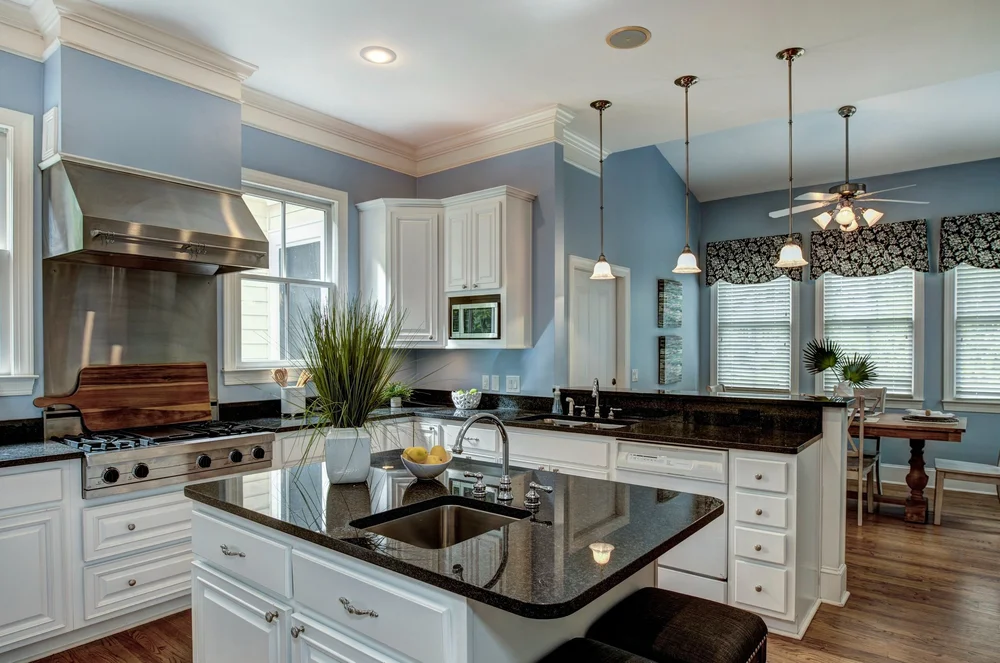
Home & Kitchen Ideas From Outdated to Stunning How Kitchen Remodeling Transforms Your Space

From Outdated to Stunning How Kitchen Remodeling Transforms Your Space

As you stand in your outdated kitchen, you can’t help but feel frustrated with the cramped layout and lackluster design. But what if you could break free from these limitations and unlock a stunning space that truly reflects your style and meets your needs? By identifying what’s holding you back and embracing a fresh perspective, you can transform your kitchen into a warm and inviting hub that brings people together. The question is, what’s possible when you let go of the old and embrace the new?

Breaking Free From Outdated Design

One of the most significant hurdles to overcome when it comes to kitchen remodeling is breaking free from outdated design.

You’re likely tired of the same old layout, but struggling to visualize something new. It’s easy to get stuck in a design rut, especially if you’ve lived with the same kitchen for years.

But, it’s time to think outside the box – or in this case, the kitchen walls.

Start by identifying what you dislike about your current kitchen.

Is it the cramped layout, the outdated color scheme, or the lack of natural light? Make a list of your pet peeves and use it as a starting point for your redesign.

You’ll be surprised at how liberating it feels to let go of the old and embrace the new.

Don’t be afraid to explore different styles, from modern to traditional, and consider what’ll work best for your lifestyle.

Unlocking Hidden Functionality Potential

Hidden potential lies within the walls of your kitchen, waiting to be unlocked. You might be surprised at the opportunities hiding behind outdated cabinetry, inefficient layouts, and underutilized spaces.

A kitchen remodel is the perfect chance to reassess your kitchen’s functionality and identify areas for improvement. By reconfiguring your layout, you can create a more efficient workflow, reducing walking distances and making meal prep a breeze.

Consider incorporating clever storage solutions, such as pull-out pantries, spice racks, and built-in trash cans, to keep your kitchen organized and clutter-free.

Don’t forget about the “dead” spaces in your kitchen, like the area above your cabinets or beneath your countertops, which can be repurposed as storage or display areas.

Elevating Aesthetics and Ambiance

As you reimagine your kitchen’s layout, don’t overlook the tremendous impact that aesthetics and ambiance have on the space’s overall feel.

The right combination of colors, textures, and lighting can transform your kitchen from dull to dazzling. You’ll want to choose a palette that reflects your personal style, whether it’s bold and bright or soft and subtle.

Consider the type of lighting that will create the ambiance you desire – warm and cozy or bright and airy.

When it comes to materials, you have endless options. From sleek quartz countertops to rustic wooden cabinets, the choices are vast.

Think about the style you’re aiming for – modern, traditional, or a mix of both. Don’t forget about the power of accessories, like fixtures, faucets, and hardware, which can add a touch of sophistication or whimsy to your space.

Maximizing Space and Efficiency

Your kitchen’s layout should be designed to maximize its functionality, making the most of every available inch.

When you’re remodeling, consider the “work triangle” concept, where your sink, stove, and refrigerator form the points of a triangle. This layout reduces walking distances and increases efficiency.

You’ll also want to think about your storage needs. Installing cabinets, drawers, and shelves that are tailored to your specific requirements will help keep your kitchen clutter-free and organized.

You can further optimize your space by incorporating multi-functional elements, such as a kitchen island with built-in storage or a sink with a built-in cutting board.

Don’t forget to consider the “landing strip” concept, where you designate a specific area near the entrance of your kitchen layout services as a spot to place keys, mail, and other items.

Creating a Heartfelt Gathering Place

With family gatherings and social events often centering around food, your kitchen has the potential to become the heart of your home.

It’s where you share meals, make memories, and connect with loved ones. A well-designed kitchen can foster a sense of community and warmth, making it an inviting space for everyone.

When creating a heartfelt gathering place, consider incorporating elements that promote socializing and togetherness.

A large island or peninsula can provide additional counter space and seating, encouraging conversation and collaboration. Choose materials and finishes that exude warmth, such as wood, stone, or earthy tones.

Add some cozy touches, like a farmhouse sink or a built-in banquette, to create a sense of comfort and relaxation.

Don’t forget about lighting – a combination of task, ambient, and accent lighting can create a warm and inviting atmosphere.

Conclusion

As you step into your newly remodeled kitchen, you’ll be amazed at how it’s transformed from outdated to stunning. By breaking free from old design, unlocking hidden functionality, and elevating aesthetics, you’ve created a space that’s not only beautiful but also highly efficient. With maximized storage and multi-functional elements, you’ll be cooking, socializing, and making memories with ease. Your new kitchen is now a heartfelt gathering place, perfect for years of warmth, connection, and joy.

Leave a Reply

Your email address will not be published. Required fields are marked *

Related Post

Tips for a Successful Bathroom RenovationTips for a Successful Bathroom Renovation

As you embark on your bathroom renovation journey, it’s crucial to get it right from the start. You’ve probably envisioned a spa-like oasis, but before you begin, take a step back and assess your priorities. What are your must-haves, and what can you live without? By setting a realistic budget and identifying your needs and wants, you’ll be able to navigate the renovation process with confidence. But that’s just the beginning – there are several other critical factors to consider if you want to avoid costly mistakes and ensure a successful outcome.

Set a Realistic Budget Plan

Your bathroom renovation begins with a crucial step: setting a realistic budget plan. This determines how much you can afford to spend, helping you prioritize spending and avoid costly surprises.

Start by considering the scope of your project. Will you be updating fixtures, retiling, or rearranging the layout? Make a list of must-haves and nice-to-haves to help you allocate funds.

Next, research costs associated with your desired changes.

Get quotes from contractors, suppliers, and manufacturers to get a sense of the total expenditure. Be sure to factor in contingencies for unexpected expenses, which can add up quickly. Aim to allocate 10-20% of your budget for these surprises.

Set a realistic budget by balancing your wants with your financial means. You may need to make compromises, but a well-planned budget ensures your renovation stays on track.

Consider phasing your renovation if you can’t afford to do everything at once. By setting a realistic budget, you’ll avoid financial stress and enjoy a successful bathroom renovation.

Identify Needs and Wants

Identifying your needs and wants is a crucial step in your bathroom renovation. You’re about to invest a significant amount of time, money, and effort into this project, so it’s essential to get clear on what you need versus what you want.

Start by making a list of the must-haves – the things that will make your bathroom functional and comfortable. This might include a double sink, a walk-in shower, or a linen closet.

Next, think about the nice-to-haves – the features that will enhance your bathroom experience but aren’t essential. This could be a freestanding tub, a rainfall showerhead, or a heated floor.

Be honest with yourself about what you can live without and what you’re willing to compromise on. Remember, your needs should take priority over your wants. By distinguishing between the two, you’ll be able to create a Houston bathroom renovation contractors that meets your practical needs while also incorporating some luxurious touches.

Plan for Plumbing and Fixtures

With your needs and wants in order, it’s time to focus on the behind-the-scenes elements that’ll bring your bathroom to life.

Planning for plumbing and fixtures is crucial to ensuring your bathroom functions smoothly and efficiently. Start by identifying the plumbing fixtures you need, such as sinks, toilets, and showers.

Consider the type of fixtures you want, like low-flow toilets or touchless faucets, and their corresponding plumbing requirements.

Next, think about the layout of your bathroom and how the plumbing will need to be configured.

You’ll need to determine where the water supply lines and drains will go, as well as the location of any vent pipes. This will help you avoid costly rework or changes down the line.

Make sure to research local building codes and regulations to ensure your plumbing plan meets all necessary standards.

Choose Materials and Finishes

Now that you’ve got your plumbing and fixtures planned out, it’s time to think about the aesthetic and functional aspects of your bathroom.

Choosing the right materials and finishes is crucial to creating a space that’s both beautiful and functional. Start by considering the style you want to achieve: modern, traditional, or a mix of both.

Then, think about the durability and maintenance requirements of each material. For example, natural stone like marble or granite can add a touch of luxury, but it requires regular sealing to prevent stains.

For your walls, consider ceramic or porcelain tiles, which are easy to clean and resistant to moisture. Glass tiles can add a pop of color and sophistication.

When it comes to flooring, you’ll want to choose a material that can withstand water and heavy foot traffic, such as porcelain or ceramic tiles, or natural stone.

Don’t forget about the little details, like cabinet hardware and mirror frames, which can add a finishing touch to your bathroom’s overall look.

Prepare for Construction Chaos

Your bathroom renovation is about to get real – and really messy. It’s time to accept that your bathroom will be out of commission for a while, and that’s okay.

Prepare yourself and your family for the inconvenience by setting up a temporary bathroom station with essentials like toilet paper, towels, and a shower caddy.

Clear the area around your bathroom to minimize dust and debris damage.

Cover your floors, furniture, and anything else you don’t want to get dirty. Seal off the bathroom with plastic sheets to contain the mess.

If you’re living in the house during construction, consider setting up a makeshift bathroom in another room or making arrangements to use a neighbor’s or friend’s bathroom.

Remember to stock up on patience and flexibility.

Construction timelines can be unpredictable, and things won’t always go as planned. Stay organized, communicate with your contractor, and focus on the end result – a beautiful, functional bathroom that you’ll enjoy for years to come.

Conclusion

You’ve got a solid plan in place, and now it’s time to bring your dream bathroom to life! Stay focused on your priorities, and don’t be afraid to make adjustments as needed. Remember to communicate clearly with your contractor and suppliers to avoid misunderstandings. With a realistic budget, careful planning, and the right materials, you’ll be enjoying your new bathroom in no time – and enjoying the peace of mind that comes with a successful renovation!

How Often Should You Schedule Professional Carpet Cleaning?How Often Should You Schedule Professional Carpet Cleaning?

Carpets add warmth, comfort, and style to homes and businesses. They also act as filters, trapping dust, dirt, allergens, and other particles that circulate through indoor spaces. While regular vacuuming helps maintain cleanliness, it cannot remove all the contaminants embedded deep within carpet fibers. This is why professional carpet cleaning plays a crucial role in preserving the appearance, hygiene, and lifespan of your carpets.

A common question many homeowners ask is: How often should professional carpet cleaning be scheduled? The answer depends on several factors, including foot traffic, household size, pets, and lifestyle habits.

Why Professional Carpet Cleaning Matters

Over time, carpets accumulate dirt, bacteria, allergens, and stains that standard household cleaning methods cannot fully eliminate. Professional carpet cleaners use advanced equipment and specialized cleaning solutions to reach deep into the carpet fibers and extract contaminants.

Regular professional cleaning offers several benefits:

  • Improves indoor air quality
  • Removes allergens and dust mites
  • Eliminates stubborn stains
  • Reduces odors
  • Extends carpet lifespan
  • Enhances the appearance of rooms

Investing in routine professional cleaning helps protect your flooring and maintain a healthier living environment.

General Recommendation for Most Homes

For the average household, professional carpet cleaning is recommended every 12 to 18 months. This schedule helps prevent excessive dirt buildup and keeps carpets looking fresh.

Even if a carpet appears clean on the surface, dirt particles can settle deep within the fibers. Over time, these particles act like sandpaper, causing premature wear and tear. Annual cleaning helps remove these hidden contaminants before they damage the carpet.

Homes with Children

Families with young children should consider scheduling carpet cleaning every 6 to 12 months.

Children spend significant time playing on floors and carpets. They may spill drinks, track in dirt, or bring germs into the home from outdoor activities. Regular professional cleaning helps maintain a cleaner and healthier environment for children while preventing stains from becoming permanent.

Homes with Pets

Pet owners often need more frequent carpet cleaning due to fur, dander, accidents, and odors.

A cleaning schedule of every 6 months is ideal for homes with one or more pets. If pets frequently shed or have occasional accidents, professional cleaning every 3 to 6 months may be necessary.

Pet dander can trigger allergies and become embedded deep within carpet fibers. Professional cleaning effectively removes these allergens and helps eliminate lingering pet odors.

High-Traffic Areas Need Extra Attention

Certain areas of a home experience significantly more foot traffic than others. Hallways, entryways, living rooms, and staircases often collect dirt faster than bedrooms or guest rooms.

High-traffic areas may benefit from professional cleaning every 6 to 12 months, even if the rest of the home follows an annual cleaning schedule.

Addressing heavily used areas prevents visible wear patterns and helps maintain a uniform appearance throughout the home.

Allergy and Asthma Concerns

Individuals who suffer from allergies or asthma may require more frequent carpet cleaning. upholstery cleaning.

Carpets can trap pollen, dust mites, pet dander, and other allergens that contribute to respiratory discomfort. Professional cleaning every 3 to 6 months can significantly reduce allergen levels and improve indoor air quality.

Many professional cleaning methods use powerful extraction systems that remove contaminants more effectively than standard vacuum cleaners.

Commercial Properties and Offices

Businesses typically require more frequent carpet maintenance due to higher foot traffic.

Recommended cleaning schedules include:

  • Offices: Every 3 to 6 months
  • Retail stores: Every 1 to 3 months
  • Hotels: Monthly or quarterly
  • Healthcare facilities: Frequent scheduled cleanings

Regular maintenance helps businesses maintain a professional appearance while extending the life of commercial carpeting.

Signs Your Carpet Needs Cleaning Sooner

Even if you follow a cleaning schedule, certain signs may indicate that professional cleaning is needed immediately.

Watch for:

Persistent Odors

Lingering smells from pets, food, or moisture often indicate contaminants trapped deep within carpet fibers.

Visible Stains

Some stains become increasingly difficult to remove over time. Prompt professional treatment improves the chances of complete stain removal.

Increased Allergy Symptoms

If household members experience worsening allergy symptoms, dirty carpets may be contributing to poor indoor air quality.

Dull Appearance

When carpets begin looking faded or dirty despite regular vacuuming, professional cleaning can restore their original appearance.

Heavy Dirt Accumulation

If shoes leave visible tracks or dirt seems to return quickly after cleaning, it may be time for professional service.

Choosing the Right Cleaning Method

Professional carpet cleaning companies typically offer several cleaning methods.

Steam Cleaning

Also known as hot water extraction, steam cleaning is one of the most effective methods for deep cleaning carpets. It removes dirt, allergens, and bacteria while providing thorough sanitation.

Dry Carpet Cleaning

This method uses minimal moisture and allows carpets to dry quickly. It is often suitable for commercial environments and maintenance cleaning.

Encapsulation Cleaning

Encapsulation uses specialized cleaning agents that surround dirt particles, making them easy to remove. It is commonly used for routine maintenance.

Consulting with a professional can help determine the most suitable method for your carpet type.

Conclusion

The ideal frequency for professional carpet cleaning depends on your household's unique needs. Most homes benefit from cleaning every 12 to 18 months, while homes with children, pets, allergies, or heavy foot traffic may require service every 3 to 12 months.

Regular professional carpet cleaning not only improves appearance but also contributes to healthier indoor air quality and extends the life of your investment. By following an appropriate cleaning schedule, you can keep your carpets fresh, clean, and attractive for years to come.

Senior Living Apartments and Communities: A Comprehensive GuideSenior Living Apartments and Communities: A Comprehensive Guide

As the global population ages, the demand for quality housing options tailored to seniors is on the rise. Senior living apartments and popular retirement communities in San Diego county offer not just a place to live but a lifestyle that combines comfort, safety, social engagement, and specialized care. Whether you are a senior exploring your living options or a family member helping a loved one make a decision, understanding the nuances of senior living can make the transition smoother and more rewarding.

What Are Senior Living Apartments and Communities?

Senior living apartments and communities are residential environments specifically designed for adults aged 55 and older. They range from independent living communities, where seniors maintain a high degree of autonomy, to assisted living and memory care communities, which offer varying levels of support for daily activities and healthcare needs. The primary goal of these communities is to provide a secure, engaging, and supportive environment tailored to the unique needs of older adults.

Types of Senior Living Communities

Understanding the different types of senior living options is crucial for choosing the best fit for an individual’s lifestyle and care requirements.

1. Independent Living Communities

Independent living apartments are ideal for seniors who are still active and capable of managing most daily activities on their own. These communities typically offer:

  • Private apartments or cottages

  • Maintenance-free living (housekeeping, laundry, and landscaping services)

  • Social and recreational activities

  • Dining options with nutritious meals

The focus is on providing convenience, comfort, and opportunities for socialization while allowing seniors to maintain their independence.

2. Assisted Living Communities

Assisted living apartments provide support for seniors who need help with daily tasks such as bathing, dressing, medication management, and transportation. Key features include:

  • Personalized care plans

  • 24-hour staff availability

  • Social and recreational programs

  • On-site dining with dietary accommodations

These communities balance independence with safety and support, allowing residents to enjoy a fulfilling lifestyle while receiving necessary assistance.

3. Memory Care Communities

Memory care communities are specialized facilities designed for seniors with Alzheimer’s disease, dementia, or other cognitive impairments. These communities provide:

  • Secure environments to prevent wandering

  • Staff trained in dementia care

  • Structured daily routines

  • Therapeutic activities to stimulate cognitive function

Memory care communities ensure safety, engagement, and compassion for residents with memory-related conditions.

4. Continuing Care Retirement Communities (CCRCs)

CCRCs offer a continuum of care, allowing residents to transition from independent living to assisted living or memory care as their needs change. This option is particularly appealing for seniors who want long-term stability without relocating multiple times.

Benefits of Senior Living Apartments and Communities

Moving into a senior living community can provide numerous benefits, ranging from physical and mental health advantages to social and lifestyle improvements.

1. Safety and Security

Senior living apartments are designed with safety in mind. Features such as grab bars, emergency call systems, wheelchair accessibility, and secure entrances help prevent accidents and provide peace of mind for both residents and their families.

2. Social Engagement

Loneliness and social isolation are significant concerns for older adults. Senior living communities offer opportunities for seniors to engage in social, recreational, and educational activities. Common areas, clubs, and group outings foster friendships and reduce feelings of isolation.

3. Health and Wellness Support

Many communities offer on-site fitness centers, wellness programs, and healthcare services. Regular exercise classes, nutrition programs, and access to medical care contribute to better overall health and quality of life.

4. Maintenance-Free Living

One of the biggest advantages of senior living apartments is that residents can enjoy a maintenance-free lifestyle. From housekeeping to landscaping, most responsibilities are taken care of, allowing seniors to focus on hobbies, socializing, and personal growth.

5. Peace of Mind for Families

Knowing that a loved one lives in a safe, supportive environment provides families with reassurance. Communities with on-site staff, healthcare services, and emergency response systems ensure that residents are well cared for at all times.

Choosing the Right Senior Living Community

Selecting the right community requires careful consideration of several factors:

1. Level of Care Needed

Assess the resident’s current and future care needs. If they require assistance with daily activities or have memory-related conditions, choosing a community that provides appropriate support is essential.

2. Assisted Living Communities

0

Proximity to family, friends, and healthcare providers can influence the decision. Convenient access to shopping, transportation, and cultural amenities enhances quality of life.

2. Assisted Living Communities

1

Every senior living community offers different amenities and activities. Consider what lifestyle aspects are important, whether it’s fitness programs, social clubs, dining options, or cultural events.

2. Assisted Living Communities

2

Senior living apartments vary widely in cost. Some communities offer all-inclusive pricing, while others charge separately for care and amenities. It’s important to understand the financial model, including potential increases over time and what services are included.

2. Assisted Living Communities

3

Researching the community’s reputation, staff qualifications, and resident satisfaction can help ensure a positive experience. Visiting the community, speaking with staff, and observing daily routines can provide valuable insights.

Trends in Senior Living Communities

Senior living apartments and communities continue to evolve, with trends focusing on enhancing the lifestyle and well-being of residents:

  • Technology Integration: Smart home features, telehealth services, and mobile apps for resident engagement are becoming standard.

  • Wellness-Oriented Programs: Communities increasingly focus on holistic wellness, including mental health support, fitness classes, and nutritional guidance.

  • Intergenerational Activities: Some communities offer programs that connect seniors with younger generations, fostering mutual learning and social interaction.

  • Sustainable and Green Living: Environmentally conscious design, energy-efficient buildings, and green spaces are more common in modern communities.

Making the Transition

Moving to a senior living community can be a significant change, and preparation is key to a smooth transition:

  • Decluttering and Downsizing: Simplifying possessions helps create a comfortable new home environment.

  • Personalizing the Space: Bringing familiar items, photos, and decor can make the apartment feel like home.

  • Engaging in Community Life: Participating in social and recreational activities helps residents adapt and form friendships quickly.

  • Open Communication: Discussing expectations, concerns, and goals with family and staff ensures a supportive transition.

Conclusion

Senior living apartments and communities provide more than just housing—they offer a vibrant, supportive environment where seniors can thrive physically, mentally, and socially. With options ranging from independent living to assisted care and memory support, there is a community to suit nearly every need and lifestyle. By considering factors such as level of care, amenities, location, and cost, seniors and their families can make informed decisions that promote safety, comfort, and well-being.

As the demand for senior living options continues to grow, these communities will play an increasingly important role in helping older adults lead fulfilling, engaged, and meaningful lives. Choosing the right senior living apartment or community is not just a practical decision—it is an investment in a better quality of life for the golden years.

Carpet Cleaning in Lawrenceville, NJ: Bringing Life Back to Your FloorsCarpet Cleaning in Lawrenceville, NJ: Bringing Life Back to Your Floors

Carpets do more than just cover your floors—they add warmth, comfort, and personality to your home or office. But over time, they also collect dust, allergens, stains, and odors that can dull their appearance and impact indoor air quality. If you live in Lawrenceville, NJ, keeping your carpets clean isn’t just about aesthetics—it’s about maintaining a healthier and more inviting space.

Why Carpet Cleaning Matters

Carpets act like giant filters, trapping dirt, pet dander, pollen, and even bacteria. While regular vacuuming helps, it only removes surface-level debris. Deep within the fibers, grime continues to build up over time. This can lead to unpleasant smells, discoloration, and even health concerns—especially for those with allergies or respiratory sensitivities.

Professional carpet cleaning lawrenceville nj ensures a deeper, more thorough cleanse that restores both the look and feel of your carpet. It not only extends the life of your flooring but also enhances the overall cleanliness of your home.

Common Carpet Problems in Lawrenceville Homes

1. Seasonal Dirt and Moisture

Lawrenceville experiences a mix of weather conditions throughout the year. From muddy boots in the spring to salt residue in the winter, carpets often bear the brunt of outdoor elements being tracked inside.

2. Pet Stains and Odors

Homes with pets often struggle with lingering odors and stubborn stains. Without proper cleaning techniques, these can become permanent and affect the freshness of your space.

3. High-Traffic Wear and Tear

Areas like hallways, living rooms, and entryways see heavy foot traffic. Over time, this leads to flattened fibers, visible pathways, and accumulated grime that regular cleaning can't fully address.

Professional Carpet Cleaning Methods

Hot Water Extraction (Steam Cleaning)

This is one of the most effective and widely used methods. It involves injecting hot water and cleaning solutions deep into the carpet fibers, then extracting the dirt along with the moisture. It’s ideal for removing deep-seated grime and allergens.

Dry Carpet Cleaning

For those who need a quicker turnaround time, dry cleaning methods use minimal moisture and specialized compounds to break down dirt. This allows carpets to be used almost immediately after cleaning.

Shampooing and Encapsulation

These methods involve app cleaning agents that loosen dirt, which is then vacuumed away. Encapsulation, in particular, leaves behind a residue that continues to trap dirt particles even after the cleaning process.

Benefits of Hiring Local Experts

Choosing a carpet cleaning service in Lawrenceville, NJ offers several advantages. Local professionals understand the specific challenges posed by the region’s climate and lifestyle. They are also more likely to provide personalized service, quick response times, and familiarity with local customer needs.

Moreover, professional cleaners use industrial-grade equipment and eco-friendly solutions that are safe for children and pets. This ensures a deeper clean without compromising your household’s safety.

DIY vs. Professional Cleaning

While renting a carpet cleaner or using store-bought solutions might seem cost-effective, these methods often fall short. Over-wetting, improper detergent use, and lack of powerful extraction can actually damage your carpet or leave behind residue that attracts more dirt.

Professional services, on the other hand, are trained to handle different carpet types and stains with precision. They also ensure proper drying, preventing mold or mildew growth.

How Often Should You Clean Your Carpets?

The frequency of carpet cleaning depends on your lifestyle:

  • Homes with pets or children: Every 6–9 months
  • High-traffic households: Every 6–12 months
  • Low-traffic areas: Once every 12–18 months

Regular maintenance combined with periodic deep cleaning keeps your carpets looking fresh and extends their lifespan.

Tips to Maintain Clean Carpets

Vacuum Regularly

Aim to vacuum at least twice a week, especially in high-traffic areas.

Address Spills Immediately

The quicker you act, the easier it is to prevent stains from setting.

Use Doormats

Placing mats at entrances reduces the amount of dirt tracked inside.

Rearrange Furniture

Changing furniture placement occasionally prevents uneven wear patterns.

Final Thoughts

Carpet cleaning in Lawrenceville, NJ is more than just a routine chore—it’s an investment in your home’s comfort, cleanliness, and longevity. Whether you’re dealing with stubborn stains, lingering odors, or just everyday wear, a professional cleaning service can transform your carpets and refresh your entire space.

A clean carpet not only looks better but also feels better underfoot and contributes to a healthier indoor environment. With the right care and attention, your carpets can remain a beautiful and functional part of your home for years to come.


Removing Tough Odors with Effective Carpet CleaningRemoving Tough Odors with Effective Carpet Cleaning

Carpet odors can be stubborn and unpleasant, often lingering long after spills or accidents have occurred. These smells are usually caused by bacteria, moisture trapped in fibers, food spills, pet accidents, or mold growth. Removing tough odors requires more than surface cleaning—it demands deep treatment methods that target the root cause of the smell.

Understanding the Source of Carpet Odors

Before attempting to remove odors, it is important to identify their source. Common causes include pet urine, spilled beverages, food particles, smoke, and moisture buildup. When these substances penetrate deep into carpet fibers and padding, they begin to break down and release foul smells.

Simply masking the odor with fragrances will not solve the problem. Instead, effective carpet Carpet Cleaning That Dries In One Hour Princeton NJ focuses on neutralizing and eliminating odor-causing compounds at their source.

Immediate Action for Fresh Spills

The faster a spill is treated, the less likely it is to produce long-term odor. Blotting the area immediately helps absorb moisture before it seeps deeper into the carpet.

Once excess liquid is removed, app a cleaning solution is essential. A mixture of warm water and mild detergent works well for fresh spills. For organic stains like urine or vomit, enzyme-based cleaners are more effective because they break down proteins and bacteria responsible for odor formation.

Baking Soda as a Natural Deodorizer

Baking soda is one of the most widely used and effective odor-removal agents. It works by absorbing moisture and neutralizing acidic odor molecules trapped in carpet fibers.

To use it, sprinkle a generous layer over the affected area and let it sit for several hours or overnight. The longer it remains, the more odor it absorbs. Afterward, vacuum thoroughly to remove the residue. This simple method is safe, affordable, and highly effective for mild to moderate odors.

Vinegar Solutions for Deep Cleaning

White vinegar is another powerful natural cleaning agent. Its acidic properties help neutralize alkaline odors and kill odor-causing bacteria.

A common solution involves mixing equal parts white vinegar and water in a spray bottle. Lightly mist the affected carpet area and allow it to air dry. As the vinegar evaporates, it carries away unpleasant smells. While the vinegar scent may be strong initially, it fades completely once dry.

Steam Cleaning for Deep Odor Removal

For persistent or deeply embedded odors, steam cleaning is one of the most effective solutions. The combination of hot water and suction penetrates deep into carpet fibers and padding, extracting dirt, bacteria, and odor particles.

Steam cleaning not only removes existing odors but also sanitizes the carpet, reducing the chances of future smell buildup. For best results, carpets should be cleaned every few months in high-traffic areas or homes with pets and children.

Enzyme Cleaners for Organic Odors

Organic odors, especially those caused by pets, require enzyme-based cleaning products. These cleaners contain beneficial bacteria that break down organic matter at a molecular level.

Unlike traditional cleaners, enzyme solutions do not just cover up the smell—they eliminate it completely. They are especially useful for urine, vomit, and food spills that have soaked into carpet padding.

Improving Air Circulation and Drying

Moisture is a major contributor to carpet odors. After cleaning, it is essential to dry carpets thoroughly. Using fans, opening windows, or running a dehumidifier can speed up the drying process.

Good air circulation prevents mold and mildew growth, both of which are common sources of persistent odors.

Preventing Future Odors

Prevention is key to maintaining a fresh-smelling carpet. Regular vacuuming removes dirt and organic debris before they break down. Immediate spot cleaning prevents stains from becoming long-term odor sources.

Using area rugs in high-risk zones, such as dining spaces or pet areas, can also help protect carpets from spills and odors.

Conclusion

Removing tough carpet odors requires a combination of immediate action, natural remedies, and deep cleaning techniques. From baking soda and vinegar to enzyme cleaners and steam cleaning, each method plays a role in restoring freshness. With consistent care and proper cleaning practices, carpets can remain clean, odor-free, and welcoming for years to come.