
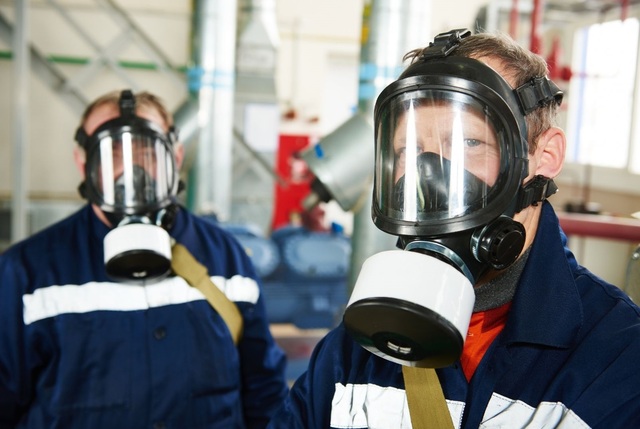
You’re likely familiar with the dangers of hydrogen sulfide, but do you know if your job requires H2S Alive training? If you work in industries like oil and gas operations, waste management, or heavy construction, the answer is probably yes. But it’s not just about the industry – specific job roles and work environments also come into play. As you navigate the complexities of your job, it’s crucial to understand the risks of H2S exposure and how to mitigate them. But where do you start?
Industries That Require H2S Training
You’re likely to encounter hydrogen sulfide (H2S) in various industries, particularly those involving oil and gas operations, waste management, and heavy construction.
These industries often involve drilling, excavation, or processing, which can release H2S from underground sources or as a byproduct of industrial processes.
You’ll find H2S in oil and gas operations, where it’s often present in crude oil and natural gas.
In waste management, landfills and sewage treatment plants can produce H2S as organic matter breaks down.
Heavy construction projects, like tunneling or excavation, can also release H2S from soil and rock formations.
In these industries, H2S exposure can be deadly, even at low concentrations.
That’s why it’s essential to understand the risks and take necessary precautions.
H2S Alive training provides workers with the knowledge and skills to detect and respond to H2S hazards, ensuring a safer work environment for everyone involved.
Job Roles Exposed to H2S Risk
What puts you at risk of H2S exposure on the job? If you’re working in a role that involves drilling, extracting, or processing oil and gas, you’re likely to encounter hydrogen sulfide.
You might be a driller, derrickhand, or well tester, working on a rig or at a wellsite. As a pipeline worker, you could be tasked with maintaining or repairing pipes that transport H2S-containing fluids.
If you’re a plant operator or maintenance worker, you might be exposed to H2S during equipment inspections or repairs.
Additionally, you could be a rescue team member or emergency responder who enters confined spaces or responds to H2S-related incidents.
Even if you’re not directly involved in oil and gas operations, you might still be at risk if you work in a role that supports these industries, such as transportation, construction, or maintenance.
If you’re unsure about your H2S risk, it’s essential to consult with your employer or supervisor to determine if H2S Alive training is necessary for your job role.
Specific Work Environments at Risk
Drilling and extraction sites, particularly those in oil and gas fields, are hotspots for H2S exposure. You’re likely to encounter hydrogen sulfide in areas where drilling or extraction activities are taking place, as the gas can be released from underground deposits or produced during the drilling process.
You’ll also find H2S in areas with high levels of organic matter, such as swamps, marshes, or sewage treatment plants.
In addition to drilling and extraction sites, you may be exposed to H2S in other specific work environments. For instance, you might encounter the gas in confined spaces, such as manholes, tanks, or pits, where it can accumulate and pose a significant risk.
You’ll also need to be aware of H2S risks in areas with poor ventilation, as the gas can quickly build up to toxic levels. If you work in any of these environments, it’s essential to take the necessary precautions to protect yourself from H2S exposure, and H2S Alive h2s alive calgary can provide you with the knowledge and skills you need to stay safe.
Emergency Responders and H2S
Emergency responders, including firefighters and paramedics, face unique challenges when responding to H2S-related incidents.
You’re often the first on the scene, and it’s crucial you’re prepared to handle the risks associated with hydrogen sulfide. When responding to an H2S emergency, you’ll need to identify the source of the leak, contain it, and evacuate the area.
You’ll also need to provide medical assistance to anyone affected by the gas.
As an emergency responder, you’re at risk of exposure to H2S, which can be deadly in high concentrations.
You’ll need to wear personal protective equipment (PPE) and follow established protocols to ensure your safety. H2S Alive training teaches you how to identify the signs and symptoms of H2S exposure, use detection equipment, and respond appropriately in emergency situations.
You’ll learn how to rescue victims, provide first aid, and communicate effectively with other responders.
With H2S Alive training, you’ll be equipped to respond confidently and safely to H2S-related incidents, protecting yourself and others from the dangers of this toxic gas.
Regulations and Compliance Standards
Meet the regulations and compliance standards governing H2S exposure, and you’ll significantly reduce the risks associated with this toxic gas.
In Canada, the Canadian Association of Petroleum Producers (CAPP) sets the guidelines for H2S safety training. You must comply with these standards if you work in the oil and gas industry.
The CAPP guidelines require that workers receive H2S Alive training, which covers essential skills like hazard recognition, risk assessment, and rescue techniques.
You’ll also need to comply with provincial and territorial regulations, such as Alberta’s Occupational Health and Safety Code, which outlines specific requirements for H2S safety training.
Additionally, your employer may have internal policies and procedures that exceed regulatory requirements. It’s essential to familiarize yourself with these standards to ensure you’re adequately prepared to handle H2S exposure.
Conclusion
You’ve learned who needs H2S Alive training to mitigate the risks of hydrogen sulfide exposure. From industries like oil and gas operations to job roles like drillers and plant operators, it’s crucial to identify those at risk. Specific work environments, emergency responders, and regulations all play a role. By understanding who needs training, you can help prevent H2S-related incidents and ensure a safer work environment.