
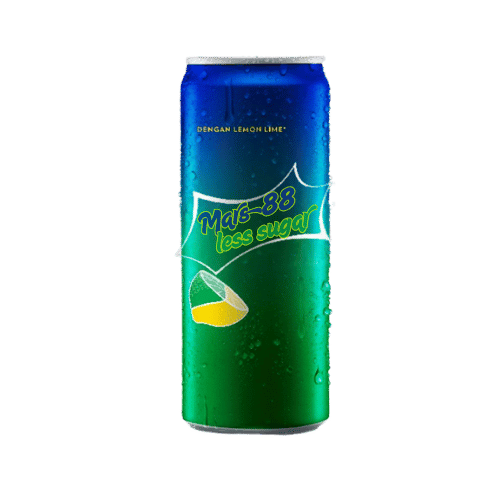
As you consider energy drinks to take your athletic performance to the next level, it’s essential to separate fact from fiction. You’re likely aware that energy drinks can provide a quick energy boost, but do you know what’s really in them, and how to use them safely? With so many options available, it can be overwhelming to navigate the market. By understanding what to look for in an energy drink and how to consume them responsibly, you can unlock their potential benefits while avoiding the risks. But where do you start?
Separating Fact From Fiction
Many athletes rely on energy drinks to give them a competitive edge, but do these beverages really deliver on their promises?
You might be surprised to find out that the answer isn’t a simple yes or no. While energy drinks do contain some ingredients that can provide a temporary energy boost, they often come with unwanted side effects that can hinder your performance in the long run.
You’ve probably seen the flashy ads and heard the claims of increased endurance and enhanced mental focus.
But what the ads don’t tell you is that these benefits are often short-lived and can be achieved through other means, like a healthy diet and regular exercise. In fact, many energy drinks contain high levels of sugar and caffeine, which can lead to energy crashes, jitters, and dehydration – all of which can negatively impact your athletic performance.
Key Ingredients to Look For
When you’re considering an energy drink to boost your athletic performance, it’s important to look beyond the flashy ads and instead focus on the ingredients that can really make a difference.
Look for drinks that contain caffeine, as it’s a well-researched stimulant that can increase alertness and endurance. Another key ingredient is branched-chain amino acids (BCAAs), which can help reduce muscle soreness and fatigue.
Electrolytes like sodium and potassium are also essential, as they help regulate fluid balance and prevent dehydration. Additionally, some energy drinks contain adaptogenic herbs like ginseng and ashwagandha, which can help your body adapt to physical stress.
Be wary of drinks with high sugar content, artificial flavors, and excessive amounts of vitamins and minerals. Instead, opt for drinks with natural ingredients and clinically-tested dosages.
Responsible Consumption Guidelines
Frequently, athletes overlook the importance of responsible energy drink consumption, which can lead to negative side effects that hinder performance.
To avoid this, you should always read the label and follow the recommended serving size. Don’t overdo it – more isn’t always better. Be aware of your caffeine intake and avoid consuming energy drinks too close to bedtime or during intense training sessions.
You should also consider your individual tolerance and sensitivity to energy drink ingredients.
If you’re new to energy drinks, start with a small amount to gauge your body’s response. Additionally, make sure to stay hydrated by drinking plenty of water throughout the day. Don’t rely solely on energy drinks for hydration, as they can lead to dehydration if not balanced with water intake.
Avoiding Energy Drink Traps
By being mindful of your energy drink consumption, you’ve taken the first step towards optimizing your performance.
However, you still need to avoid common energy drink traps that can hinder your progress. One trap is relying too heavily on energy drinks, which can lead to dependence and decreased performance over time.
Another trap isn’t reading labels carefully, which can result in consuming excessive sugar, caffeine, or other unwanted ingredients.
Be cautious of energy drinks that promise unrealistic benefits or claim to be “all-natural” without scientific backing. Also, beware of mixing energy drinks with other stimulants, such as medications or certain supplements, as this can lead to adverse interactions.
Additionally, don’t assume that all energy drinks are created equal; some may contain harmful ingredients or be manufactured with poor quality control.
Safe Energy Boosting Strategies
How do you ensure a safe energy boost that supports your athletic performance?
Start by understanding your body’s needs and limitations. Identify what causes your energy crashes, whether it’s dehydration, fatigue, or poor nutrition.
Then, focus on whole foods like fruits, nuts, and lean proteins that provide sustained energy.
When you need an extra boost, opt for energy drinks that are low in sugar and caffeine.
Look for products with fewer than 200mg of caffeine per serving, and be mindful of other stimulants like guarana and yerba mate. Also, choose drinks that contain electrolytes and antioxidants to help your body recover from intense exercise.
Remember to stay hydrated by drinking plenty of water throughout the day.
Avoid consuming energy drinks too close to your workout or competition, as they can cause jitters and an energy crash later on.
Conclusion
You’ve learned how to harness the power of energy drinks to boost your performance safely. By understanding key ingredients, following responsible consumption guidelines, and avoiding Mars88 drink traps, you can optimize your energy levels without compromising your health. Now, it’s time to put this knowledge into action and make informed choices that fuel your athletic success.