
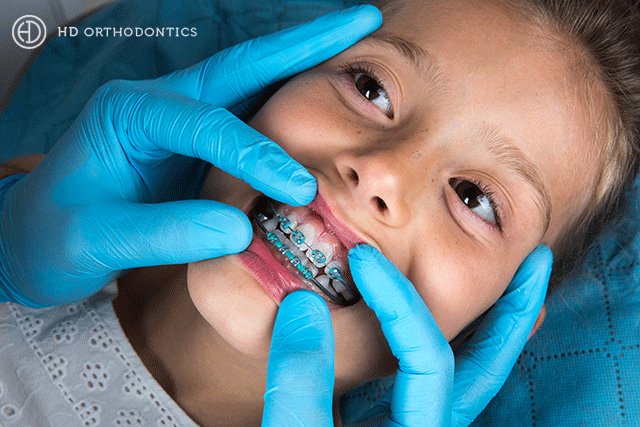
When it comes to oral health, most people are familiar with general dentists who handle routine care such as cleanings, fillings, and preventative treatments. However, for specialized treatments that focus on aligning teeth and correcting bite issues, an orthodontist is the expert to visit. Orthodontics is a branch of dentistry that deals specifically with diagnosing, preventing, and treating dental and facial irregularities. This guide will explore the role of an orthodontist, common treatments, benefits, and tips for selecting the right one for you or your family.
Who Is an Orthodontist?
An orthodontist is a dental specialist who has completed additional years of education and training beyond dental school. While general dentists focus on overall oral health, orthodontists specialize in correcting misaligned teeth, jaws, and bite patterns. They are trained to design and apply various dental appliances, such as braces and clear aligners, to move teeth into the desired positions gradually.
The path to becoming an orthodontist typically involves:
- Completing a bachelor’s degree (usually in a science-related field)
- Graduating from dental school (earning a DDS or DMD degree)
- Completing 2–3 years of specialized orthodontic residency training
This extensive training ensures that orthodontists are highly skilled in both functional and aesthetic aspects of teeth alignment. Their expertise goes beyond straightening teeth—they also focus on improving oral function and facial symmetry.
Common Reasons to Visit an Orthodontist
People of all ages may require orthodontic care. While orthodontic treatments are often associated with teenagers, adults increasingly seek treatments to improve their smiles and oral health. Common reasons to see an orthodontist include:
- Crowded or Crooked Teeth
Misaligned teeth can make brushing and flossing difficult, increasing the risk of cavities and gum disease. An orthodontist can correct crowding to improve oral hygiene and appearance. - Overbite, Underbite, or Crossbite
These bite issues can cause jaw pain, difficulty chewing, and even speech problems. Orthodontists use specialized treatments to correct these functional concerns. - Gaps Between Teeth
Spaces between teeth may occur naturally or due to tooth loss. Closing gaps can enhance the smile aesthetically and prevent shifting of adjacent teeth. - Jaw Alignment Issues
Orthodontists often evaluate jaw growth and alignment, particularly in children, to prevent long-term complications such as TMJ disorders. - Preparation for Other Dental Treatments
Orthodontic treatment may be necessary before procedures like dental implants or bridges to ensure proper spacing and bite alignment.
Treatments Offered by Orthodontists
Orthodontists provide a variety of treatments tailored to meet individual needs. The choice of treatment depends on the severity of dental issues, age, and personal preference.
1. Traditional Metal Braces
Metal braces are the most common orthodontic treatment. They consist of metal brackets attached to the teeth and connected by wires. Over time, the wires are tightened, gradually moving teeth into alignment. Despite being noticeable, modern braces are smaller, more comfortable, and more effective than ever before.
2. Ceramic Braces
Ceramic braces work similarly to metal braces but use tooth-colored or clear brackets, making them less conspicuous. They are a popular choice for those seeking a more aesthetically pleasing option without sacrificing effectiveness.
3. Lingual Braces
Lingual braces are placed on the inner surface of the teeth, making them virtually invisible from the outside. They require specialized expertise to install and maintain, making them less common but ideal for adults who prefer discreet treatment.
4. Clear Aligners
Clear aligners, such as Invisalign, are removable, transparent trays that gradually move teeth into the desired position. They offer flexibility for eating and cleaning, making them an increasingly popular alternative to traditional braces. Regular check-ups with an orthodontist ensure progress is monitored and adjustments are made as needed.
5. Retainers
After active orthodontic treatment, retainers are used to maintain teeth alignment and prevent relapse. Orthodontists design retainers based on individual treatment plans, which may include fixed or removable options.
6. Palatal Expanders
For children with narrow upper jaws, orthodontists may use palatal expanders to widen the mouth, creating more space for teeth to grow in proper alignment. This early intervention can reduce the need for more extensive treatments later.
Benefits of Seeing an Orthodontist
Visiting an orthodontist provides a wide range of benefits, both functional and aesthetic. Here are some of the most significant advantages:
1. Improved Oral Health
Straight teeth are easier to clean, reducing the risk of cavities, gum disease, and plaque buildup. Proper bite alignment also helps distribute chewing forces evenly, preventing excessive wear on certain teeth.
2. Enhanced Appearance
One of the most obvious benefits of orthodontic treatment is a straighter, more attractive smile. This can significantly boost confidence and self-esteem, affecting personal and professional interactions.
3. Corrected Bite and Jaw Alignment
Orthodontic treatments correct bite problems, reducing strain on the jaw muscles and preventing conditions such as temporomandibular joint (TMJ) disorders. Proper alignment also improves speech clarity and chewing efficiency.
4. Long-Term Dental Health
By addressing alignment issues early, orthodontists can prevent more serious dental problems in the future, potentially avoiding complex procedures like tooth extractions or jaw surgery.
2. Ceramic Braces
0
Orthodontists assess each patient individually, providing personalized treatment plans that consider age, dental structure, lifestyle, and aesthetic preferences.
Orthodontic Care for Children vs. Adults
2. Ceramic Braces
1
Early orthodontic evaluation is recommended around age 7, as this allows orthodontists to monitor jaw development and guide tooth growth. Treatments during childhood can prevent more severe problems later and often require shorter treatment times.
2. Ceramic Braces
2
Adult orthodontics has become increasingly common. Advances in treatment options, such as clear aligners and discreet braces, make it possible to achieve excellent results without drawing attention. While adults may face slightly longer treatment times due to denser jawbone structure, age is not a barrier to effective orthodontic care.
How to Choose the Right Orthodontist
Selecting the right orthodontist is critical to achieving successful outcomes. Here are some key factors to consider:
- Credentials and Experience
Ensure the orthodontist is board-certified and has extensive experience in treating cases similar to yours. - Treatment Options
Look for an orthodontist who offers a range of treatments, from traditional braces to modern aligners, to find the best fit for your needs. - Technology and Techniques
Orthodontists who use advanced diagnostic tools, 3D imaging, and digital treatment planning can provide more accurate and efficient care. - Patient Reviews and Testimonials
Reading feedback from previous patients can offer insights into the orthodontist’s professionalism, results, and office environment. - Comfort and Communication
A good orthodontist in Riverside takes time to explain treatment options, answer questions, and ensure you feel comfortable throughout the process. - Cost and Insurance Options
Orthodontic treatment can be a significant investment. Discuss payment plans, insurance coverage, and financing options before committing.
The Orthodontic Treatment Process
The process of receiving orthodontic care generally follows several stages:
- Initial Consultation
The orthodontist evaluates teeth, jaws, and bite, often using X-rays, photographs, and dental impressions. They discuss treatment options, timelines, and expected outcomes. - Treatment Planning
A customized treatment plan is created, outlining the recommended appliances, duration, and goals. - Active Treatment
This stage involves wearing braces, aligners, or other devices. Regular adjustments and monitoring ensure teeth move correctly. - Retention Phase
Once the desired results are achieved, retainers are provided to maintain alignment and prevent relapse.
Myths and Misconceptions About Orthodontists
Despite widespread awareness, some misconceptions about orthodontic treatment persist:
- Myth 1: Only teenagers need braces.
Reality: Adults can also benefit from orthodontic treatment, and many seek it for aesthetic and functional improvements. - Myth 2: Braces are painful.
Reality: Modern orthodontic techniques are designed to minimize discomfort. Some soreness may occur after adjustments, but it is usually manageable. - Myth 3: Treatment takes too long.
Reality: Treatment duration varies depending on complexity. With advances in technology, some cases can achieve results faster than in the past. - Myth 4: Orthodontists only straighten teeth for cosmetic reasons.
Reality: Orthodontists correct bite issues, improve oral health, and enhance overall dental function, in addition to improving appearance.
Conclusion
An orthodontist plays a vital role in maintaining both the aesthetics and functionality of your teeth and jaw. From traditional braces to modern clear aligners, orthodontic treatments are designed to meet individual needs at any age. Regular visits to an orthodontist not only enhance your smile but also prevent long-term dental issues, improve oral hygiene, and boost confidence. By understanding the different treatment options, benefits, and how to choose the right professional, you can make informed decisions about your orthodontic care.
Whether you are a parent seeking the best care for your child, a teenager ready to straighten your teeth, or an adult considering a smile makeover, consulting an orthodontist is the first step toward achieving optimal oral health and a radiant, confident smile.